
What is Hydrogen fuel in transport?

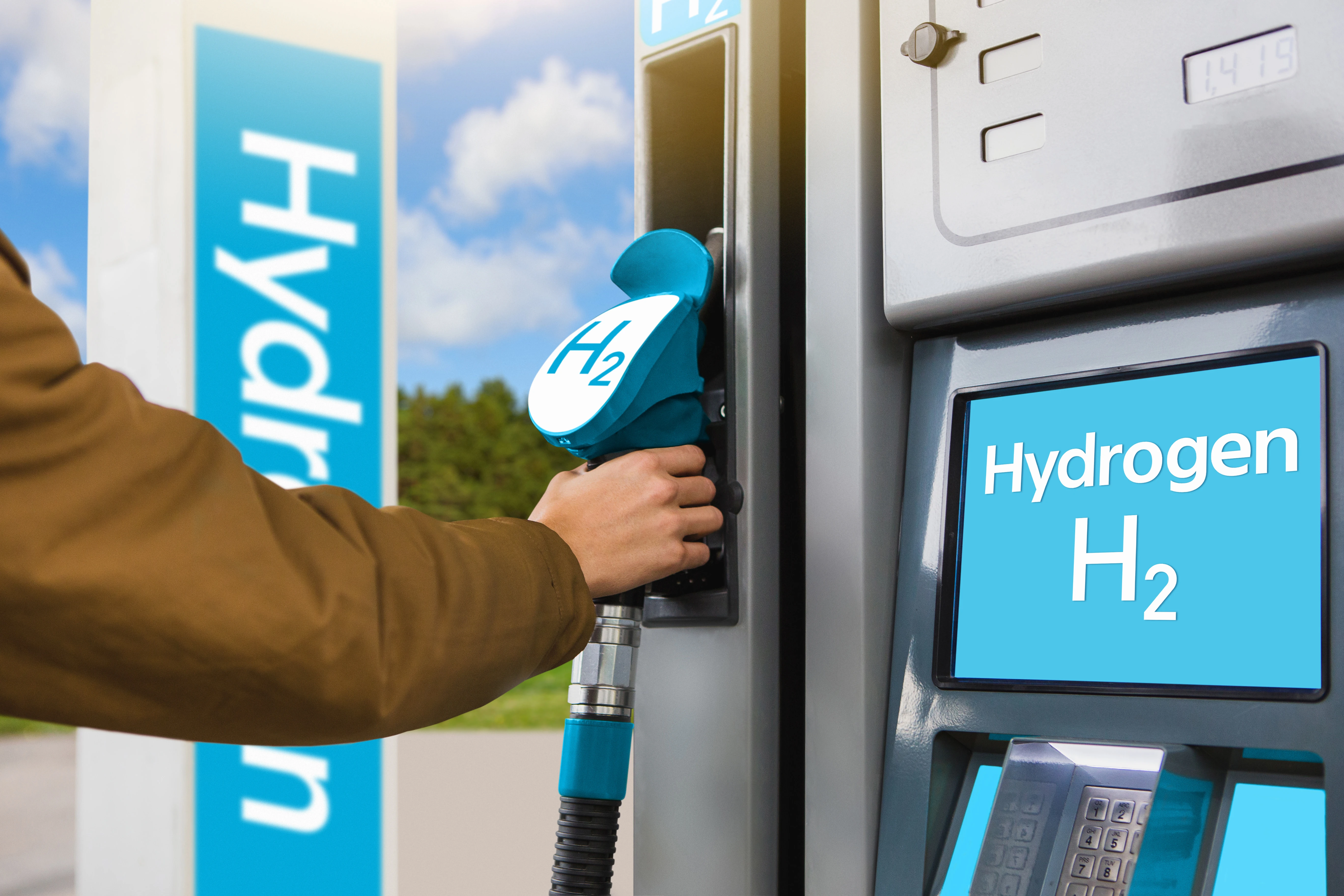
Hydrogen fuel can cut emissions across road, rail, sea and air using fuel cells or H2 combustion, but scaling needs infrastructure and viable use cases broadly.
August 25th, 2025
What is Hydrogen fuel in transport?

What is Hydrogen fuel in transport?

Hydrogen fuel is being cited as one of the leading solutions to the transport industry’s fuelling challenges, with both fuel cells and hydrogen combustion being looked to as options. There are certain industries where hydrogen makes the most sense, for example, on heavy-duty or long-range routes or on routes that are hard to electrify.

One thing is for sure, hydrogen fuel could help to reshape transport across road, rail, maritime and aviation. But the hydrogen fuel infrastructure network needs policy drivers and practical adoption paths for operators and policymakers to succeed. We take a look at some of the best-fit use cases to make this happen. 

There are a number of different energy carriers for hydrogen fuel, including compressed gas, liquid hydrogen and ammonia/e-fuels, all with different applications depending on the industry they are to be used in.

Electric drivetrains can be powered by hydrogen, combined with oxygen. The process is akin to that in an electric vehicle, but utilises a fuel cell to generate energy directly from hydrogen.

There are two main methods that hydrogen can be utilised as a fuel in heavy industries: fuel cell electric vehicles and hydrogen internal combustion. Fuel cell electric vehicles (FCEVs) generate electricity through a fuel cell using hydrogen, while hydrogen internal combustion engines burn hydrogen directly through an engine, similar to fossil fuels, but with fewer carbon emissions.

PPA Price Monitor

Explore future renewable energy prices with hedging forecasts for the value of upcoming solar and wind production.
Download report

Where does Hydrogen fit best?

Hydrogen is a low-carbon fuel source, which makes it a good candidate for energy-intensive industries as it allows them to reduce carbon emissions in line with sustainability targets without drastically reducing output. 

Long-haul trucking

The long-haul transport industry can benefit from hydrogen as a fuel source because it can replace fossil fuels with hydrogen as a drop-in solution. Hydrogen is a good solution for this sector, including coaches, as it can be used to power long-haul vehicles such as coaches over a long period. 

Non-road mobile machinery

Hydrogen battery solutions are not appropriate for all industries, and non-road mobile machinery (NRMM), which includes mining, construction and ports is an example of this. Hydrogen internal combustion engines (H2ICEs) are a more suitable hydrogen solution for these industries, which require higher levels of power in locations that don’t often have access to charging infrastructure. 

Rail on non-electrified lines

Hydrogen-powered trains utilise hydrogen batteries to power trains over long distances in areas which are remote or feature geographical challenges, which makes them a good diesel replacement. 

Maritime

The maritime industry views hydrogen fuel as a potential solution to its energy-intensive operations - this could be in the case of both deep-sea (ammonia/e-methanol) and short-sea (lh2/compressed). Power-to-Liquids is a process that transforms renewable energy into synthetic liquid hydrocarbon or fuels, such as e-fuels. It’s seen by the maritime industry as a solution for industries requiring fuelling over a long distance, such as long-haul shipping due to its JetA/JetA1 status.

Aviation

Hydrogen fuel is seen as an attractive prospect for the aviation industry, too. Potential solutions could be lh2 for short/medium range or e-fuels for long-haul. The kerosene produced has the required energy density to make low-carbon flying a possibility.

Hydropower power outlook for Europe 2025

Learn how the continent’s reliance on hydropower will be tested by regional variability and weather uncertainty, emphasising the need for agile energy management and inter-regional coordination.
Download report

How will supply and infrastructure evolve?

One restrictive element of the hydrogen fuel network currently is the availability of hydrogen fuelling infrastructure for transport. To ensure that businesses such as fleet management can truly invest in fuel diversification, businesses and individuals must have appropriate infrastructure to charge electric vehicles, both in depots and in public stations. The alternative fuels infrastructure (AFIR) includes hydrogen refuelling stations installed from 2030, with specific regard to electric vehicles running over 60km distances. 

Storage is one consideration for hydrogen fuel, with batteries currently preferred for electric vehicle applications such as fleets because of their ability to store renewable energy for long periods. 

Liquid hydrogen can be used in transportation, but is being used more sparingly due to its requirement to be kept at cryogenic temperatures. Hydrogen for fuel is usually pressurised at 350 bar, but 700 bar, though this requires more energy. 

To facilitate industries such as marine, hydrogen hubs will need to be installed near ports as well as industrial clusters and long-distance logistics corridors for road fleets. 

Policy, standards, and market signals

For hydrogen as a fuel source to be successfully rolled out, incentives and mandates that prioritise the technology need to be introduced. This could be through the strengthening of zero-emission zones, enforcement of fleet regulations, weight allowances, and safety codes. Specific procurement rules that relate to hydrogen as a fuel source could also help the industry. The introduction of guarantees of origin can help to support the hydrogen revolution, widening sustainability criteria.

Business models and how to get started with Hydrogen as transport fuel?

There are a number of business models that could help the rollout of this technology, including hydrogen-as-a-service, which involves copies providing infrastructure, production, and supply of hydrogen to energy buyers, meaning they’re not required to invest in hydrogen up-front. 

Captive fleets and depot-based pilots can help to build utilisation -  local authorities in Europe are already using hydrogen for transportation, as local authorities are utilising the power of hydrogen to run public transport fleets.  

Risks and challenges to manage

Cost, infrastructure, and policy hurdles are three of the most prominent issues with hydrogen for fuel. There is the issue of infrastructure, with a chicken-and-egg scenario in which the technology cannot be adopted until the infrastructure exists, but businesses are wary of investing in the technology until infrastructure has been secured. Our current energy grid is made up of legacy equipment and distribution technology, which could uncover coupling issues between the current grid and modern hydrogen solutions. The retrofit of the grid to encompass these hydrogen technologies would be extremely costly - for example, piped hydrogen can crack the pipeline infrastructure, causing leaks. This also affects public perception, as the general public fears the health and environmental risks associated with hydrogen pipelines.

Hydrogen as a transport fuel: what to watch through 2030–2040

Another issue with the cost of hydrogen for fuel is the fact that hydrogen as a technology can be an energy-intensive process. Often, electrolysis, methanation and storage can result in a loss of energy. Conversion can often only be effective up to about 50-75%.

In power-to-liquid technologies, the production cost of fuel outstrips that associated with regular aviation fuel. To help decrease costs, more in-depth studies and research are required into Power-to-X technologies.

Hydrogen will not replace all fuels, but for long range, hard to electrify duty cycles it can help; scale needs hubs, standards, safety and solid models to work

Get insights into the future price of green hydrogen for the German market.