





Why is risk management crucial in energy transition?
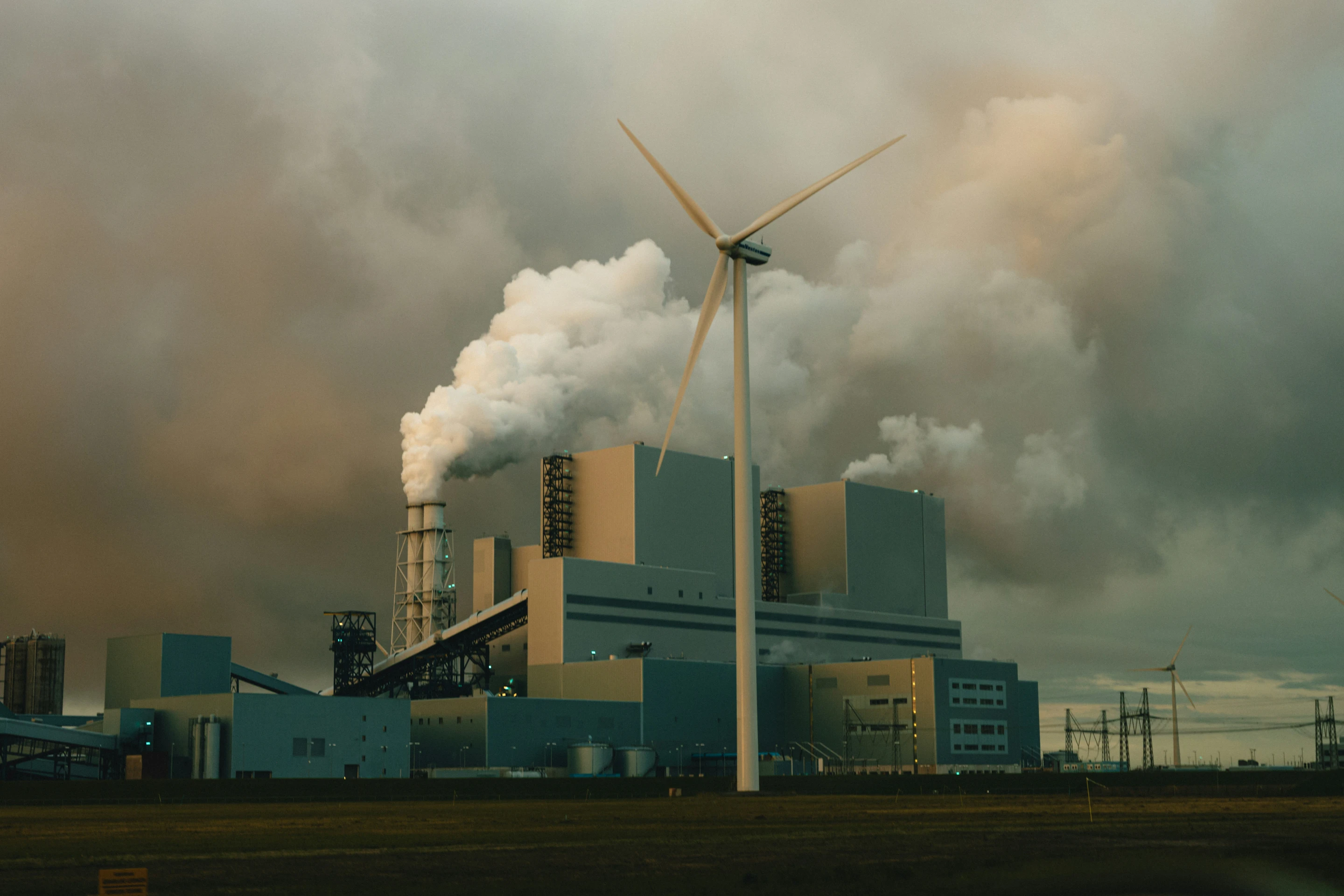
Why is risk management crucial in energy transition?
The global shift from fossil fuels to renewable energy is one of the most significant transformations in modern history. It is a high-stakes journey offering the potential for strong returns, but also carrying substantial risk. This shift, often described as a high-risk, high-reward opportunity, is shaped by global climate commitments, tightening regulations, technological innovation, and evolving market dynamics. For investors, developers, and policymakers, robust energy transition risk management is not optional, it is fundamental to long-term success.
The link between energy transition and risk management
Energy transition involves replacing carbon-intensive energy systems with sustainable alternatives such as wind, solar, hydro, and emerging technologies like green hydrogen. While the opportunities are vast, the scale of change also introduces unprecedented uncertainty.
Global climate agreements, such as the Paris Agreement, have sped up the transition by setting binding targets for emissions reduction. These policies affect the speed of technological adoption, capital flows, and operational standards. In such a quickly changing environment, effective risk management helps navigate the twin challenges of capturing growth opportunities and avoiding costly errors.
It’s a balancing act: those who invest without factoring in regulatory, environmental, and operational risks may find themselves exposed to losses, while those who plan strategically can unlock significant competitive advantages.
Key risks in the energy transition
Although renewable energy presents significant long-term potential, it is not without its challenges. The main risks include:
1. Stranded asset risk
Fossil fuel investments face increasing vulnerability as regulations tighten and demand drops. Power plants, pipelines, and reserves can rapidly lose value if they become non-compliant or uneconomical.
2. Market volatility
Renewable energy prices can vary due to changes in subsidies, supply chain disruptions, or variable generation from wind and solar sources.
3. Infrastructure vulnerability
Extreme weather events, worsened by climate change, can harm assets and interrupt supply. Renewable infrastructure such as offshore wind farms and solar plants must be built to withstand these conditions.
4. Policy and regulatory uncertainty
Shifts in government leadership, political priorities, or carbon pricing frameworks can alter the investment landscape suddenly.
Recognising these risks early allows stakeholders to implement strategies that protect investments and ensure steady returns.
Risk management strategies for energy transition
Managing risk in the energy transition requires a multifaceted approach that blends operational, financial, and technological measures.
Geographical and portfolio diversification
Spreading investments across multiple regions and technologies reduces dependence on a single market or asset type. For example, combining onshore wind, offshore wind, and solar assets can help stabilise returns.
Investment in resilient, adaptable infrastructure
Developing assets that can withstand extreme weather conditions and designing modular systems that can be upgraded as technology progresses ensures long-term viability.
Advanced climate and weather forecasting
Utilising sophisticated modelling tools aids in predicting extreme weather patterns, optimising generation schedules, and minimising downtime.
Financial instruments and hedging strategies:
Contracts such as power purchase agreements (PPAs) and derivatives can help secure predictable revenue streams and safeguard against price fluctuations.
These strategies are not just defensive; they can enhance profitability by reducing downtime, improving efficiency, and securing stable revenue.
The role of technology in mitigating risks
Technological innovation is a critical ally in managing renewable energy risks.
Smart grids and digital monitoring
Smart grids and digital monitoring systems optimise energy distribution, detect faults in real time, and enhance response times during outages. They can also better integrate diverse energy sources, ensuring a reliable supply even in variable conditions.
Battery storage solutions
Large-scale energy storage balances supply fluctuations, making renewable energy more dependable and commercially appealing. By providing backup during periods of low generation, storage helps stabilise both operations and revenues.
Predictive analytics
By analysing data from sensors, weather models, and market signals, predictive tools can forecast maintenance requirements, minimise operational failures, and prolong asset lifespans. These insights aid better investment decisions, enabling operators to allocate resources where they will be most effective.
When used in combination, these technologies build a layered defence against operational and market risks, enhancing efficiency and bolstering the business case for renewable energy projects.
Why should investors prioritise resilience in energy transition?
In a time of climate uncertainty, resilience is more than just a buzzword; it is a crucial investment criterion. Resilient projects are better equipped to withstand regulatory changes, market shocks, and environmental challenges.
Aligning with environmental, social, and governance (ESG) standards and net-zero targets has become a strong motivator for investment, drawing more capital and boosting corporate reputation. Companies that can show measurable sustainability commitments not only build stakeholder trust but also position themselves as leaders in the global energy shift. Significantly, balancing profit with sustainability is a successful approach, as it reduces exposure to stranded assets, avoids regulatory fines, and offers more stable long-term returns. Meanwhile, demand for clean energy is growing quickly, giving investors the opportunity to secure early positions in high-growth markets and gain lasting competitive advantages. For forward-thinking organisations, resilience is not an expense to justify - it is a strategic asset that supports both profitability and long-term relevance in a fast-changing energy landscape.
Risk management is vital for balancing opportunity and uncertainty in the energy transition. Fossil fuel assets face increasing stranded asset risks, while renewable energy projects require resilient infrastructure, advanced forecasting, and strong policy alignment. Diversification, technological innovation, and proactive planning can help reduce volatility and achieve long-term success.
As the energy sector develops, those who adopt comprehensive risk strategies in their decision-making will not only safeguard their portfolios but also lead the way in creating a sustainable, net-zero future.
If your organisation is ready to navigate the energy transition with confidence, now is the time to develop a robust risk management plan that positions you for sustainable growth.