





Back to Resources
Power market
Explore the evolving energy market with expert analysis, data-driven insights, and forecasts to help you navigate trends, pricing shifts, and strategic opportunities.

Last article
October 20, 2026
Power trading portfolio optimisation explained: from positions to strategy
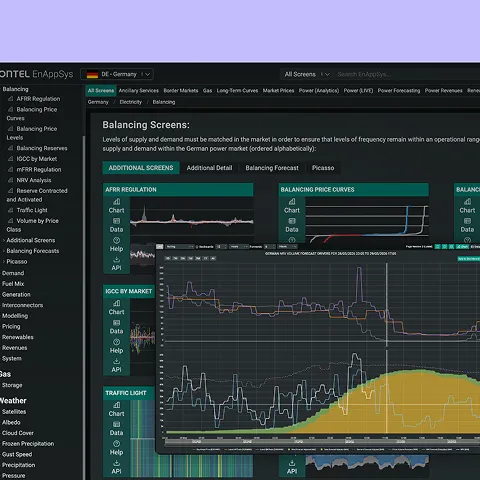
Power trading portfolio optimisation is central to modern electricity trading strategies. Traders no longer focus on isolated positions in one market or timeframe. Instead, they continuously balance spot exposure, intraday opportunities, forward hedges, ancillary participation, and cross-commodity relationships within a single, integrated portfolio.
9
min read
Read more
Latest articles
Explore the energy market with expert analysis, insights, and forecasts to navigate trends and opportunities.
October 20, 2026
Power trading portfolio optimisation explained: from positions to strategy
Power trading portfolio optimisation is central to modern electricity trading strategies. Traders no longer focus on isolated positions in one market or timeframe. Instead, they continuously balance spot exposure, intraday opportunities, forward hedges, ancillary participation, and cross-commodity relationships within a single, integrated portfolio.
9
min read
Read more
October 19, 2026
What are grid connection queues, and why are they delaying the energy transition?
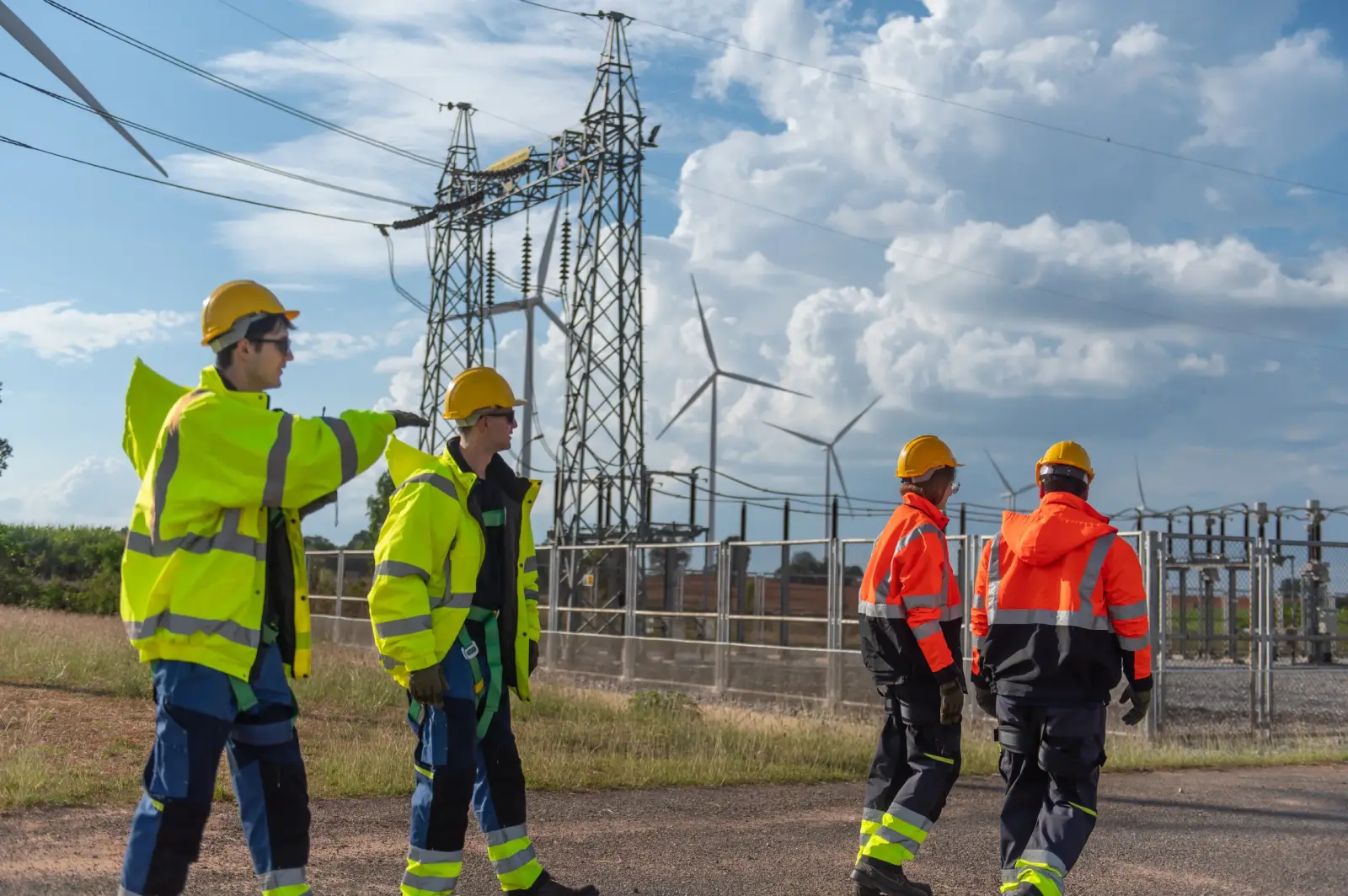
A grid connection queue is the list of projects waiting for permission to plug into the network, and the date it gives each one decides when it can start earning. For most of the past decade, generation cost was the binding constraint on the energy transition, now it's the network itself, and the queue is where that mismatch shows up.
8
min read
Read more
October 18, 2026
How to read a power forward curve and what it signals about future prices
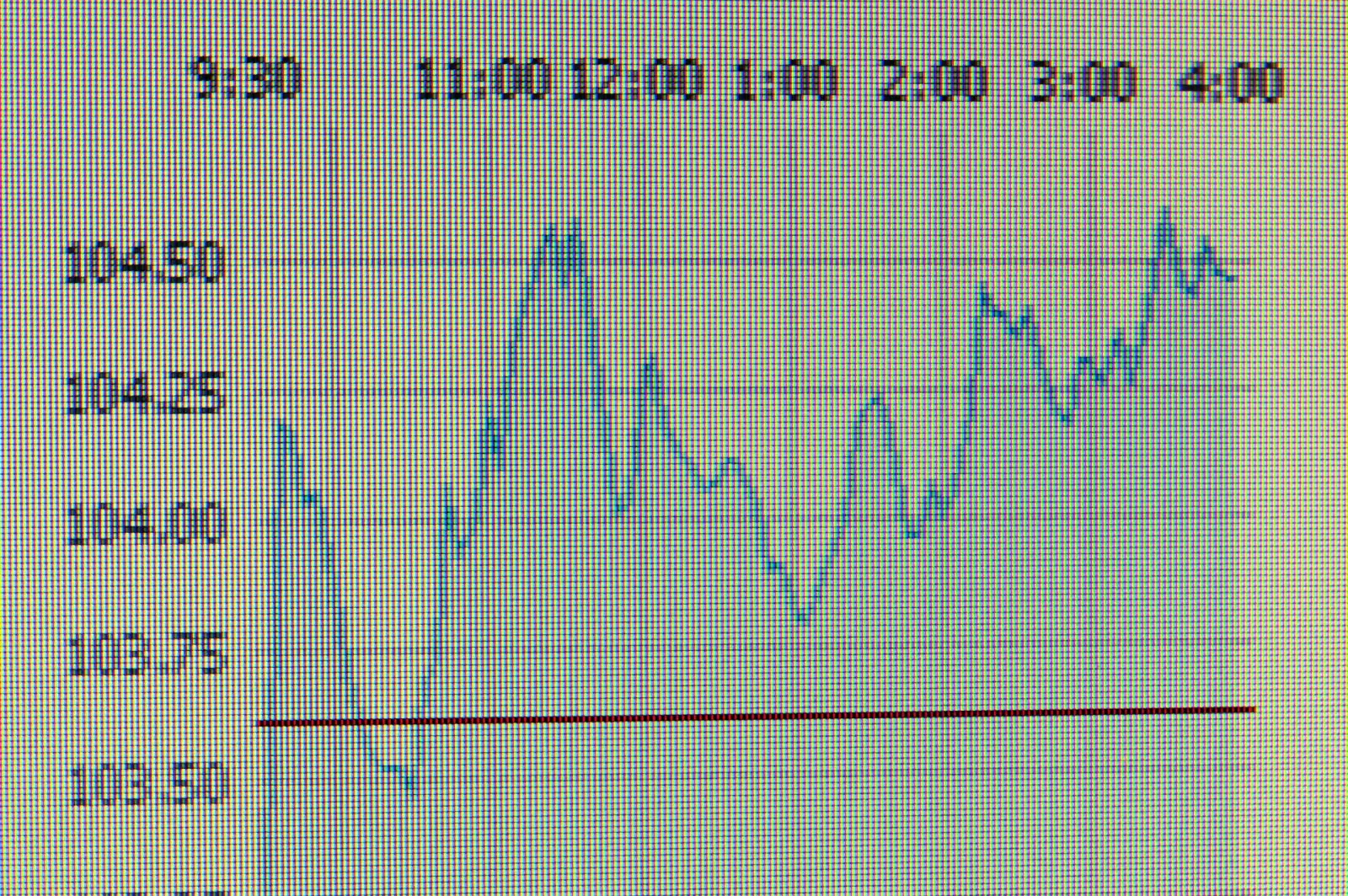
A power forward curve reflects the market's present expectations of supply, demand and fuel costs for future delivery, plus the risk premium participants need to lock in a price now, rather than a forecast of where spot will land. Here's how to read its shape, from contango and backwardation to seasonal patterns, and what each says about the drivers behind it.
7
min read
Read more

August 27, 2026
What are capacity markets? How countries pay to keep the lights on
A capacity market pays power stations, batteries and consumers for being available, not for the energy they actually produce. Countries run them because wholesale prices alone rarely fund the plant needed for the few hours a year when the system is genuinely tight, and those are exactly the hours where losing supply hurts most.
8
min read
Read more

August 27, 2026
What are negative power prices? Why they happen and who benefits
A negative power price means the generator pays to feed the grid, and the consumer gets paid to use it, not a glitch, but the system doing exactly what it's supposed to. What used to be a rare Nordic night event now shows up on sunny spring afternoons across Europe, and it's happening more often every year.
6
min read
Read more
August 27, 2026
What open, high, low and close actually tell you in spot power price data
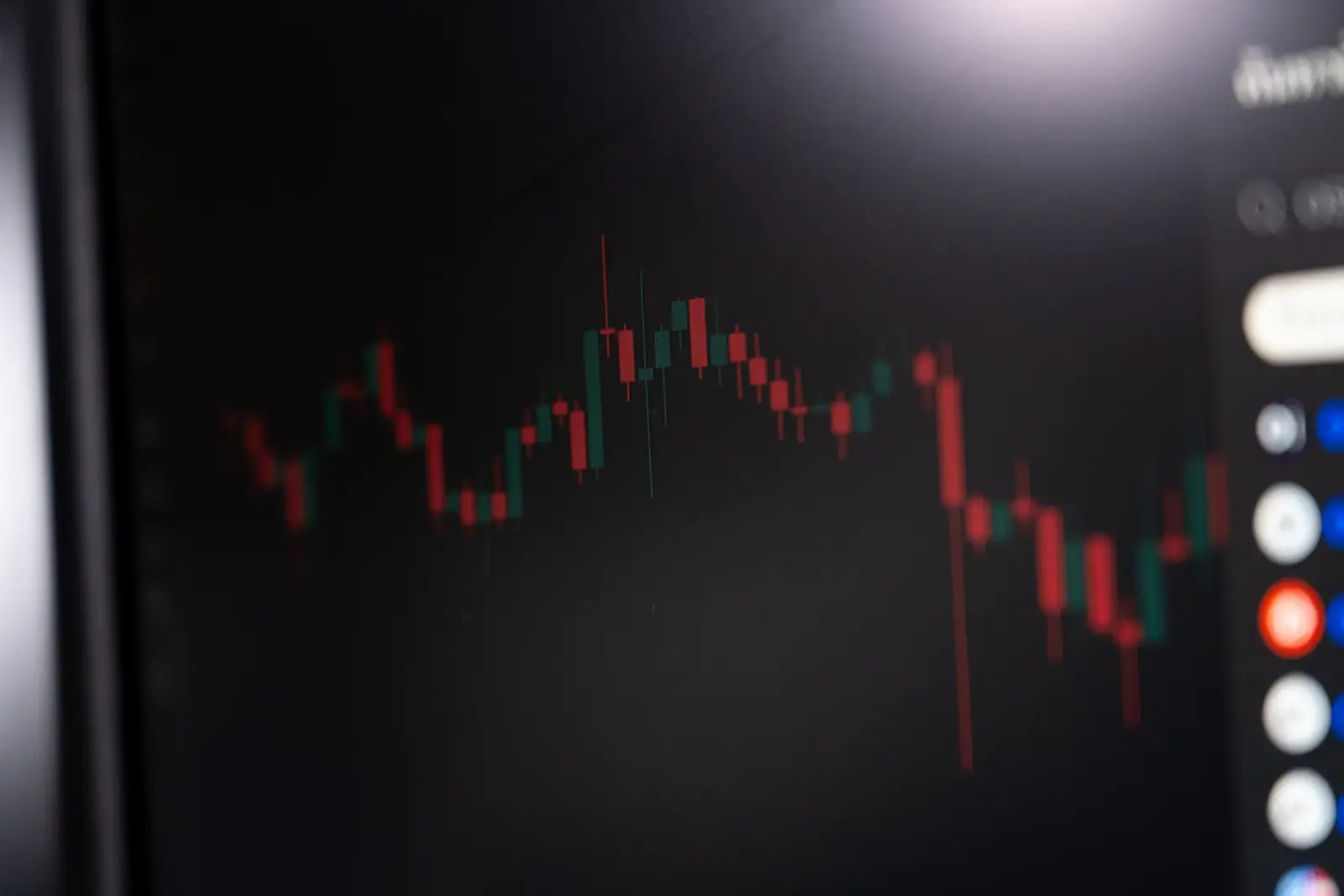
Open, high, low and close figures mean something different in power markets than in equities or FX, since what they represent depends on how a delivery period's price was set, by auction or continuous trading. Here's why reading a power candlestick chart without that context can mislead, and what the high-low range can and cannot tell you.
6
min read
Read more
August 27, 2026
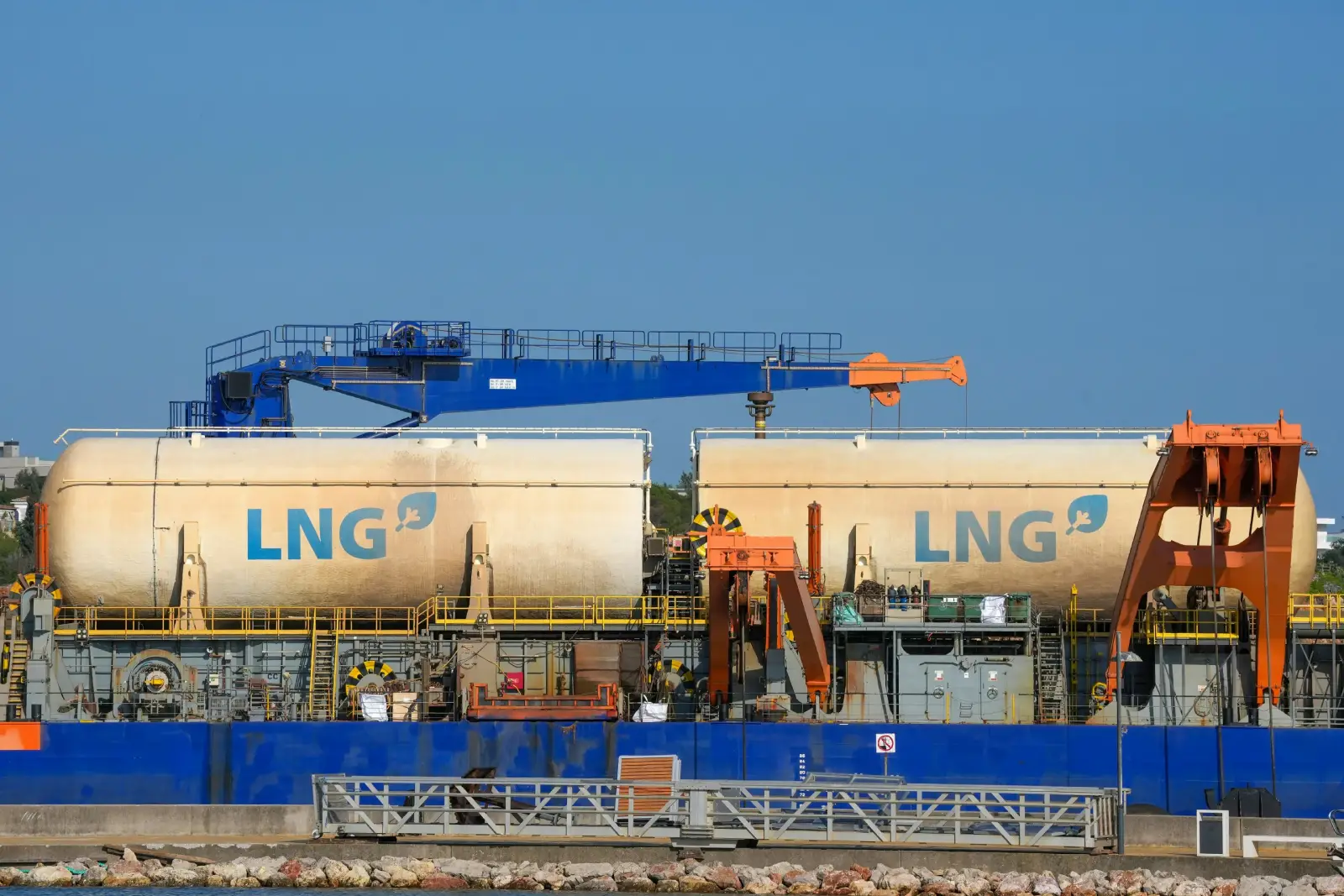
Reading LNG cargo pricing against pipeline gas benchmarks like TTF and NBP
TTF and NBP price pipeline-quality gas already delivered into the grid, while an LNG cargo price is built on a different basis entirely, so the two figures are not directly comparable without adjustment. Here's how adding or stripping out freight and shipping costs, in either direction, turns an LNG cargo price and a hub price into something a trader can actually compare.
6
min read
Read more

August 25, 2026
Co-located wind, solar and storage: how hybrid assets capture more value
Co-locating solar, wind and battery storage behind a single connection creates a more profitable hybrid asset than any one alone. We explain how combining generation and storage boosts revenue and trading optionality, alongside the risks developers and traders should weigh.
4
min read
Read more
August 18, 2026
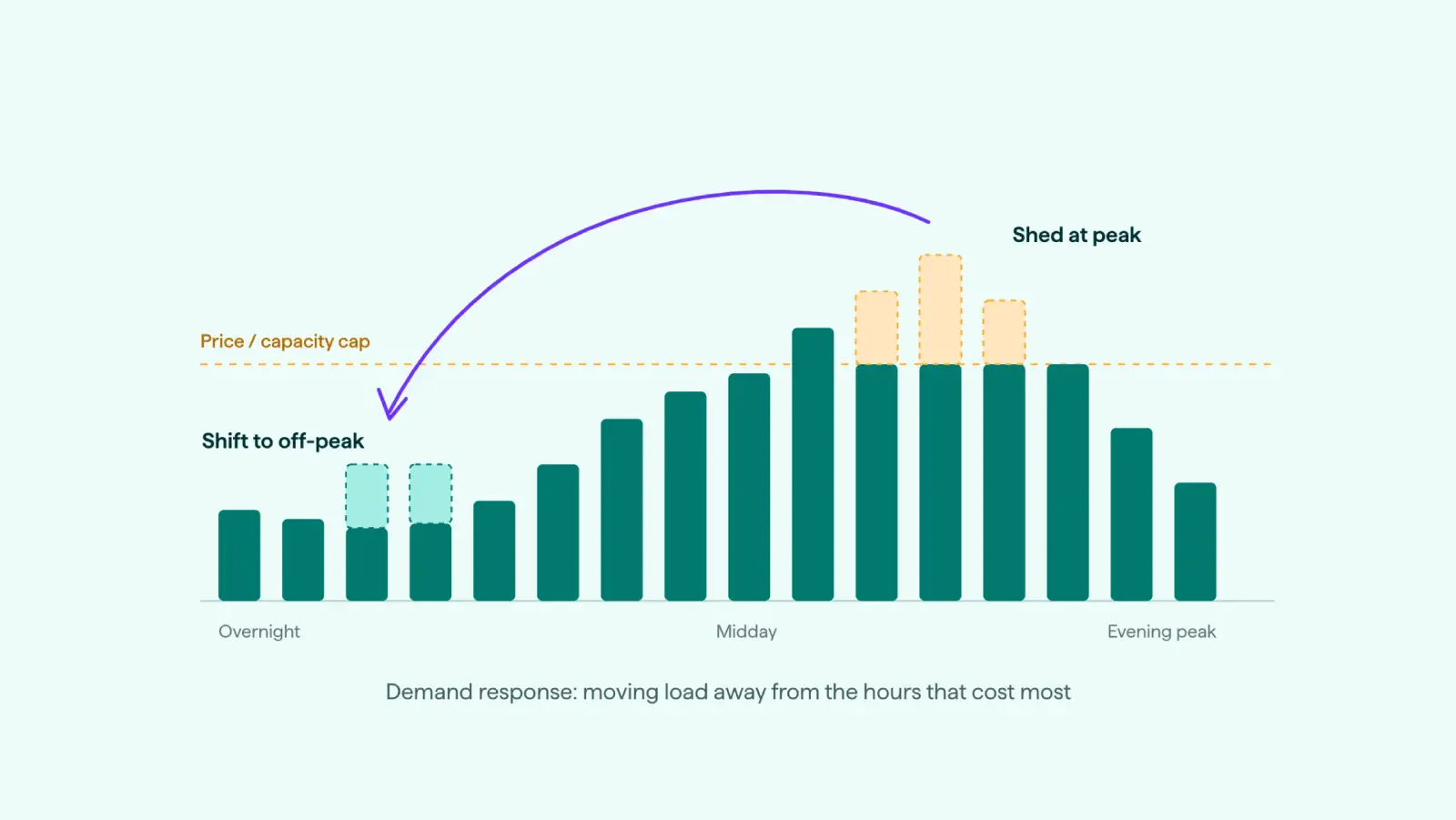
Demand response as a trading asset: turning load into flexibility
When it comes to renewable energy, flexibility is not a quality usually associated with this type of energy source. This all changes with flexible solutions such as VPPs, which harness the joint power of multiple renewable energy assets, or demand response, which can transform energy consumption from an expected cost into an asset that generates revenue. Consumers and businesses can adjust their energy consumption to help stabilise the grid by shedding or turning consumption on during low-price periods. This can help to move us closer to decarbonisation. We take a ‘look ' at how consumption can be used as a flexible trading asset, showing energy managers and traders the importance of value creation, as well as highlighting the risks involved.
4
min read
Read more
Insights. Strategy.
Thought leadership that drives results.
In-depth analyses and expert insights from industry veterans shaping the conversation.

André Bosschaart
Battery storage

Priyanka Shinde
Nordic analytics

Felix Lohmeyer
Price forward curves

Fintan Devenney
GB and Irish power

Josephine Steppat
PPAs and scenarios

Ben Wrigley
Benelux power curve

Liubov Koroleva
Nordic power

Marc Hasenbeck
Risk and valuation