





Back to Resources
Energy Prices
Explore the evolving energy market with expert analysis, data-driven insights, and forecasts to help you navigate trends, pricing shifts, and strategic opportunities.

Last article
October 20, 2026
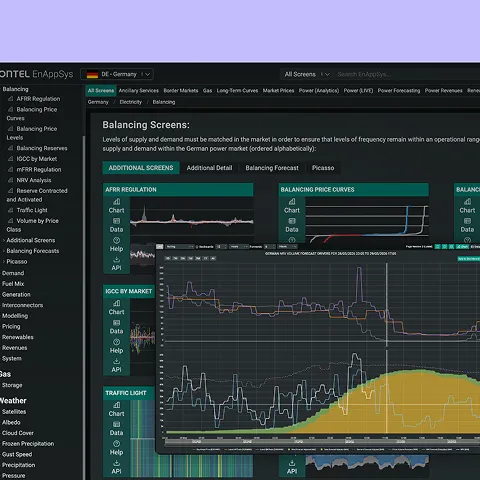
Power trading portfolio optimisation explained: from positions to strategy
Power trading portfolio optimisation is central to modern electricity trading strategies. Traders no longer focus on isolated positions in one market or timeframe. Instead, they continuously balance spot exposure, intraday opportunities, forward hedges, ancillary participation, and cross-commodity relationships within a single, integrated portfolio.
9
min read
Read more
Latest articles
Explore the energy market with expert analysis, insights, and forecasts to navigate trends and opportunities.
October 20, 2026
Power trading portfolio optimisation explained: from positions to strategy
Power trading portfolio optimisation is central to modern electricity trading strategies. Traders no longer focus on isolated positions in one market or timeframe. Instead, they continuously balance spot exposure, intraday opportunities, forward hedges, ancillary participation, and cross-commodity relationships within a single, integrated portfolio.
9
min read
Read more
October 19, 2026
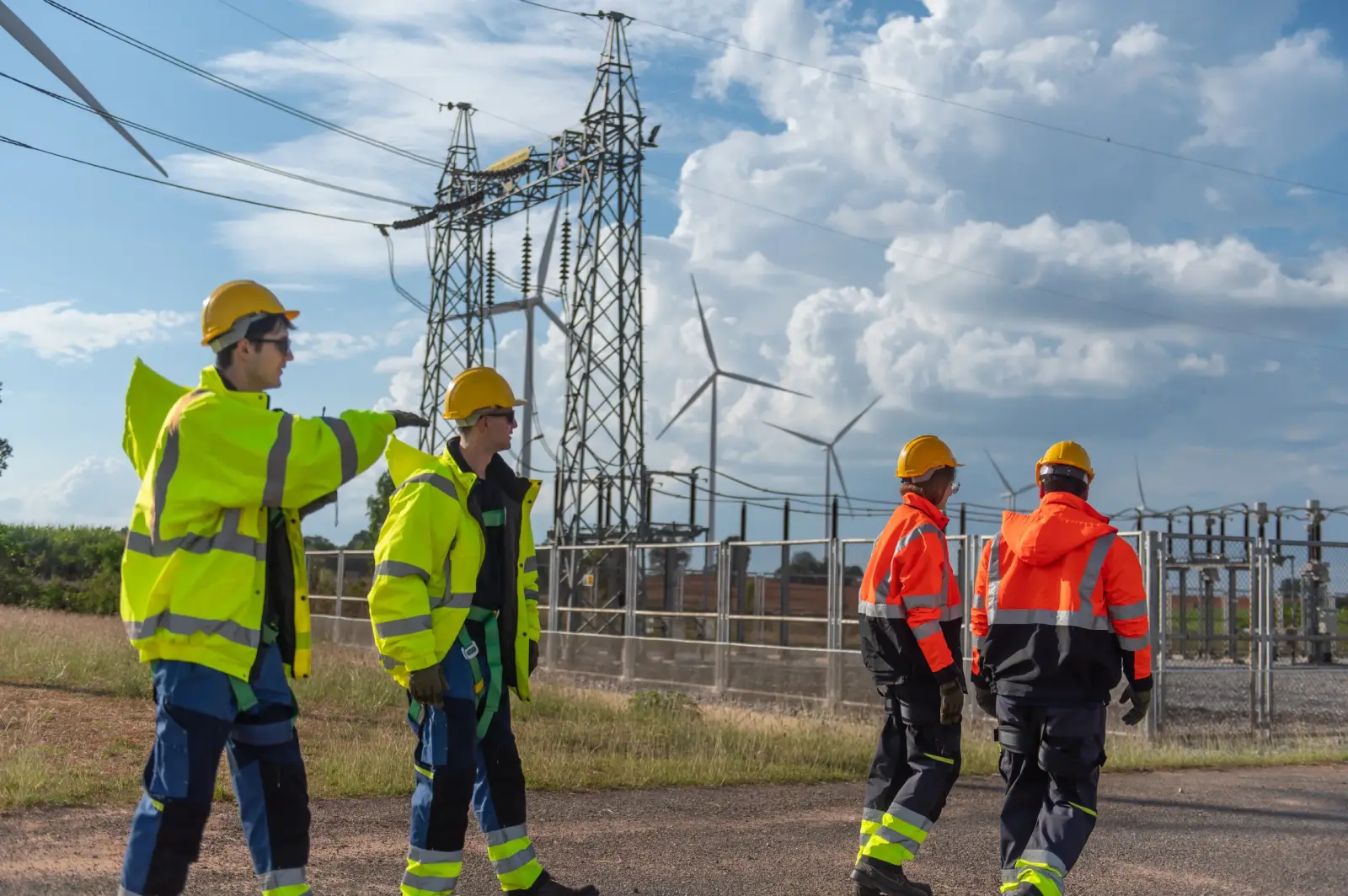
What are grid connection queues, and why are they delaying the energy transition?
A grid connection queue is the list of projects waiting for permission to plug into the network, and the date it gives each one decides when it can start earning. For most of the past decade, generation cost was the binding constraint on the energy transition, now it's the network itself, and the queue is where that mismatch shows up.
8
min read
Read more
October 18, 2026
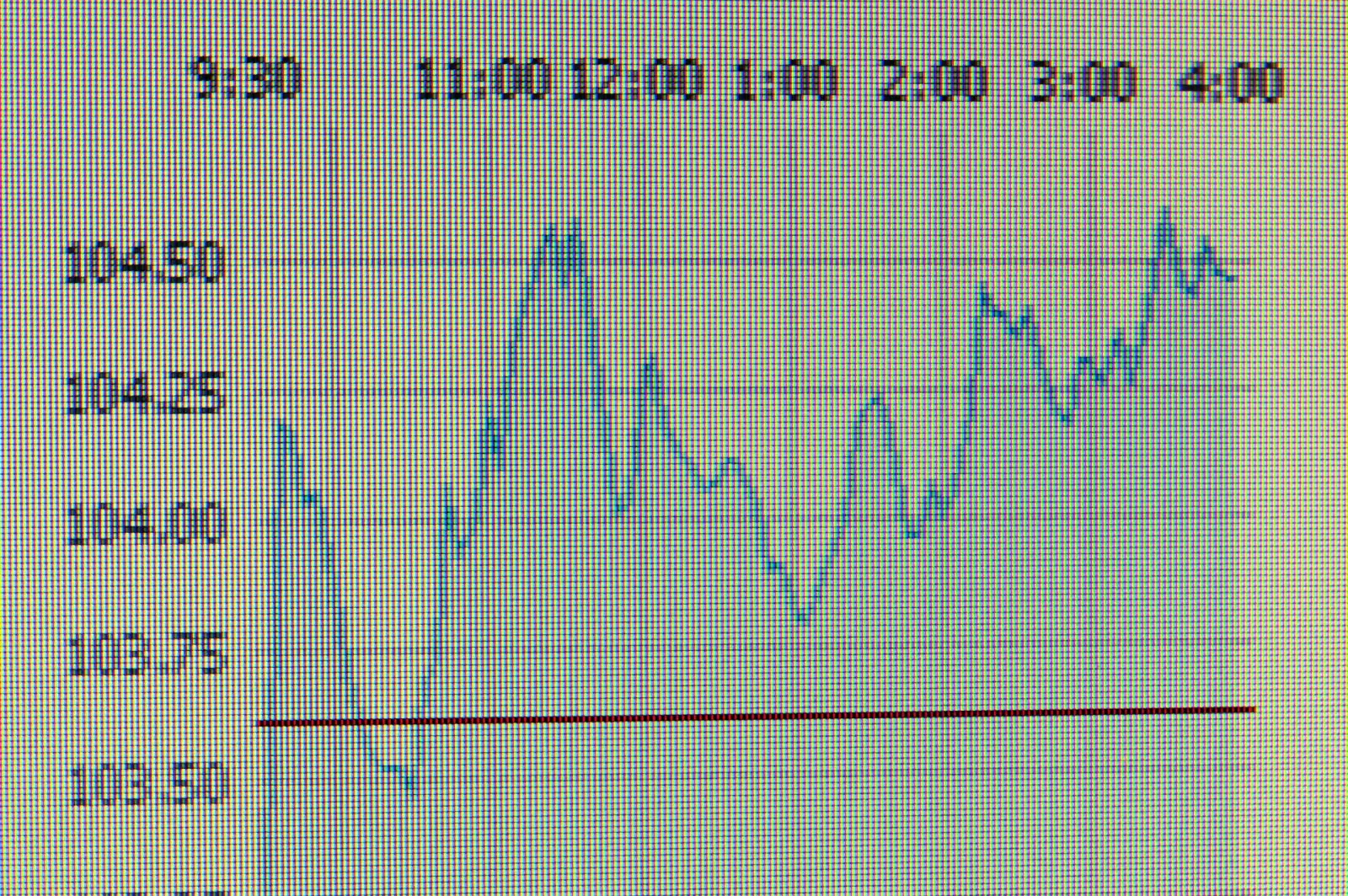
How to read a power forward curve and what it signals about future prices
A power forward curve reflects the market's present expectations of supply, demand and fuel costs for future delivery, plus the risk premium participants need to lock in a price now, rather than a forecast of where spot will land. Here's how to read its shape, from contango and backwardation to seasonal patterns, and what each says about the drivers behind it.
7
min read
Read more

August 27, 2026
Why IDA1 volumes are falling since the 15-minute auction switch
Traded volumes in IDA1, the first pan-European intraday auction, have fallen since day-ahead trading moved to 15-minute units in October 2025, even though continuous intraday trading has stayed broadly stable. Here's why day-ahead pricing absorbing more of that short-term repricing looks like the likely explanation, not a genuine drop in intraday activity.
7
min read
Read more

August 27, 2026
What is energy security? How geopolitical risk reshapes power and gas prices
Energy security gets treated as a policy goal, but for traders it's a price signal. Markets price the probability of a supply disruption before it happens, and often price it even when nothing happens at all, that risk premium moves with headlines, not with physical events.
7
min read
Read more
August 27, 2026
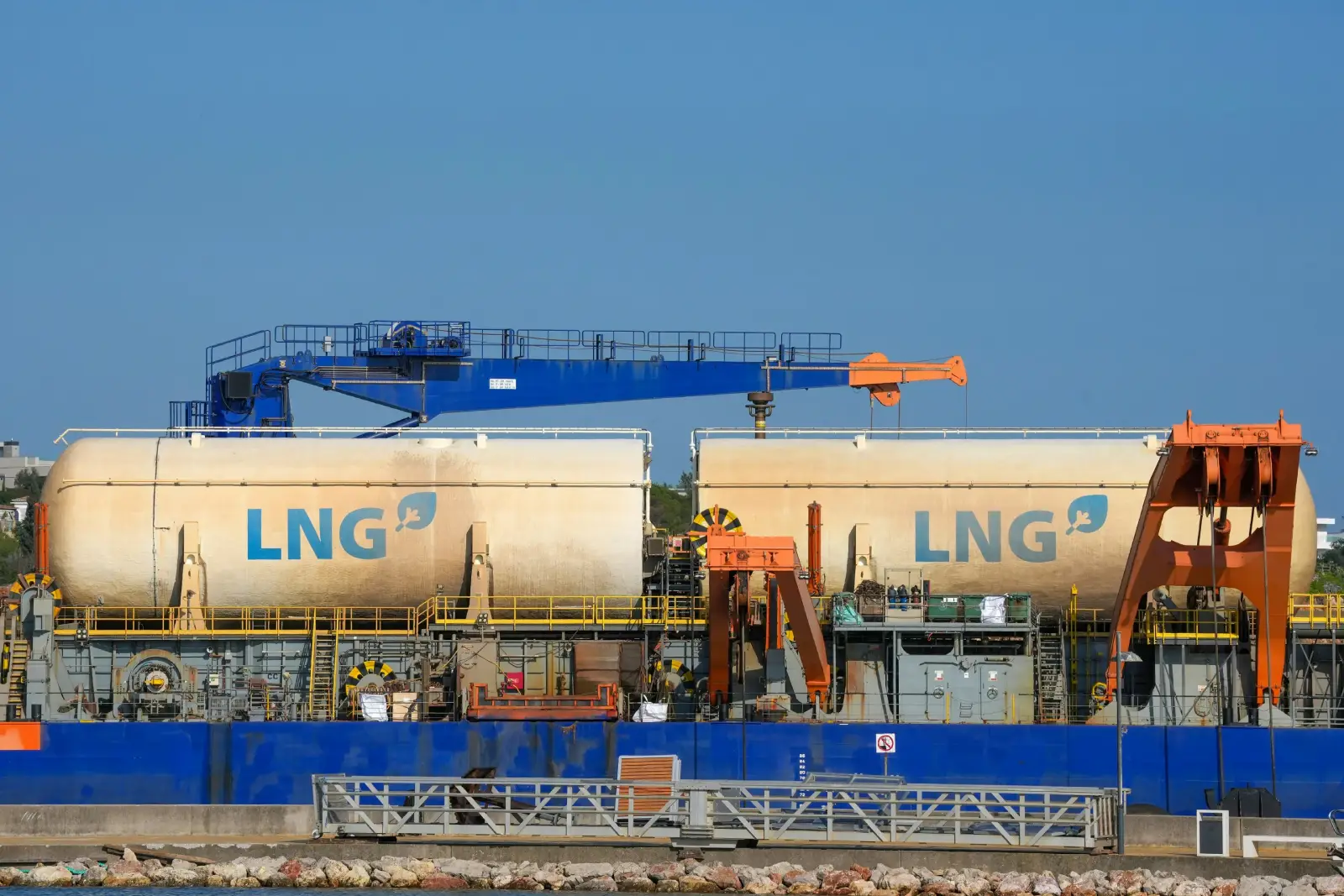
Reading LNG cargo pricing against pipeline gas benchmarks like TTF and NBP
TTF and NBP price pipeline-quality gas already delivered into the grid, while an LNG cargo price is built on a different basis entirely, so the two figures are not directly comparable without adjustment. Here's how adding or stripping out freight and shipping costs, in either direction, turns an LNG cargo price and a hub price into something a trader can actually compare.
6
min read
Read more
August 27, 2026
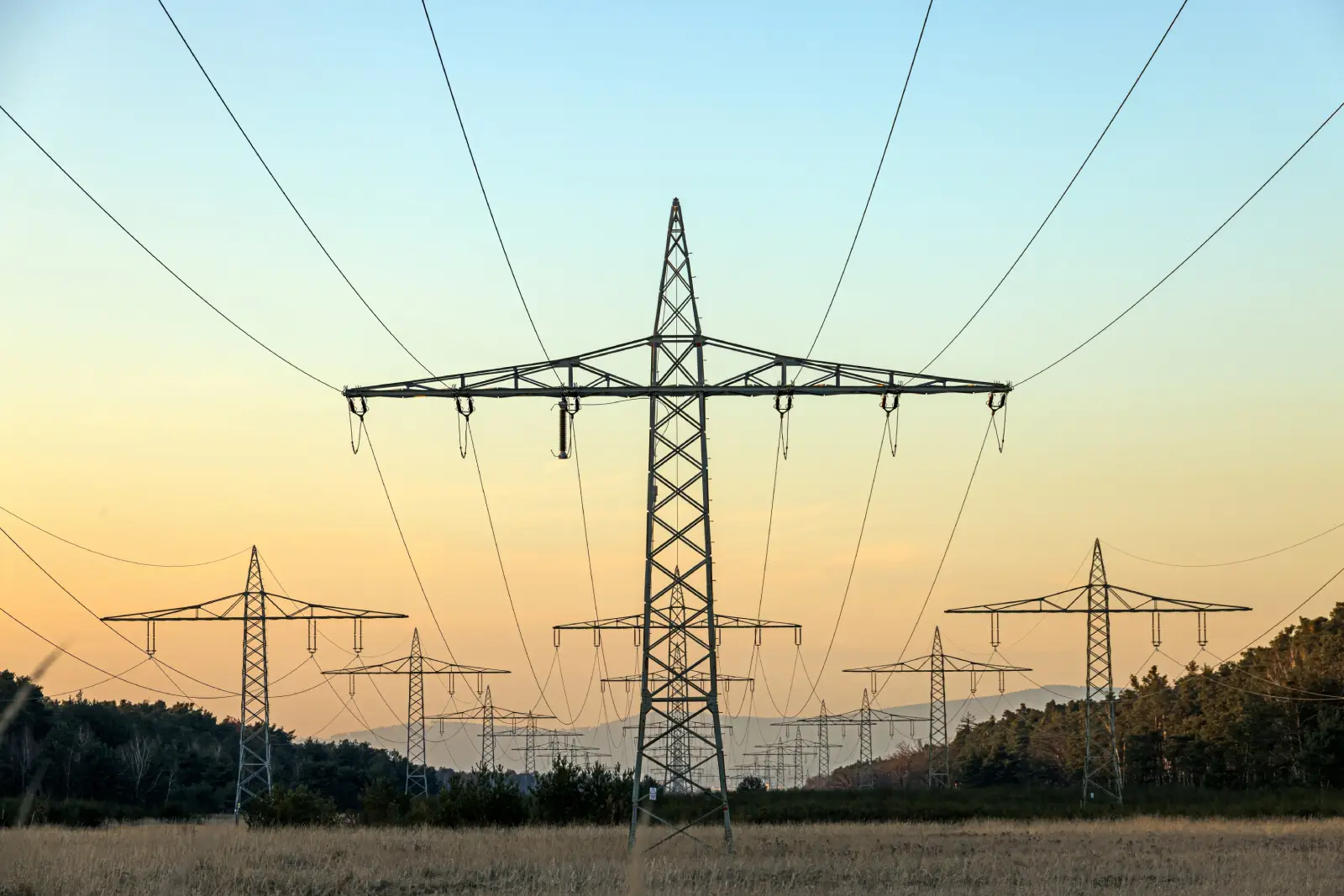
How to build a merit order using live fuel and carbon price inputs
A merit order ranks power plants by short-run marginal cost to estimate which one sets the price, but it only stays accurate if fuel, carbon and plant-efficiency inputs are refreshed live rather than left from last week. Here's how to build one from five core inputs, and why the ranking between gas and coal can flip as those prices move within a single trading day.
7
min read
Read more
August 27, 2026
How Germany's one-hour negative price rule is reshaping EEG plant bidding strategy
Germany's EEG negative-price rule is tightening from a four-hour to a one-hour threshold, meaning subsidised plants lose their market premium far more easily than before. Here's why that turns a largely guaranteed subsidy into a revenue stream that depends on active bidding, accurate forecasting and, increasingly, co-located battery storage.
8
min read
Read more
August 27, 2026
Clean spark spread versus clean dark spread: worked examples for reading generation margins
Clean spark and clean dark spreads show a gas or coal plant's theoretical margin per MWh after fuel and carbon costs, and coal's higher emissions factor means it absorbs a carbon price far harder than gas. Here's a worked example, at the same power and carbon price, that shows how a rising carbon cost can flip which technology looks more competitive to run.
7
min read
Read more
Insights. Strategy.
Thought leadership that drives results.
In-depth analyses and expert insights from industry veterans shaping the conversation.

André Bosschaart
Battery storage

Priyanka Shinde
Nordic analytics

Felix Lohmeyer
Price forward curves

Fintan Devenney
GB and Irish power

Josephine Steppat
PPAs and scenarios

Ben Wrigley
Benelux power curve

Liubov Koroleva
Nordic power

Marc Hasenbeck
Risk and valuation