




E-book
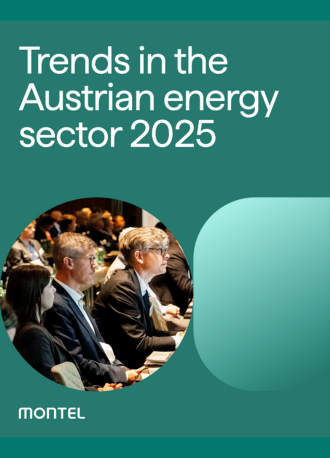
Trends in the Austrian energy sector 2025
Trends in the Austrian energy sector 2025
Austria’s gas transition. Negative power prices. Market volatility. What’s next?
Download E-book
This e-book brings together expert insight from Austrian Energy Day 2025, offering a clear view of how climate policy, infrastructure, and weather extremes are reshaping Austria’s energy sector.
Download your free copy to stay informed.
What’s inside?
Austria’s energy system is in flux from gas market reconfiguration to the financial stress caused by surging negative prices. This report helps you understand the structural and environmental forces driving volatility and change.
You’ll learn:
- Why gas infrastructure is being reworked for hydrogen
- What’s driving Austria’s negative electricity prices
- How weather extremes are disrupting short-term trading
- What to expect in European power markets this winter
Who should read this?
This e-book is for:
- Energy traders and analysts navigating volatility and price risk
- Infrastructure planners and policymakers working on hydrogen or storage projects
- Utilities and generators dealing with price cannibalisation and market design changes
- Investors and asset managers tracking winter risk and long-term strategy
Download your copy
Get expert insight into Austria’s energy transformation.

Energy prices
Negative electricity prices in Europe
As negative power prices rise in Europe, Montel’s Josephine Steppat explores the causes and market response.