





E-book
Negative electricity prices in Europe
Negative electricity prices in Europe
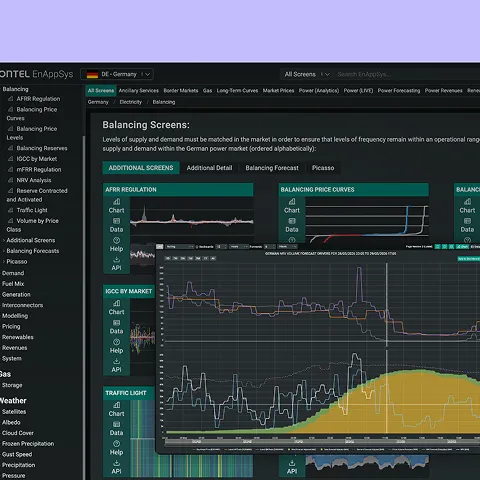
As negative power prices rise in Europe, Montel’s Josephine Steppat explores the causes and market response.

Download E-book
What are negative prices?
Negative electricity prices happen when supply outstrips demand. In simple terms, producers are willing to pay to stay online. It sounds strange but in power markets with lots of solar or wind, it’s becoming more common.
In this short guide, you’ll learn what’s behind the rise in negative prices and what it means for renewable energy, trading strategies and market design.
Who does it impact?
Negative prices affect everyone involved in the power value chain:
- Renewable producers risk losing subsidies or revenue when prices fall below zero.
- Utilities and traders must rethink how they buy and sell electricity.
- Battery operators and flexible users can profit by absorbing excess power when prices drop.
FAQ

Energy prices
Trends in the Austrian energy sector 2025
Austria’s gas transition. Negative power prices. Market volatility. What’s next?