





How do supply chain disruptions affect energy prices?

In an increasingly interconnected world, the ripple effects of supply chain disruptions are felt across industries—but perhaps nowhere more critically than in the energy sector. From delayed deliveries of raw materials to geopolitical conflicts that cut off entire regions from supply, disruptions can cause dramatic fluctuations in energy prices. Understanding this relationship is crucial for procurement professionals, sustainability leaders, and policymakers aiming to navigate a volatile energy landscape.
What causes supply chain disruptions in the energy sector?
Supply chain disruptions are not new, but their complexity and impact have grown with globalisation. Several key factors can destabilise energy supply chains:
1. Geopolitical tensions and conflicts
Wars and diplomatic disputes, like the Russia-Ukraine conflict, can restrict access to key energy exports such as natural gas and crude oil.
2. Natural disasters and climate events
Hurricanes, floods, and wildfires can damage infrastructure like pipelines and refineries, disrupting production and transportation.
3. Labour shortages and transportation delays
Strikes, pandemics, or workforce shortages can slow down critical logistics, from fuel shipping to power grid maintenance.
4. Cyberattacks and infrastructure failure
As energy infrastructure becomes more digitised, it becomes more vulnerable to cyber threats that can paralyse operations.
Each of these factors contributes to a fragile supply-demand balance, pushing energy prices higher when disruptions occur.
How do disruptions translate to energy price volatility?
Supply chain disruptions can affect energy prices through several interlinked mechanisms:
1. Reduced supply and increased demand
When supply is restricted—whether due to war, weather, or transport delays—prices rise due to scarcity.
2. Higher transportation costs
Delays in shipping or the need to reroute fuel can increase logistics costs, which are passed down to consumers.
3. Reduced production capacity
Disruptions at oil rigs, gas plants, or solar panel manufacturing sites reduce output, tightening the market.
4. Increased uncertainty and speculation
Market speculation during uncertain times can amplify price volatility, as traders anticipate shortages or policy changes.
These factors don’t just impact fossil fuels; renewable energy is also vulnerable. For example, delays in the global shipping of wind turbine components or solar panels can stall clean energy projects, reducing overall energy supply and putting upward pressure on prices.
Examples of disruptions driving energy prices
Several major global events in recent years have illustrated how deeply supply chain issues can influence energy markets:
1. Russia-Ukraine war
This conflict severely disrupted natural gas supplies to Europe. Countries dependent on Russian gas faced soaring prices, prompting emergency purchases and energy rationing.
2. COVID-19 pandemic
Global lockdowns shuttered production facilities and crippled logistics networks. As demand rebounded, supply struggled to keep pace, causing significant spikes in oil and gas prices.
3. Suez canal blockage
A week-long blockage in this vital shipping route delayed fuel and equipment deliveries, showing how a single chokepoint can disrupt global energy flows.
4. OPEC+ production cuts
Decisions by oil-exporting countries to cut or increase output affect global supply, which can amplify the price impact of any concurrent disruption.
These events underscore the fragile nature of global energy supply chains and their exposure to external shocks.
Regional differences impacting supply chain disruptions
Not all countries experience supply chain disruptions equally. Several factors determine how hard an energy market is hit:
- Europe: Highly dependent on energy imports, especially natural gas from Russia. Supply disruptions tend to result in immediate and sharp price increases.
- United States: Greater domestic production of oil and gas provides some insulation, but regional logistics issues—such as hurricanes in the Gulf—can still cause spikes.
- Developing Nations: Often face the dual challenge of weak infrastructure and limited buying power, making them especially vulnerable to global price shifts.
- Asia: Countries like China and India are major energy importers and manufacturing hubs. Disruptions to their energy supply chains can have a cascading global impact.
Understanding these regional dynamics is essential for multinational businesses managing energy procurement across borders.
Strategies to mitigate supply chain risks in energy procurement
Organisations can’t control global crises, but they can prepare for them. Here are several strategies to reduce vulnerability to supply chain disruptions:
1. Diversify energy sources and suppliers
Relying on a single country or energy type increases risk. Expanding the portfolio to include renewables, LNG, or domestic sources can cushion against disruption.
2. Invest in local generation
Installing on-site solar panels or microgrids can reduce dependency on external supply chains.
3. Use long-term contracts and hedging tools
Power Purchase Agreements (PPAs) and energy price hedging can stabilise costs and reduce exposure to market spikes.
4. Monitor markets in real time
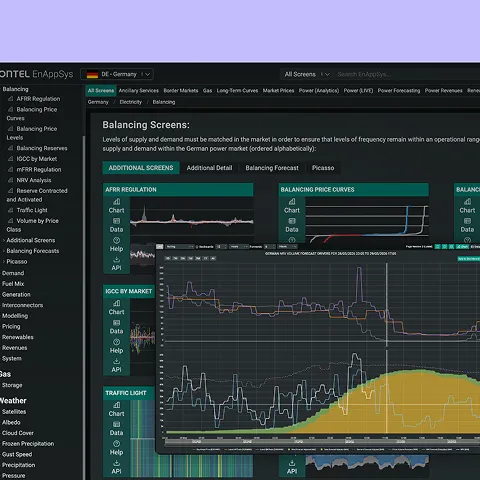
Advanced analytics and energy intelligence platforms allow procurement teams to react quickly to emerging threats and price movements.
5. Build supplier resilience
Choose partners with transparent, diversified, and robust supply chains that are better prepared for disruption.
These strategies not only mitigate risk but also align with long-term sustainability and ESG goals.
Supply chain disruptions are no longer rare anomalies—they’re part of a new reality in global energy markets. From wars and pandemics to natural disasters and cyberattacks, the sources of disruption are diverse and growing. But by understanding how these disruptions influence energy prices and implementing proactive procurement strategies, businesses can protect themselves from volatility and maintain operational resilience.