





EU carbon rules: best zones for low-carbon hydrogen production
As countries across Europe look to decarbonise more than just power generation, Carbon Analyst at Montel Analytics, Konstantin Pelz explores which grids make it easy to manufacture green hydrogen. With hydrogen expected to become more widely used as an energy carrier, this analysis helps explain where production is likely to be high.
Green hydrogen production: exploring grid and nuclear pathways
The transition to clean energy is reshaping how we produce and think about fuel. Hydrogen has emerged as a promising alternative, but proving its environmental credentials isn't straightforward. The European Union's Renewable Fuels of Non-Biological Origin (RFNBO) regulation introduces a comprehensive framework to classify and certify green hydrogen, adding layers of complexity to hydrogen production. By establishing stringent criteria, RFNBO aims to create a clear definition of truly sustainable hydrogen production. Within this there are two clear pathways: the 'green grid' and the 'nuclear route'.
The green grid: renewable energy's potential
The green grid pathway offers a potential shortcut through the maze of sustainability requirements. The rule is clear but precise: if at least 90% of electricity generated in a bidding zone during the previous year comes from renewable sources, hydrogen producers gain significant advantages.
What counts as renewable? Wind turbines spinning against open skies, solar panels capturing sunlight, hydroelectric dams channelling water's power, geothermal plants tapping the earth's heat, and biomass installations converting organic materials. Each of these technologies contributes to a cleaner electricity mix.
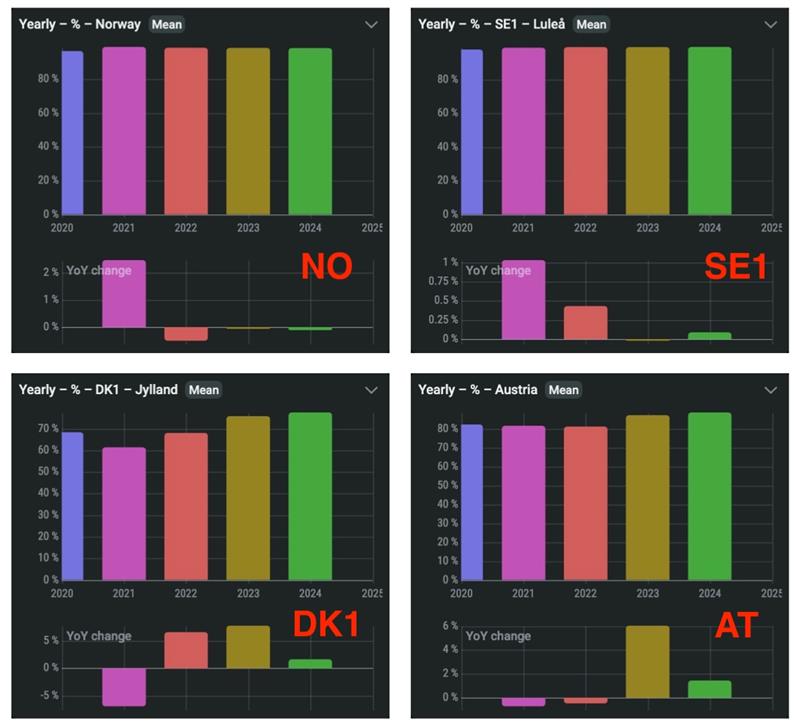
For hydrogen producers, this means a unique opportunity. In a zone generating 92% renewable electricity in the previous year, a hydrogen plant can operate and classify its production as green for 92% of the year. It's a direct link between renewable generation and hydrogen production.
Some regions are natural leaders in this approach. Norway and Northern Sweden have long prioritised renewable energy, creating power grids that are remarkably clean. Western Denmark and Austria are also showing promising growth, steadily increasing their renewable electricity generation.
The nuclear route: a low-carbon alternative
Not every region can boast predominantly renewable electricity. The nuclear route provides an alternative path for countries with significant nuclear power infrastructure.
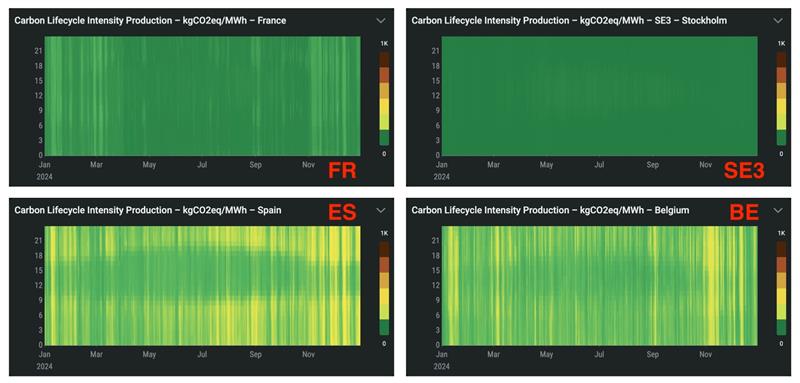
This pathway recognises that while nuclear power isn't renewable, it can be a low-carbon energy source. The criteria are specific: the carbon intensity must fall below 64.8 kilograms of carbon dioxide equivalents per megawatt-hour. Producers must also ensure the hydrogen is generated in the same hour and within the same bidding zone as the low-carbon electricity.
France exemplifies this approach. With its extensive nuclear power network, the country consistently demonstrates carbon intensities well below the threshold. Southern Sweden presents a similar profile. Other countries like Spain and Belgium show more varied compliance, with some hours meeting the low-carbon criteria.
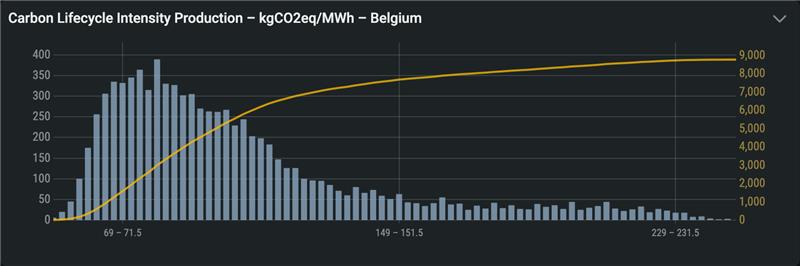
Navigating the data landscape: your path to green hydrogen certification
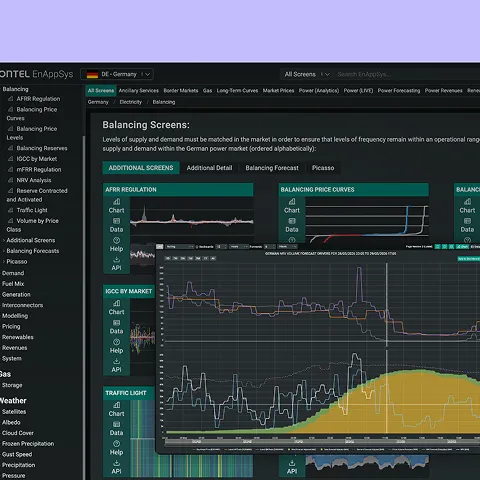
Understanding the complex requirements of green hydrogen classification demands precise, comprehensive data. This is where Montel becomes your strategic partner. Our platform offers more than just numbers, we provide a comprehensive toolkit for hydrogen producers seeking to navigate the intricate RFNBO regulatory landscape.
Our historic data sets allow you to trace the evolution of renewable energy generation across different bidding zones, helping you identify regions with emerging green grid potential. With quarter-hourly resolution forecasts extending up to ten days ahead, you can anticipate and validate low-carbon energy production windows with unprecedented accuracy. This granular approach transforms regulatory compliance from a challenge into a strategic opportunity.
Whether you're tracking renewable percentages, analysing carbon intensity, or mapping temporal energy profiles, our carbon data provides the forensic detail needed to make informed decisions. We don't just offer data, we offer clarity in a complex regulatory environment.