




Back to Resources
Carbon
Explore the evolving energy market with expert analysis, data-driven insights, and forecasts to help you navigate trends, pricing shifts, and strategic opportunities.

Last article
October 20, 2026
Power trading portfolio optimisation explained: from positions to strategy
Power trading portfolio optimisation is central to modern electricity trading strategies. Traders no longer focus on isolated positions in one market or timeframe. Instead, they continuously balance spot exposure, intraday opportunities, forward hedges, ancillary participation, and cross-commodity relationships within a single, integrated portfolio.
9
min read
Read more
Latest articles
Explore the energy market with expert analysis, insights, and forecasts to navigate trends and opportunities.
October 20, 2026
Power trading portfolio optimisation explained: from positions to strategy
Power trading portfolio optimisation is central to modern electricity trading strategies. Traders no longer focus on isolated positions in one market or timeframe. Instead, they continuously balance spot exposure, intraday opportunities, forward hedges, ancillary participation, and cross-commodity relationships within a single, integrated portfolio.
9
min read
Read more
October 19, 2026
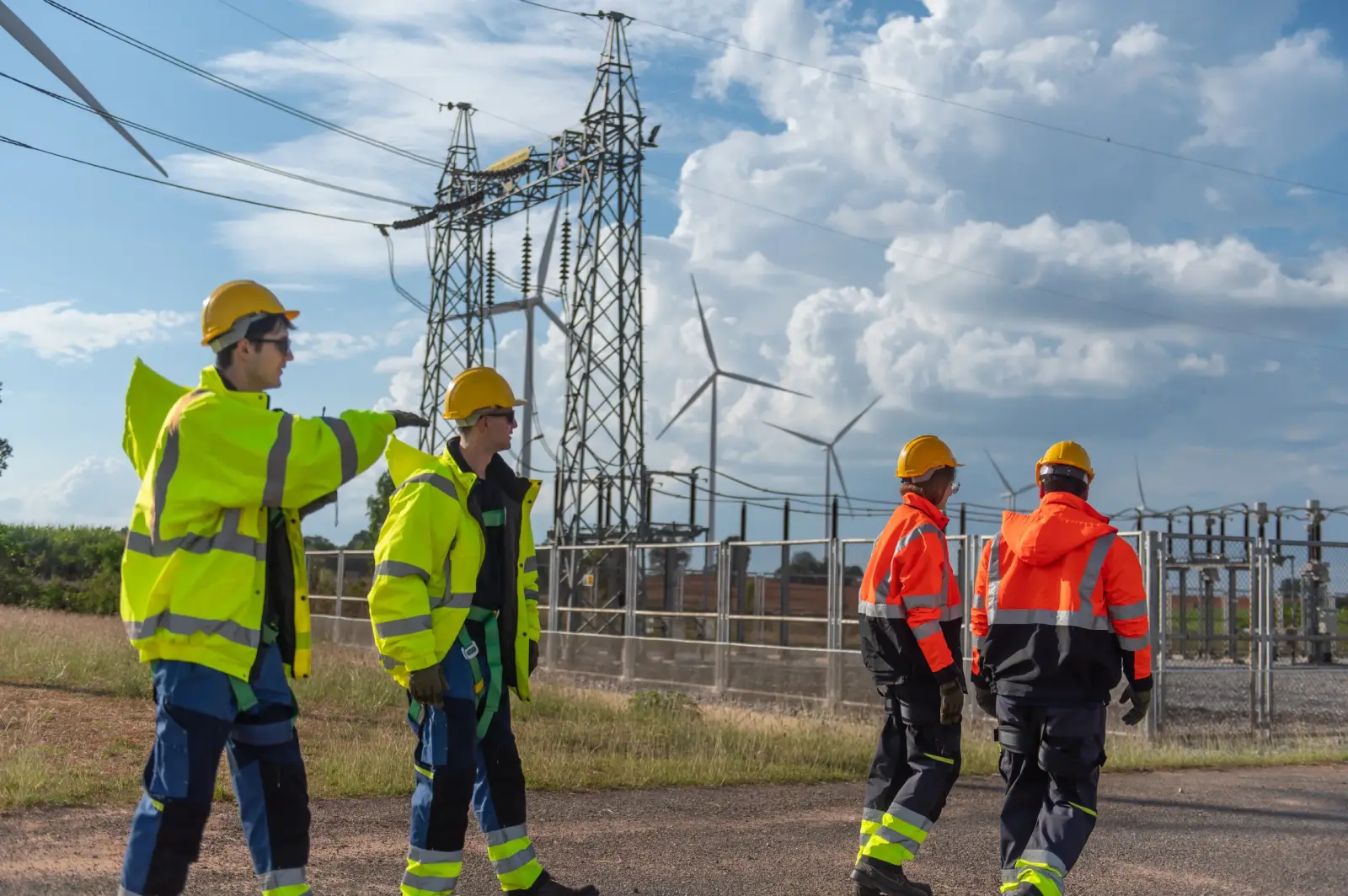
What are grid connection queues, and why are they delaying the energy transition?
A grid connection queue is the list of projects waiting for permission to plug into the network, and the date it gives each one decides when it can start earning. For most of the past decade, generation cost was the binding constraint on the energy transition, now it's the network itself, and the queue is where that mismatch shows up.
8
min read
Read more
October 18, 2026
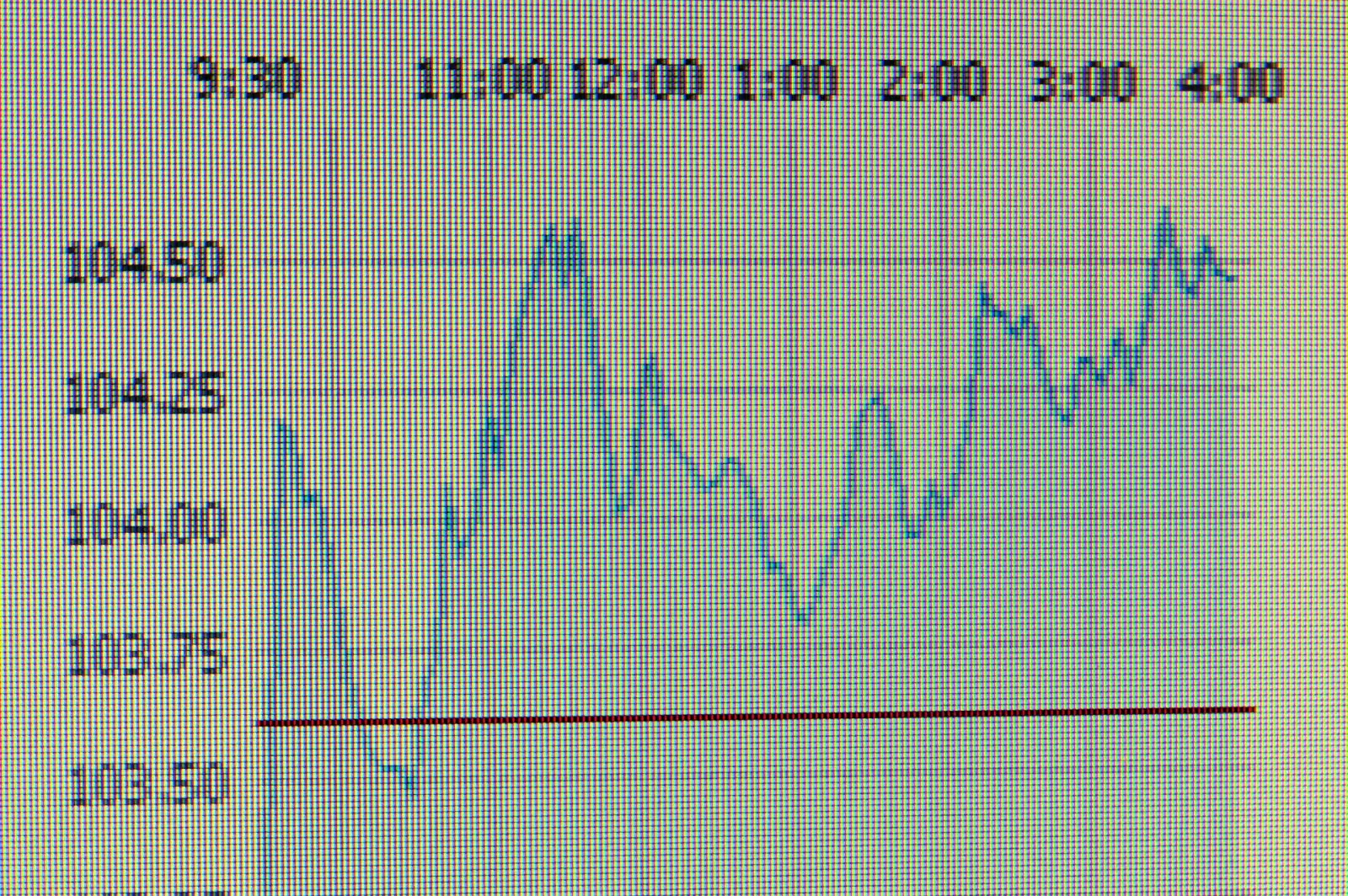
How to read a power forward curve and what it signals about future prices
A power forward curve reflects the market's present expectations of supply, demand and fuel costs for future delivery, plus the risk premium participants need to lock in a price now, rather than a forecast of where spot will land. Here's how to read its shape, from contango and backwardation to seasonal patterns, and what each says about the drivers behind it.
7
min read
Read more
September 1, 2026
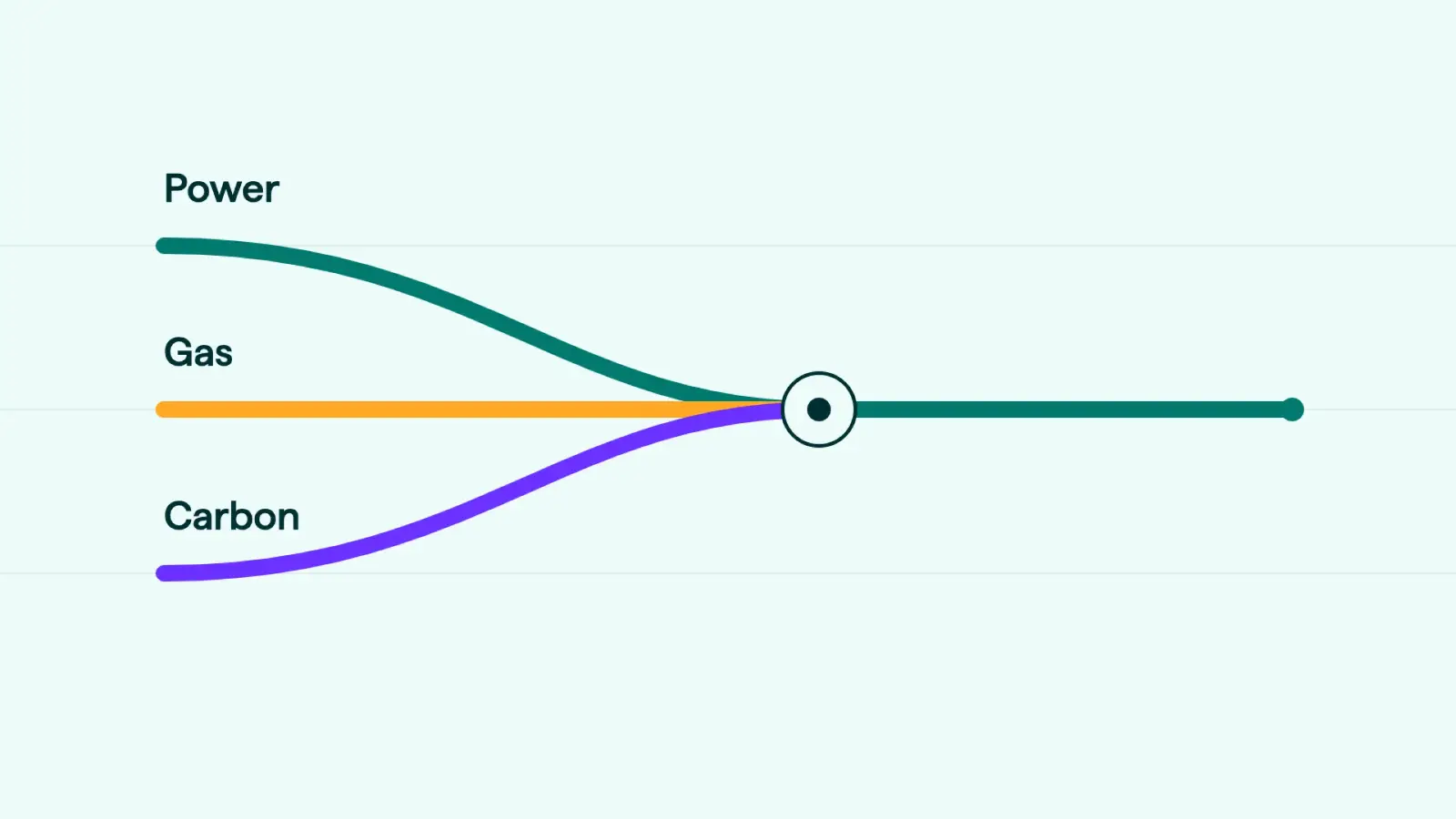
Cross-commodity optimisation: integrating power, gas and carbon exposure
Electricity markets do not operate in isolation. Power prices are continually shaped by fuel costs, carbon pricing, generation economics and shifting supply dynamics across interconnected commodity markets. For traders and portfolio managers, understanding electricity alone is no longer enough.
9
min read
Read more

August 27, 2026
What is CBAM? The Carbon Border Adjustment Mechanism explained
CBAM extends the EU carbon price to imported goods: importers of steel, cement or electricity now have to pay for the emissions behind them, roughly what an EU producer would owe under the ETS. The mechanism moved from reporting to real financial liability on 1 January 2026, even though certificates aren't purchased until 2027.
8
min read
Read more
June 21, 2026
Carbon hedging strategies for power traders
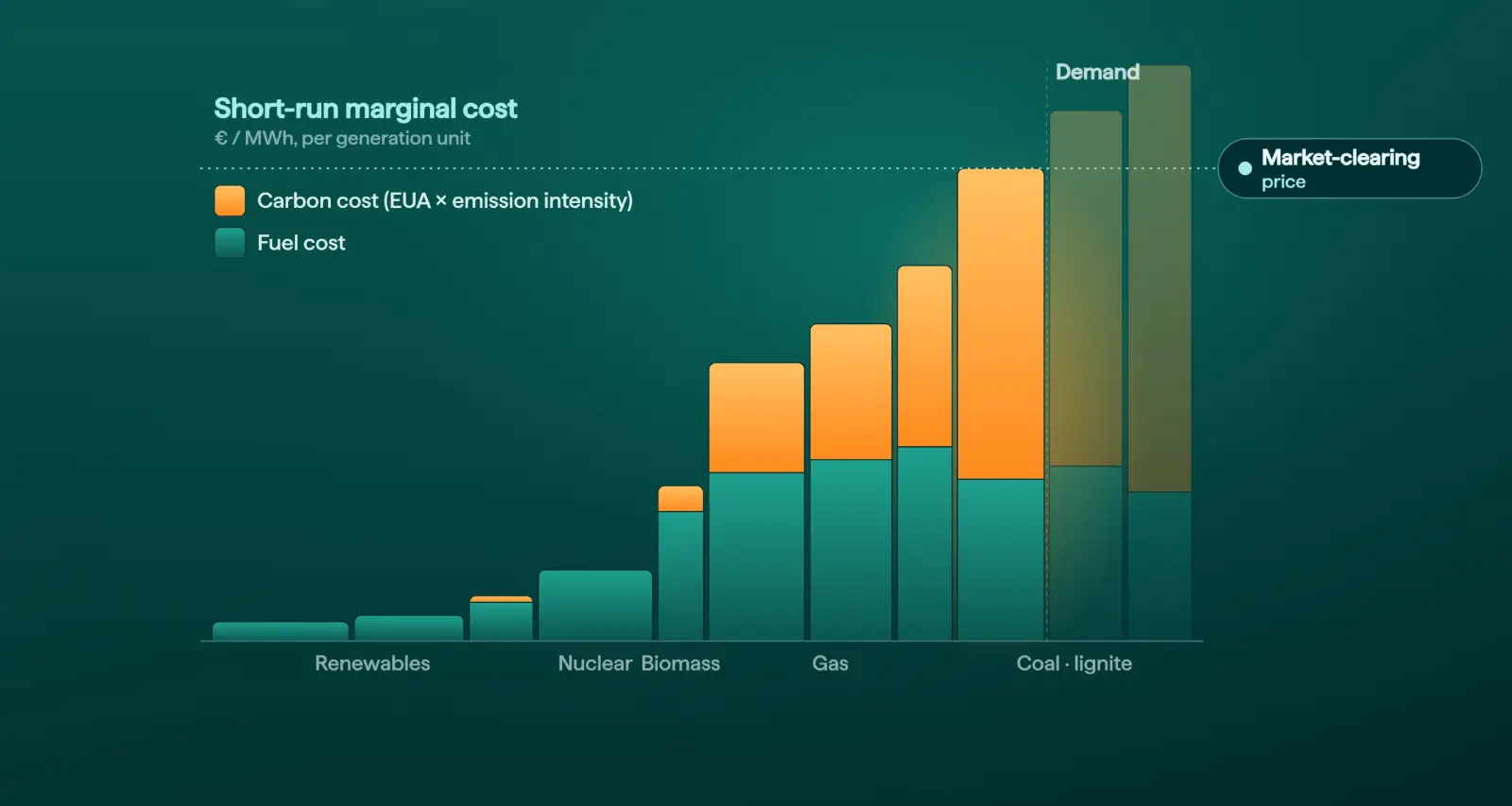
The wholesale price of electricity is intrinsically linked to carbon pricing and the volatility associated with it can create high-risk conditions for energy traders to trade in. Carbon pricing can directly change the merit order of power plants, which determines how energy facilities are ranked by cost. It’s therefore crucial that traders treat carbon allowances as they would other commodities, such as fuel, to profit from the volatility between fuel prices and to help ease the risk associated with trading in carbon markets. In this article, you’ll learn how carbon prices interact with electricity markets and influence power price formation. We’ll take a look at how power traders, portfolio managers, analysts and energy economists develop an arsenal of hedging strategies.
4
min read
Read more

June 14, 2026
Carbon policy and electricity prices: how regulation reshapes generation economics
Electricity markets are being continuously restructured thanks to the changing carbon policies, which aim to move away from fossil fuel models and towards renewable sources, as carbon pricing makes them more competitive. Regulations related to carbon pricing are a continuously evolving element of trading that power traders, portfolio managers, analysts and energy economists are prudent to keep on top of. It’s key that traders look for cross-commodity trading signals to generate actionable insights for successful trades. We’ll take a look at how carbon prices transmission into power markets, as well as how generation economics can change with EUA movements. This article will serve as a quick-reference, detailed examination of how carbon prices interact with electricity markets and how they influence power price formation.
4
min read
Read more
June 8, 2026
Fuel switching and carbon prices: when gas displaces coal in the generation stack
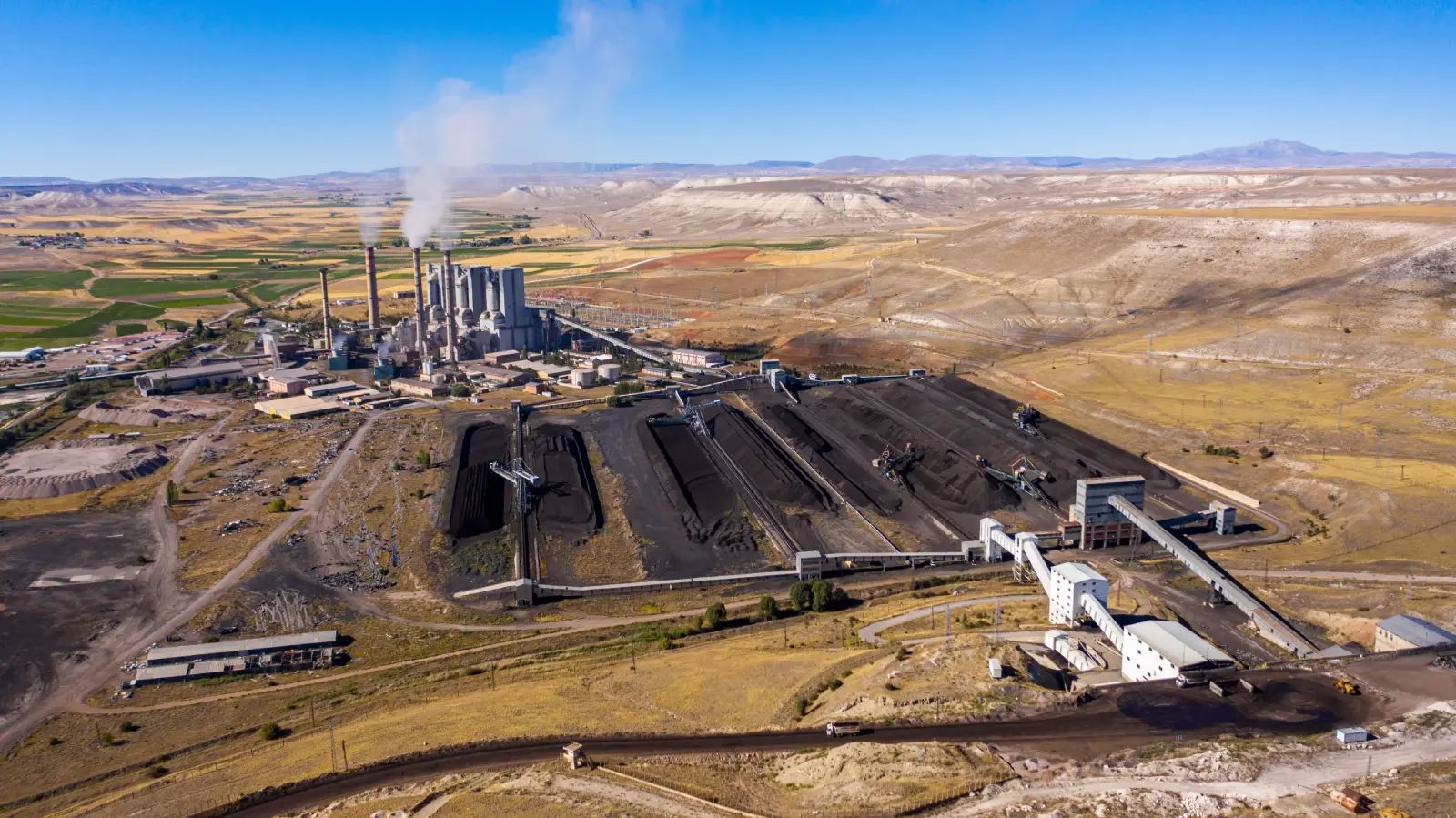
Generation economics change with EUA movements, so it's key that traders can highlight cross-commodity trading signals when they occur. One key process that occurs is fuel-switching: where low-carbon fuels are favoured and rapidly switched to over fossil fuels because they are more cost-effective thanks to changing carbon pricing. These low-cost, low-carbon options push coal to the top of the merit order, a mechanism that dispatches the most expensive fuel source last. It’s crucial to have an understanding of how carbon pricing transmissions into power markets, which is a key knowledge point for power traders, portfolio managers, analysts and energy economists. But how do carbon prices interact with electricity markets and how do they influence power price formation? We'll find out in the following article.
4
min read
Read more
June 4, 2026
Decarbonisation and long-term power pricing dynamics
Carbon pricing dynamics have been designed to help reach global decarbonisation goals efforts and they have a considerable effect on trading strategies as a result. It’s important that traders have a strong grasp on how the carbon market works and in particular, how carbon costs affect the generation stack. Carbon pricing transmissions into wholesale electricity prices by increasing the cost of fossil fuels, which can cause trading and risk implications for traders when the rise and fall of those costs cannot be predicted.
4
min read
Read more
Insights. Strategy.
Thought leadership that drives results.
In-depth analyses and expert insights from industry veterans shaping the conversation.

André Bosschaart
Battery storage

Priyanka Shinde
Nordic analytics

Felix Lohmeyer
Price forward curves

Fintan Devenney
GB and Irish power

Josephine Steppat
PPAs and scenarios

Ben Wrigley
Benelux power curve

Liubov Koroleva
Nordic power

Marc Hasenbeck
Risk and valuation