





Decarbonisation and long-term power pricing dynamics
Regional differences across Europe can also cause generation economics that change with EUA movements, so traders should learn to look out for cross-commodity trading signals and act on them when relevant. It's crucial,, therefore, that successful power traders, portfolio managers, analysts and energy economists can predict how carbon prices interact with electricity markets and, eventually, influence power price formation.
How the carbon market works
The carbon market is a mechanism to help decarbonisation efforts, reducing carbon emissions by allowing businesses to emit a certain amount of carbon emissions for free. The mechanism works as follows:
- Cap: A cap is set by Governments on how much total carbon emissions certain industries can emit, with higher emitters such as aviation having tighter caps.
- Allowances: A cap makes up a number of allowances, each of which equals one tonne of carbon.
- Trading: Energy producers generating less carbon emissions than their cap can sell extra allowances to companies that do.
- Decarbonisation: As the cap tightens, allowances become more scarce and it's more expensive to invest in fossil fuels than renewables.
Overview of the EU ETS
One of the largest allowance markets is EU Emissions Trading System (EU ETS). Based in Europe, it focuses on reducing emissions from heavy-polluting industries, such as the power industry. It functions on a consistently tightening cap to drive emissions down.
Allowance supply and demand dynamics
The EU ETS long-term goal is to achieve decarbonisation through power pricing dynamics that make fossil fuels less competitive with renewables. As it increases the tightness of the allowance cap, allowances become scarcer, driving up the price of fossil fuels and reducing demand for that energy stream.
How carbon costs affect the generation stack
Carbon costs increase the cost of fossil fuels, which reorders the merit order: the listing of power sources by cost. As those prices rise, fossil fuels aren’t an economically viable choice and so alternatives from the generation stack are selected.
Emission intensity of coal vs gas
Carbon pricing dynamics affect coal and gas because of the emission intensity of fossil fuels. However, coal emits approximately double the amount of carbon emissions of gas and so fuel switching occurs, from more expensive coal to gas.
Carbon-adjusted marginal cost
We use the carbon-adjusted marginal cost to calculate the combined fuel, operating and carbon costs. When carbon prices rise, the marginal cost of coal rises above that of gas, so coal-fired plants operate less frequently, making them the less profitable option.
How carbon costs interact with wholesale electricity prices
Carbon pricing transitions into wholesale electricity prices by increasing the price of fossil fuels: long-term power pricing dynamics are divided into three distinct phases:
- Initial Price Rise: The cost of purchasing allowances can be passed on to consumers through wholesale pricing, which causes prices to rise.
- Long-Term Shift: Short-term, bills increase in price, but the long-term aim is that electrification increases because fossil fuels become too expensive an alternative.
- Zero-Emissions: Higher carbon prices are intended to make fossil fuels less effective and renewable energy more effective, decreasing the
Marginal plant price setting
Currently, gas plants tend to set the marginal price for the wholesale market; however, we expect fossil fuels to be the marginal plants setting pricing much less frequently in the future as carbon pricing frames renewables as the preferred option.
Carbon pass-through mechanisms
Currently, power generators are able to pass through carbon pricing through carbon pass-through mechanisms. However, regulations are evolving to ensure fossil fuels can pass less on via pass-through methods.
Regional differences across Europe
Fuel dependencies and infrastructure issues are a stumbling block in an otherwise evolving renewables mix in Europe. However, certain regions are still reliant on fossil fuels, meaning that carbon pricing has an effect on their wholesale energy price dynamics.
Generation mix differences
Latvia and Sweden are leading the way in low-carbon energy generation, which leaves them less open to carbon pricing impacts. Whereas nearby Poland still relies heavily on coal, leaving it vulnerable to wholesale energy price increases as carbon pricing makes fossil fuel options unaffordable.
Fuel dependency variations
Certain countries in Europe are highly reliant on imported energy, which leaves them vulnerable to price increases on imported fossil fuels as carbon pricing continues to impact prices. Two of these countries are Malta and Cyprus, which contrast hugely with Sweden and Latvia, which experience the lowest fuel dependency.
Trading and risk implications
As renewable energy infiltrates the energy mix further, this could risk pushing higher-cost marginal plants out the offering due to solar and wind's zero marginal costs.
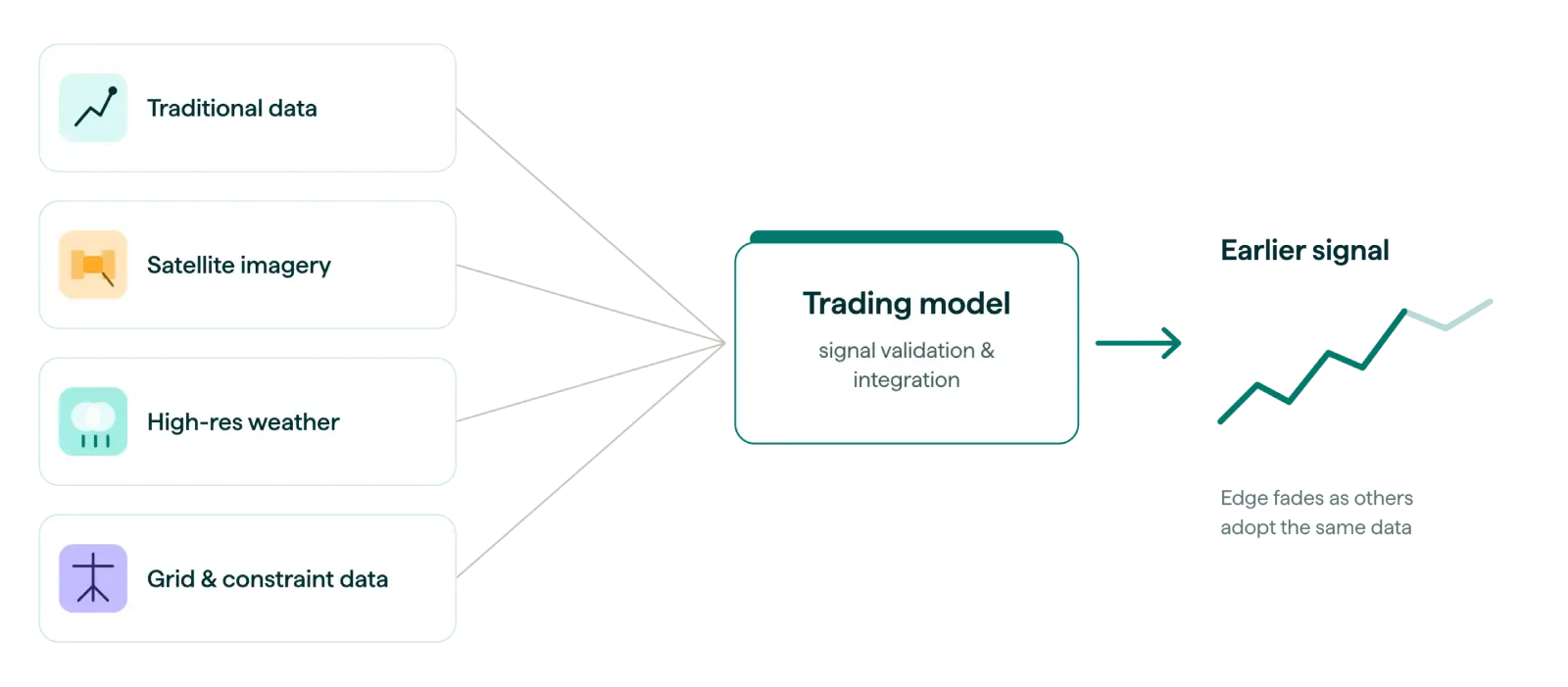
This causes risk to traders, such as cannibalisation, which can depress pricing and, in turn, profit. With such volatile markets to trade in, traders need to adopt forecasting to try to exploit carbon pricing rather than be impacted by it.
Future trends in trading in the age of decarbonisation might include incorporating storage, flexible load management or demand-side response into potential trading strategies. For power producers, this could include co-locating storage solutions with renewable plants.