





Back to Resources
Analytics
Explore the evolving energy market with expert analysis, data-driven insights, and forecasts to help you navigate trends, pricing shifts, and strategic opportunities.

Last article
October 20, 2026
Power trading portfolio optimisation explained: from positions to strategy
Power trading portfolio optimisation is central to modern electricity trading strategies. Traders no longer focus on isolated positions in one market or timeframe. Instead, they continuously balance spot exposure, intraday opportunities, forward hedges, ancillary participation, and cross-commodity relationships within a single, integrated portfolio.
9
min read
Read more
Latest articles
Explore the energy market with expert analysis, insights, and forecasts to navigate trends and opportunities.
October 20, 2026
Power trading portfolio optimisation explained: from positions to strategy
Power trading portfolio optimisation is central to modern electricity trading strategies. Traders no longer focus on isolated positions in one market or timeframe. Instead, they continuously balance spot exposure, intraday opportunities, forward hedges, ancillary participation, and cross-commodity relationships within a single, integrated portfolio.
9
min read
Read more
October 19, 2026
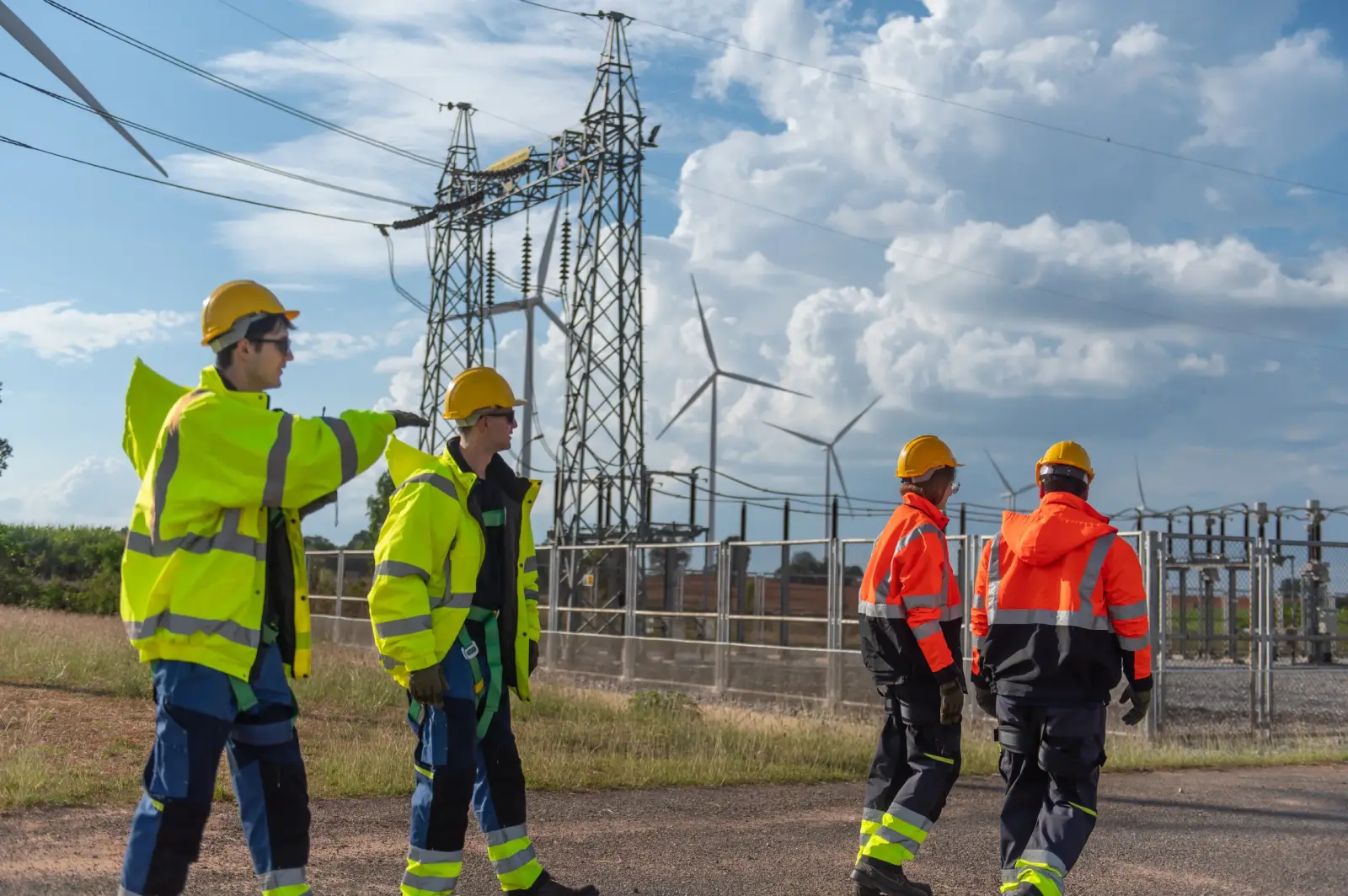
What are grid connection queues, and why are they delaying the energy transition?
A grid connection queue is the list of projects waiting for permission to plug into the network, and the date it gives each one decides when it can start earning. For most of the past decade, generation cost was the binding constraint on the energy transition, now it's the network itself, and the queue is where that mismatch shows up.
8
min read
Read more
October 18, 2026
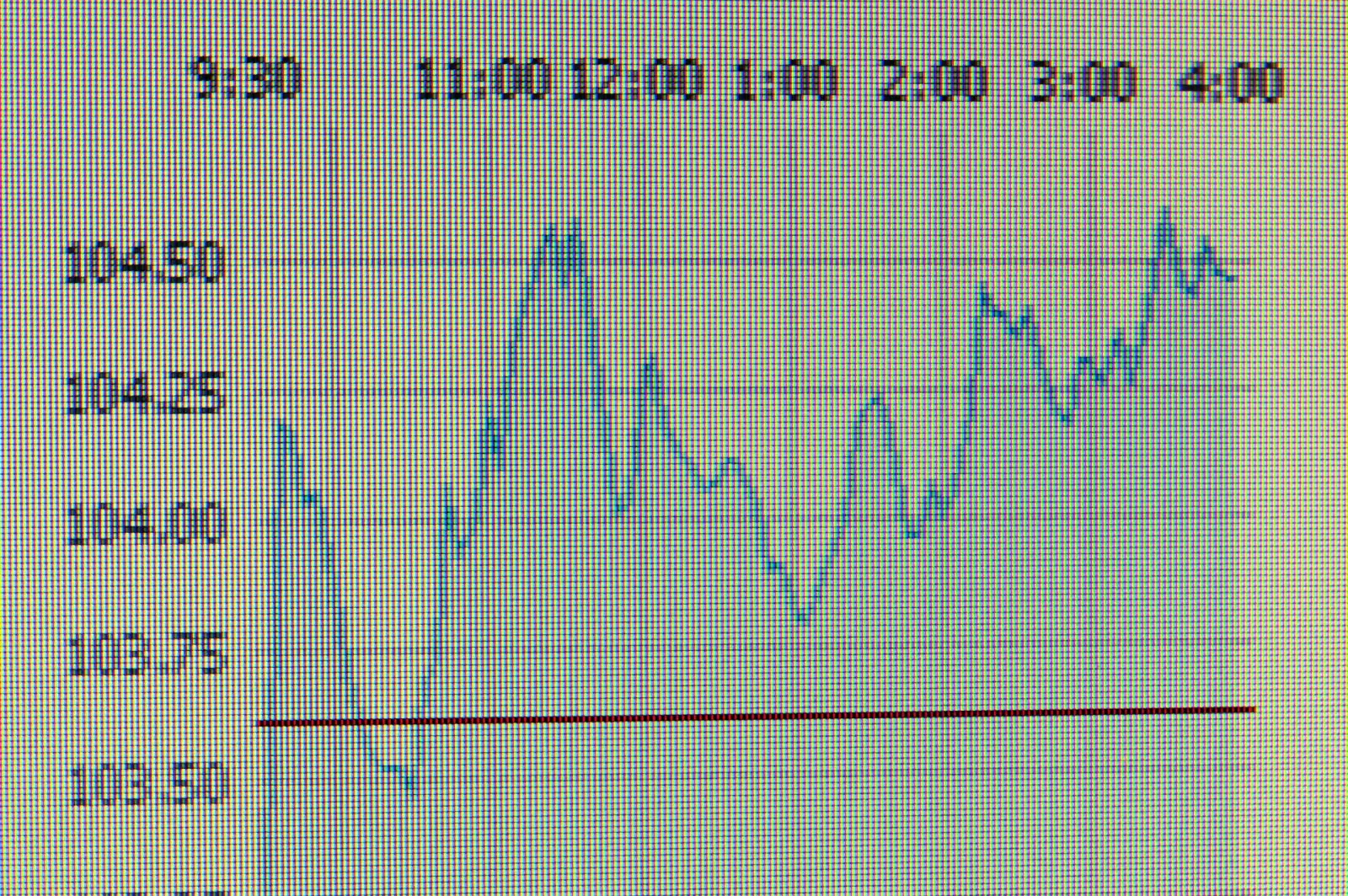
How to read a power forward curve and what it signals about future prices
A power forward curve reflects the market's present expectations of supply, demand and fuel costs for future delivery, plus the risk premium participants need to lock in a price now, rather than a forecast of where spot will land. Here's how to read its shape, from contango and backwardation to seasonal patterns, and what each says about the drivers behind it.
7
min read
Read more

October 13, 2025
The rhythm of electricity: How the quarter-hour is changing the energy market
Since October 1st 2025, the day-ahead auction has been conducted at 15-minute intervals, which has noticeably changed price dynamics: instead of smooth hourly blocks, there is now a “sawtooth” pattern with significant intra-hour fluctuations, especially in the morning and evening. This is driven by hourly fixed FBMC capacities, block bids from conventional power plants, and operating modes that have not yet been adjusted. Initial data indicates greater volatility and a shift of liquidity to the day-ahead market (IDA1 volume is falling) – the effect could diminish in the medium term, but without reform of hourly mechanisms, quarter-hourly volatility will remain a defining feature.
3
min read
Read more

October 13, 2025
How can you avoid penalties in Capacity Markets?
Capacity markets ensure that enough generation, storage, and demand response capacity is available during system stress. While the financial incentives can be appealing, they come with conditions: failing to meet commitments results in penalties that can quickly reduce profits. Therefore, avoiding these penalties is crucial not just for protecting revenue, but also for maintaining trust with regulators, system operators, and investors.
4
min read
Read more
October 6, 2025
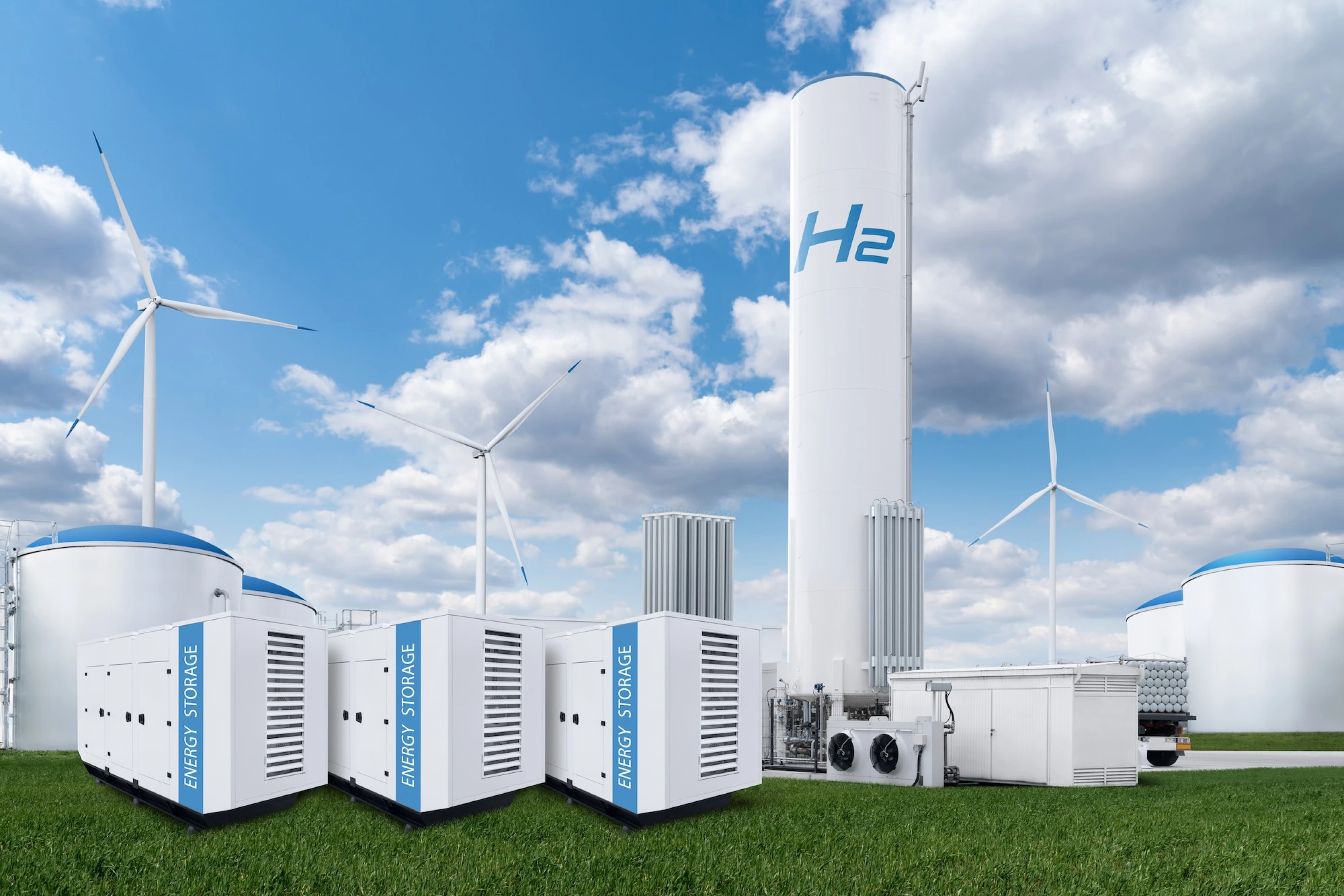
Which is better: batteries or hydrogen storage?
As our global grid begins to modernise, more and more renewable energy sources are being integrated. But renewable sources are also volatile sources, which means energy storage is required to balance periods of high output with periods of lower output, and this is where batteries step in.
5
min read
Read more
October 3, 2025
What are the risks of grid congestion in the UK?
As the world rushes towards the energy transition, the switch from fossil fuels to green sources is increasing at a rapid rate. However, one consideration that is often overlooked is network capacity. As renewable generation grows faster than network capacity, grid congestion in the UK is increasing, and constraints to the grid can lead to higher balancing costs, curtail clean energy output, and delay connections, resulting in both operational and financial risks. However, there are practical steps that the industry as a whole can take to tackle grid restraint issues. Asset owners, suppliers, traders, and large users must learn to anticipate and manage exposure to protect their returns.
4
min read
Read more

October 2, 2025
How can AI improve energy trading strategies?
Applied in the renewable energy sector, specifically in wind farms, solar plants, and battery storage systems, AI can enhance energy trading strategies, streamlining and informing actions such as forecasting, bidding, risk, and operations. But first, we need to ensure the data readiness of our businesses, examining how we monitor, collect and process big data from renewable plants, as well as how to integrate AI into existing workflows and controls.
5
min read
Read more

September 24, 2025
(No) reasons to be so negative?
Whitepaper on causes and development paths of negative power prices.
4
min read
Read more
Insights. Strategy.
Thought leadership that drives results.
In-depth analyses and expert insights from industry veterans shaping the conversation.

André Bosschaart
Battery storage

Priyanka Shinde
Nordic analytics

Felix Lohmeyer
Price forward curves

Fintan Devenney
GB and Irish power

Josephine Steppat
PPAs and scenarios

Ben Wrigley
Benelux power curve

Liubov Koroleva
Nordic power

Marc Hasenbeck
Risk and valuation