




From oversupply to flexibility: How Europe can reduce negative price hours
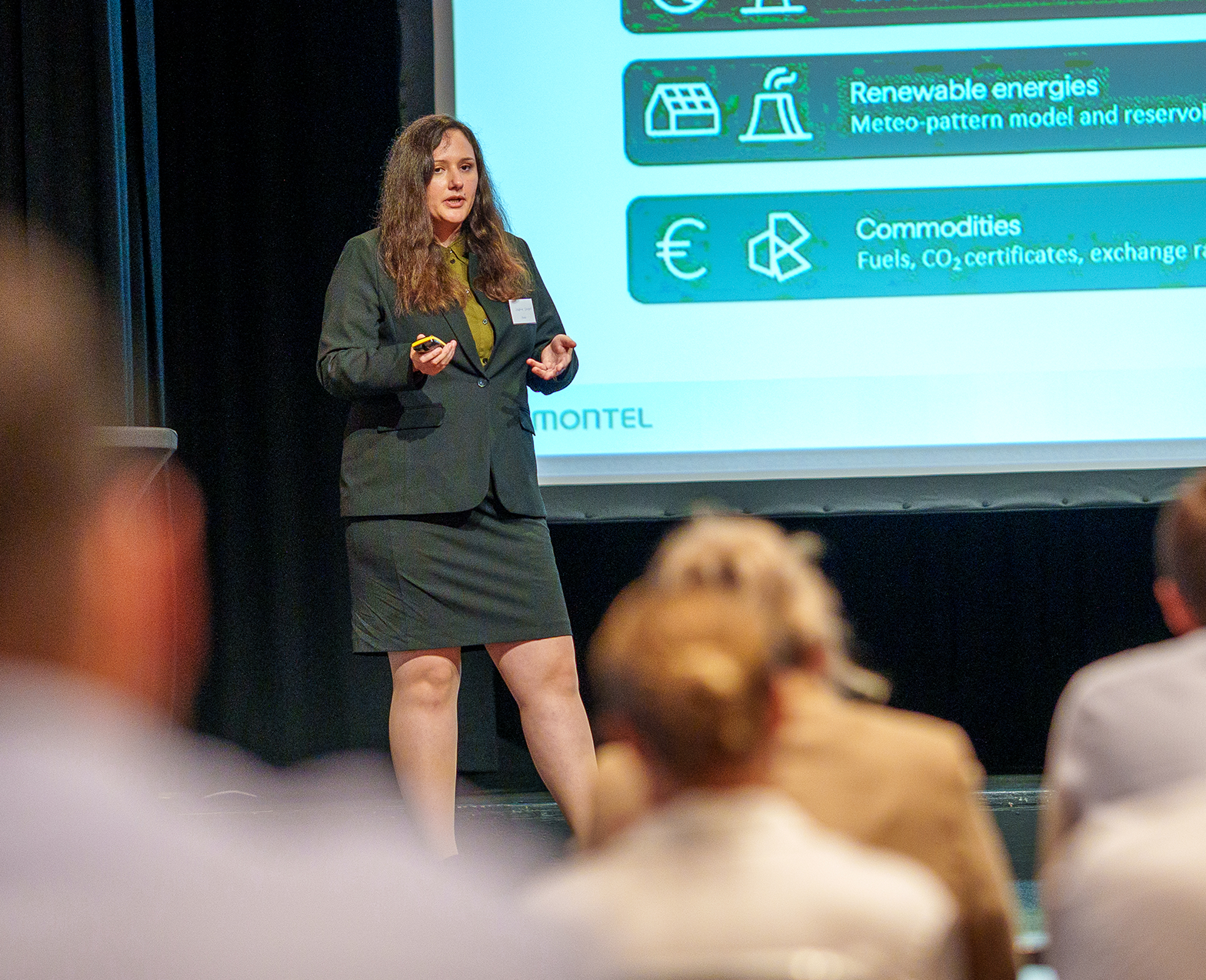
Negative electricity prices are no longer rare events, they’re becoming a regular feature of Europe’s power markets. In this session, Josephine Steppat explores what’s driving this shift and what it means for key market participants.
Using real-world data and examples from recent years, the speakers will unpack the frequency and conditions that lead to negative price hours. They’ll explain how renewable oversupply, structural inflexibility, and regional disparities play a role, and how new technologies and market reforms can help mitigate the issue going forward.
Themes covered in the webinar:
Why negative prices occur more often:
Dive into the market conditions that create price dips, including mismatches between solar/wind surges and low demand, transmission constraints, and limited cross-border balancing.
Solutions for a more flexible future:
Explore a range of solutions, batteries, electrolysis, electrification of heat and transport, and market incentives that can reduce oversupply events and smooth out pricing.
What will you learn in the webinar:
- How often negative price hours occur, and in which countries and conditions
- What drives price drops and why they’re expected to increase without intervention
- How new flexibility tools are being deployed across Europe to manage volatility
Who should attend this webinar:
This session is for traders, utilities, renewable developers, and policy professionals navigating the future of power market design. If you work with intermittent generation or are impacted by price volatility, this webinar will help you prepare for the shifts ahead.
The speakers

Josephine Steppat
osephine Steppat studierte Betriebswirtschaftslehre (B. Sc.), Volkswirtschaftslehre (B. Sc.) und Environmental and Resource Economics (M. Sc.) an der Christian-Albrechts-Universität zu Kiel (CAU). In ihrer Masterthesis befasste sie sich mit den Auswirkungen des EEG auf den Day-Ahead Strommarkt und dessen Einfluss auf Power Purchase Agreements (PPAs). Seit Mai 2023 ist Josephine Steppat bei der Energy Brainpool GmbH & Co. KG im Bereich der fundamentalen Strommarktanalyse tätig. Dort arbeitet sie an Analyse- und Beratungsprojekten. Zudem arbeitet sie bei Energy Brainpool GmbH & Co. KG im Bereich der Power Purchase Agreements. Dort hat sie sich insbesondere auf die marktnahe Bewertung von Power Purchase Agreements spezialisiert und arbeitet an Beratungsprojekten mit. Außerdem führt sie regelmäßig Grundlagen- und Fachseminare zur Strom- und Energiewirtschaft durch.
Informations


Session starts at 12:00 CET