



E-book
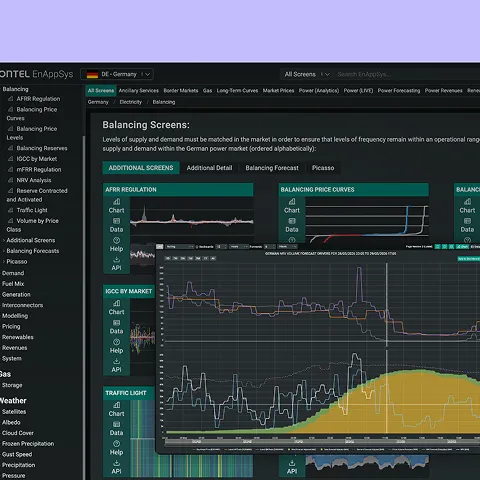
Battery storage optimisation in European markets
Battery storage optimisation in European markets
The fear of missing money is real. Here’s how to avoid it.

Download E-book
The fear of missing money is real. Here’s how to avoid it.
Based on analysis of over 100 projects in Germany, the Netherlands, and Belgium, this e-book shows how to maximise battery storage revenues using market-tested optimisation strategies.
Download your copy to learn what works and what doesn’t.
What’s inside?
Battery energy storage systems (BESS) are now central to Europe’s energy markets. But strong revenues depend on smart, real-time strategies.
This report breaks down:
- Which European markets offer the best returns
- How to balance intraday, day-ahead, and ancillary revenues
- Why 50% state of charge (SOC) gives you the most flexibility
- How configuration, market depth, and cycling affect profit
- What kind of optimisation setup delivers EUR 352,000/MW annually
Whether you're operating, investing in, or modelling BESS assets this is essential reading.
Who should read this?
This e-book is built for:
- Battery operators looking to optimise assets across markets
- Investors and developers assessing revenue potential and risk
- Energy traders structuring bids and cycle strategies
- System operators and analysts tracking market efficiency and volatility
FAQ
PPA
Batteries
Gas
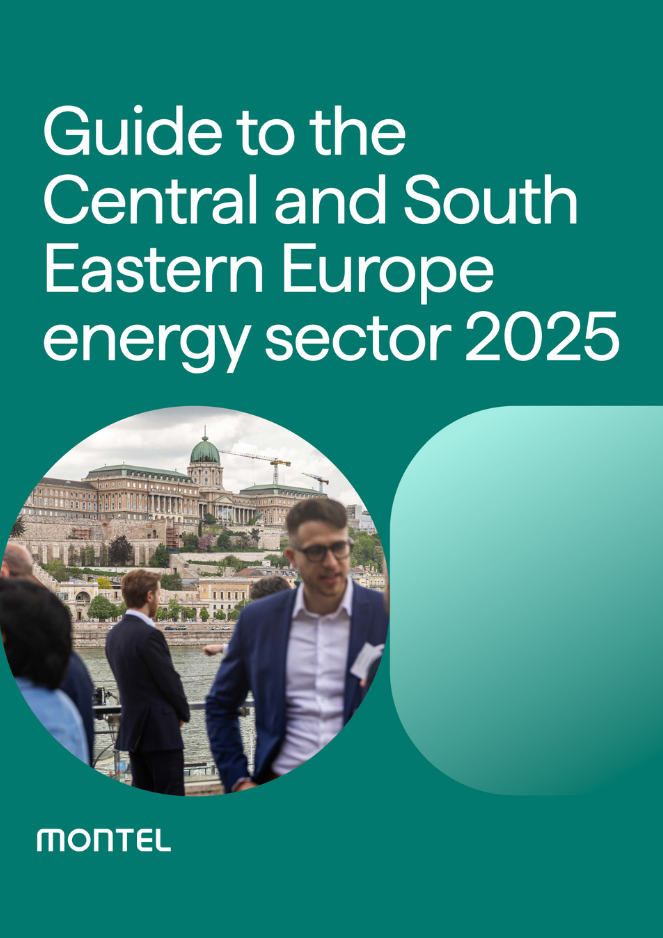
A guide to the CSEE Energy Day 2025
Our free e-book on Central & South Eastern Europe explores key energy issues, with insights from Montel's CSEE Energy Day on gas, PPAs, power, and batteries.