





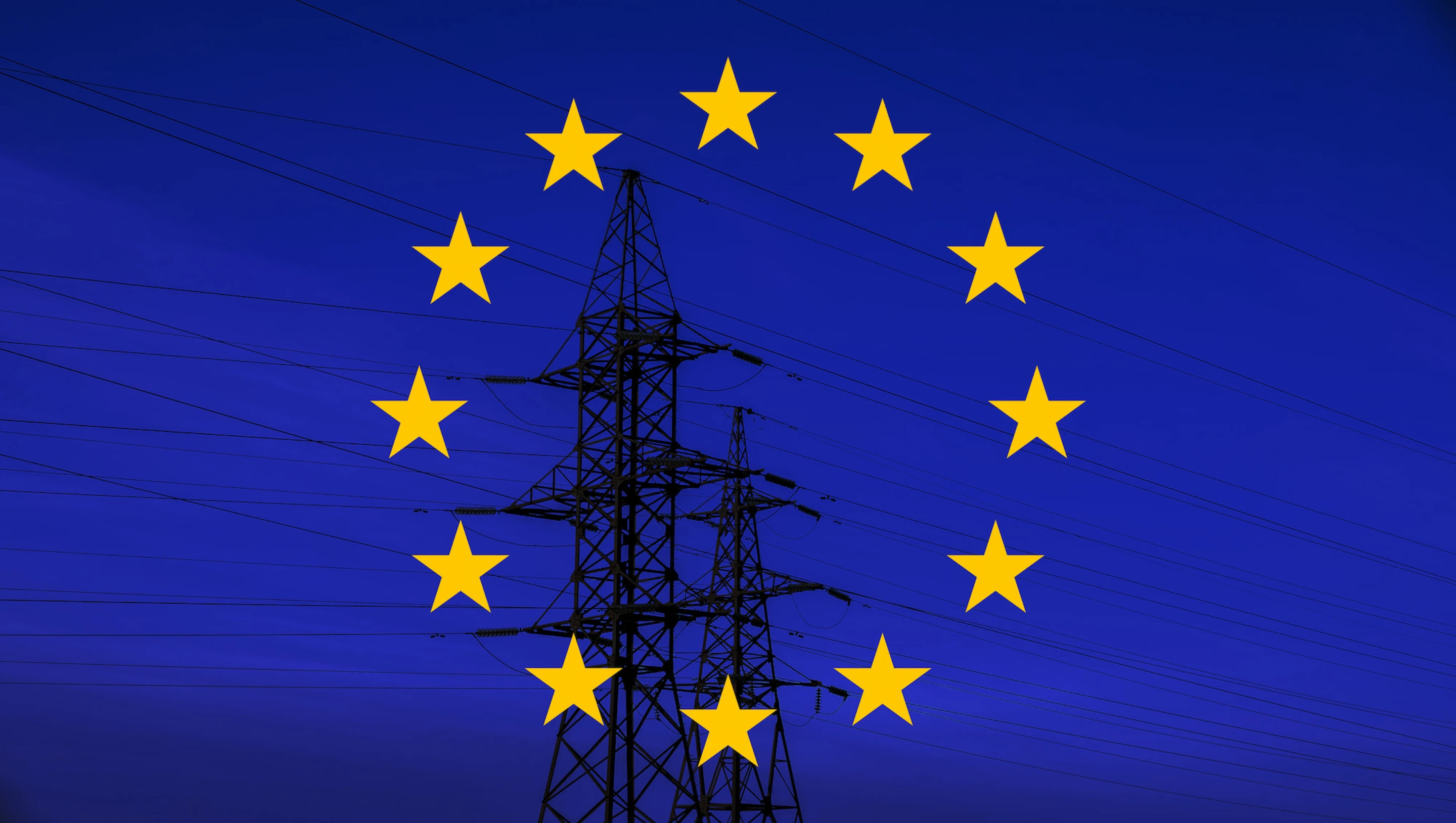
What the EU Omnibus directive means for the energy market
What is the EU Omnibus Directive and why it matters for the energy market?
The EU Omnibus Directive (Directive (EU) 2019/2161), also known as the Enforcement and Modernisation Directive, was introduced to strengthen consumer rights in digital environments, including online energy marketplaces and service platforms. It is particularly relevant for energy providers and digital platforms that offer electricity tariffs, carbon trading services, price forecasts, or green certificates across the EU.
The directive targets unfair practices in e-commerce and digital transactions, ensuring pricing transparency, genuine reviews, and fair digital conduct—all essential in an industry where energy pricing is dynamic, data-driven, and increasingly consumer-facing.
How the EU Omnibus affects the energy sector?
As more energy services, from dynamic tariffs to carbon offset subscriptions, move online, the directive ensures consumers are fairly treated when engaging with these offerings.
1. Transparency in energy pricing and fees
Energy marketplaces and suppliers must display the total cost of energy services upfront. This includes taxes, grid fees, environmental charges, and any bundled service components (like storage, analytics, or solar add-ons). No hidden surcharges should appear later in the checkout or contract process.
2. Verifying energy product reviews
Platforms listing energy suppliers, brokers, or tariff-switching services must ensure all consumer reviews are authentic. Reviews must come from verified customers, not internal staff or paid sources unless explicitly disclosed. This increases trust in supplier rankings and switching services.
3. Disclosure of personalised pricing models
In markets offering dynamic or personalised electricity pricing, companies must clearly state if the price displayed is tailored based on user profile, consumption patterns, or location. For example, if an energy trading platform offers differential pricing based on industrial use or prior bidding behaviour, this must be disclosed during the purchase journey.
4. Preventing dual-quality energy products
If an energy provider offers seemingly identical services (e.g. “green electricity tariffs”) in different EU countries but delivers unequal service quality, the directive views this as deceptive. Providers must ensure consistency and transparency in service delivery across regions.
Who must comply in the energy sector?
The directive applies to all digital operators involved in B2C energy transactions across the EU, including:
- Energy comparison platforms and switching tools
- Electricity and gas suppliers selling directly to consumers
- Trading platforms offering carbon credits or guarantees of origin
- Green tech and flexibility service providers using algorithmic pricing
Compliance requirements for energy businesses
1. Disclose supplier rankings and paid listings
If a supplier appears higher in a marketplace because of paid promotion or commercial partnership, this must be disclosed. This ensures that users making energy supply choices based on rankings are not misled.
2. Clarify review verification and influencer content
If energy brands use review platforms or work with influencers in the renewable space, all gifted or incentivised content must be clearly labelled. This is especially important for energy startups promoting new tariffs, climate apps, or clean tech devices.
3. Explain personalised energy pricing
Whether through time-of-use tariffs, demand response tools, or predictive billing, any pricing adjusted through algorithms or smart meter data must be accompanied by a clear explanation of how and why the price is tailored.
Enforcement and penalties in the energy context
1. Financial penalties
Companies in breach of the directive risk fines of up to 4% of global annual turnover. For established energy providers or aggregators with large EU footprints, noncompliance could translate into significant losses and reputational damage.
2. Pan-EU enforcement collaboration
Cross-border energy service providers (e.g. in power trading, cross-national supply, or analytics) will face coordinated enforcement by national authorities. Uniform standards will be applied across all EU countries to ensure consistency in consumer protection.
Adapting your energy business to the Omnibus Directive
Energy businesses should:
- Update websites to show transparent pricing
- Clarify review authenticity on comparison platforms
- Label personalised pricing models
- Train staff on new compliance standards
- Use third-party verified tools like Trustpilot or Feefo for public reviews
These actions will not only ensure compliance but also help build trust, improve transparency, and differentiate your energy brand in a highly competitive and regulated digital landscape.
Final Thought
The EU Omnibus Directive is more than a legal requirement, it’s a strategic opportunity for energy businesses to demonstrate fairness, innovation, and leadership in consumer protection. Complying helps build brand loyalty, reduce churn, and position your offering as a trusted solution in the evolving European energy market.