





What makes geothermal energy the future of renewables?
What makes geothermal energy the future of renewables?
Geothermal energy is quickly being touted as one of the leading solutions in the clean energy transition. Increasingly viewed as a critical component of the renewable energy future, geothermal energy has many benefits over other sources of renewable energy due to factors such as its lower emissions output. It’s stability is garnering interest from green energy investors due to the positive factors that position it as a future-proof renewable energy source.
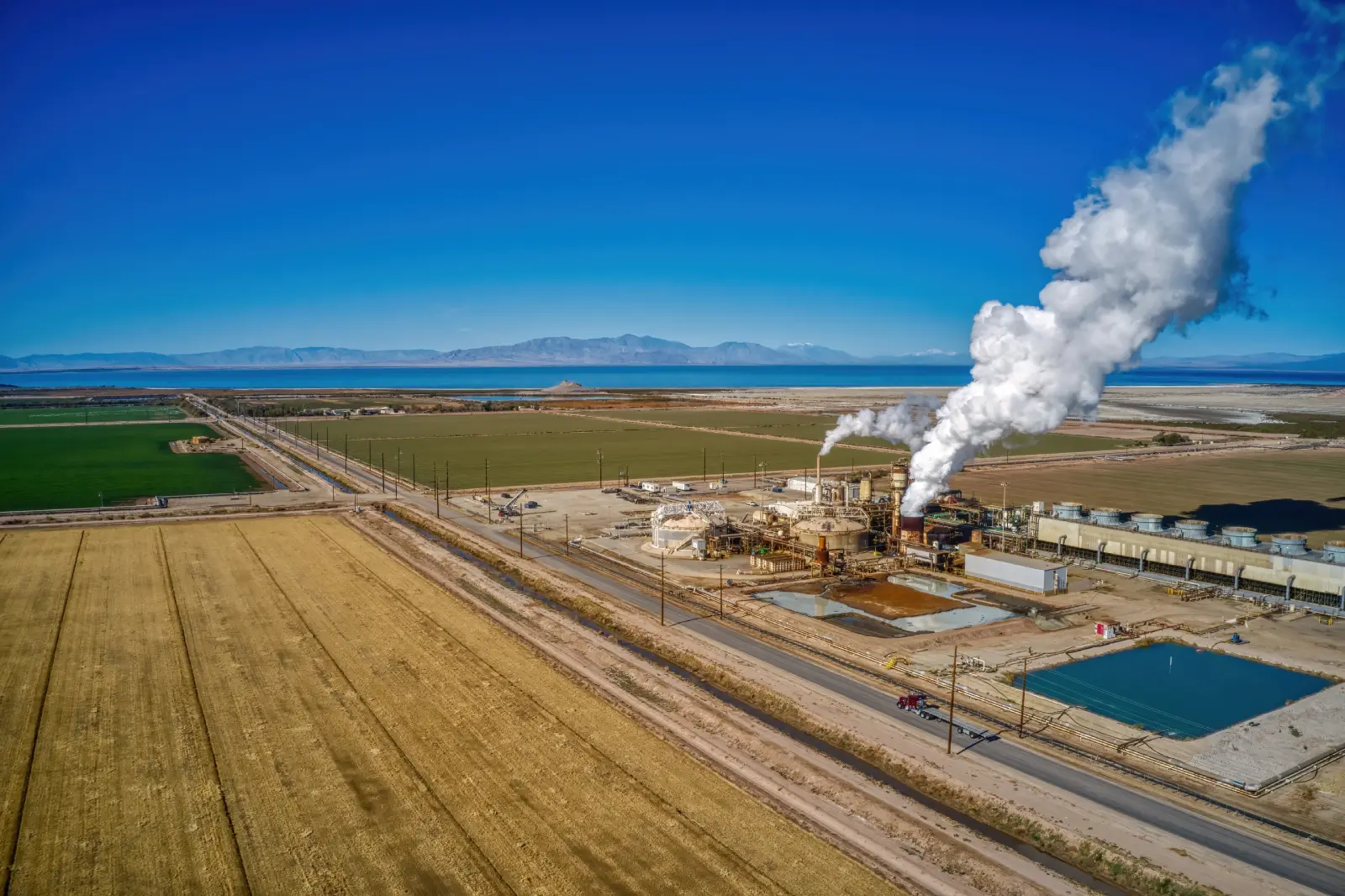
Geothermal energy is an energy source derived directly from the earth. It uses the earth’s natural heat to drive turbines for electricity, building heating, or industrial applications. Heat can be accessed via drilling through heated rocks and includes a number of extraction methods, including dry steam, flash, and binary cycle.
Two main uses for geothermal energy are direct use and electricity generation. Direct-use applications include industrial, cooling, heating and agriculture, while electricity generation includes turbines, geothermal plants and Enhanced Geothermal Systems (EGS).
Why geothermal stands out among renewables
Geothermal energy has several benefits over other forms of renewable energy, including solar and wind.
Provides 24/7 baseload power
One of the benefits of geothermal energy is that it provides consistent baseload power, unlike solar and wind, which rely on the weather to generate power. As the weather is a changeable resource, it can be unpredictable, making solar and wind a more volatile energy source compared to geothermal, which generates energy from a more constant source.
Minimal land footprint and low visual impact
Geothermal is also becoming a favourite due to its smaller requirement for land compared to wind and solar methods. Solar plants need a lot of space to generate enough energy to make them financially viable and to keep with the demand of supply, and wind turbines need to be spread out over a wide period to generate an impactful amount of wind energy. Both sources are also a blight on the visual landscape, with solar panels taking up vast amounts of agricultural land - often in beautiful rural areas - and wind farms erected often in sites of natural beauty such as mountain ranges or coasts due to the requirement for wind. This leads to negative perceptions from residents, which can cause problems with the planning of future plants. Geothermal energy is generated underground, so it is less impactful visually than solar or wind farms.
Technological breakthroughs driving growth
A number of breakthroughs are driving the geothermal sector. With specific dangers and challenges, alternative technologies have had to be employed.
Enhanced geothermal systems (EGS) and their potential
EGS has been generated to help plug the gaps in regions where geothermal energy doesn't occur or experiences low permeability. For EGS to take place, however, it must be located in a region where the conditions mirror geothermal activity. In the process of EGS, artificial reservoirs are created in rock formations with hot and desert-like conditions, and hot water is injected to expose fractures in the rock so that the water can create steam and generate thermal energy.
Directional drilling and fracking advancements
Fracking and directional drilling were developed for use in oil and gas, but they've found another application in geothermal energy. Directional drilling allows geothermal production processes to access deeper and more specific geothermal sources. Fracking is a vital tool in EGS activity—it allows EGS to expose larger sections of geothermal activity in hard-to-reach areas.
Environmental and economic benefits of geothermal energy
While start-up costs are high, geothermal energy offers economic benefits and a host of environmental ones.
Near-zero emissions and low water usage
One key benefit of geothermal energy use is the near-zero emissions associated with it—greenhouse gases emitted are very limited compared to fossil fuels. Freshwater is not always required for cooling, meaning water usage can be low during production.
Long project lifespans and stable operating costs
A geothermal plant can operate for a very long period—in some cases up to 80 years. This longevity makes investment in geothermal energy more attractive, as pricing can be forward-planned and investment more secure. Because geothermal activity is fairly constant—it utilises the earth's general heat output—operation is stable. This makes operational costs stable, too.
Job creation and rural development opportunities
As with all emerging renewable solutions, job creation is a positive byproduct of expansion. Upskilling current fossil fuel employees also gives employment longevity, as fossil fuels are phased out, but geothermal plants can have an average operating lifetime of 50 years. It can also bring employment to rural areas where employment might be scarce.
Global examples of geothermal energy and emerging markets
Geothermal energy has long been utilised in specific regions around the world, offering a reliable and renewable energy source that supports both residential and industrial applications. Today, geothermal power is gaining new momentum in emerging markets, as countries seek sustainable alternatives to fossil fuels.
1. Iceland: a leader in geothermal integration
Iceland is a prime example of successful geothermal energy use. Thanks to its abundant underground heat sources, the country leverages geothermal energy for heating homes, powering swimming pools, and supporting agricultural operations such as greenhouse farming. The widespread availability of geothermal heat has allowed Iceland to develop a comprehensive energy infrastructure that is nearly carbon-neutral.
2. Kenya: harnessing shallow geothermal resources
Kenya is another country making major strides in geothermal development. Located along tectonic plate boundaries, Kenya benefits from shallow geothermal reservoirs, making drilling and energy extraction more accessible and cost-effective. The country is increasingly turning to geothermal electricity generation to meet growing energy demands and reduce dependence on imported fuels.
3. Latin America and the Caribbean: a region with untapped geothermal potential
Latin America and the Caribbean represent one of the most promising frontiers for geothermal energy expansion. The region holds an estimated 5,500 to 7,000 MW of geothermal potential, but only around 1,700 MW is currently being exploited. Barriers such as high upfront costs, safety concerns, and limited local expertise have slowed investment.
However, multilateral and bilateral financial institutions, including the World Bank, are stepping in to support geothermal development in Latin America. By funding exploration and infrastructure, these institutions aim to unlock the region’s geothermal potential and support clean energy transitions across emerging economies.
Challenges and limitations to overcome
Geothermal energy could represent an advantageous opportunity for regions with geothermal activity or the potential for activity. However, the technology comes with its challenges. High upfront capital costs can prevent research and development from taking place—particularly in underdeveloped nations—before project development even gets off the ground.
While regions with geothermal activity might benefit from the correct funding, geographical constraints may make these sites inaccessible and come with high exploration risks. The danger element of geothermal activity also means it is subject to regulatory barriers and permitting delays, particularly in regions where geothermal, or even renewable, policies aren't firmed up.
With long lifespans, low emissions, and global scalability, geothermal energy is poised to become a cornerstone of the clean energy transition.