





Flexibility in power markets explained: from concept to trading opportunity
Implications for traders and portfolios are a need to transition to real-time reaction to the market, so it's important that traders, analysts and portfolio managers are able to understand how flexibility drives price formation as well as link flexibility to price signals. We'll explain how flexibility has become a core driver of price formation and trading opportunities in modern power markets.
What flexibility means in modern power systems
Modern power systems need to be able to adjust to renewable sources such as solar and wind entering the grid and prevent grid failures when these sources don't produce enough energy to meet demand.
Ability to ramp generation or demand quickly
This ability to ramp up generation quickly to meet demand depends on the capacity of gas, coal and hydro, which is what's known as dispatchable energy. It can dispatch energy very quickly to meet any shortfalls in renewable generation.
Role in balancing intermittent supply
Flexibility in modern power systems allows a shock absorber to be created between unpredictable renewable energy and unpredictable demand. This balance can be achieved by the network managing demand and supply, and adjusting energy generation to fulfil it.
Difference between flexibility, capacity and baseload generation
Flexibility, capacity and baseload generation refer to how energy is generated. Flexibility allows capacity to be available when energy demand is high, even when capacity is high. For example, wind energy capacity may be high, but if no wind is available, capacity cannot ramp up to meet demand. Baseload refers to traditional energy sources, for example, coal. While it provides a steady, reliable source of energy, it's not able to ramp up or down quickly.
Why flexibility demand is increasing
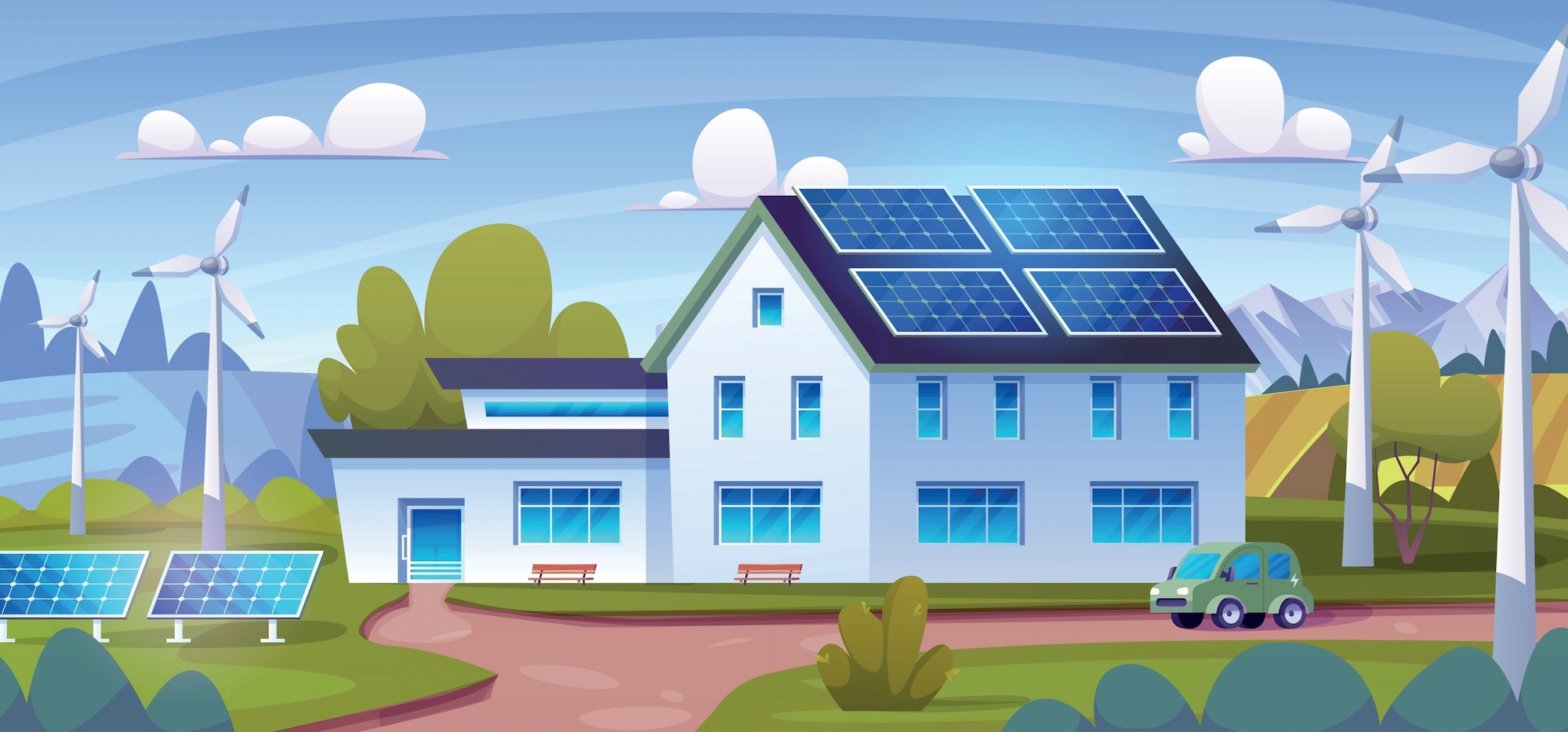
Growth in wind and solar generation means that energy systems across the world will become very dependent on the weather, particularly in the case of wind and solar. This uptake is partially due to cost reductions in wind and solar equipment, which sometimes make them cheaper than fossil fuels. These shortfalls in weather dependability can be addressed with storage solutions, allowing energy to be stored during high generation periods and utilised during crashes. One solution could be demand-side responses, which utilise smart charging of electric vehicles to help balance the grid.
Declining system inertia is another key issue with an increase in renewable energy.
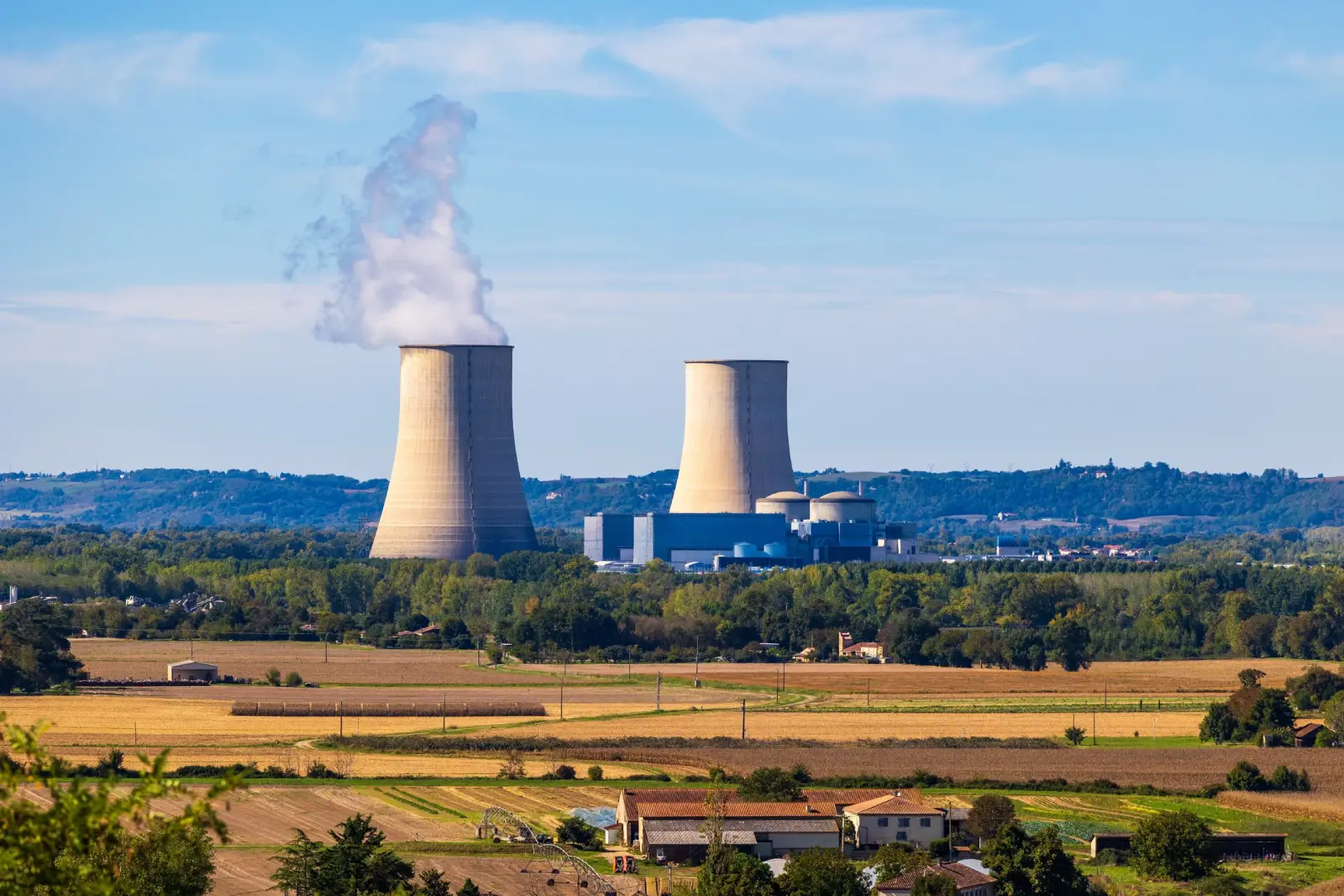
Synchronous inertia is what we call the useful kinetic energy stored in the rotating heavy rotors of nuclear and fossil fuel plants, which is used to stabilise the grid. Renewable energy is decoupled from the grid, and so cannot do the same. This can result in grid frequency dropping and result in automatic load shedding to stop blackouts from occurring.
The transition to renewable energy can increase imbalance and volatility risk, as weather-dependent generation can drop if the weather doesn't behave as expected. This, coupled with an increase in Electric vehicles (EVs) and heat pumps, can result in drops in generation combined with spikes in demand.
Types of flexible assets
There are a number of types of flexible assets to create flexible power systems:
1. Batteries (fast response, short duration)
These are key technologies in efforts to move the grid towards a more flexible model. They can prevent blackouts during low renewable generation and can ramp up quickly to meet demand.
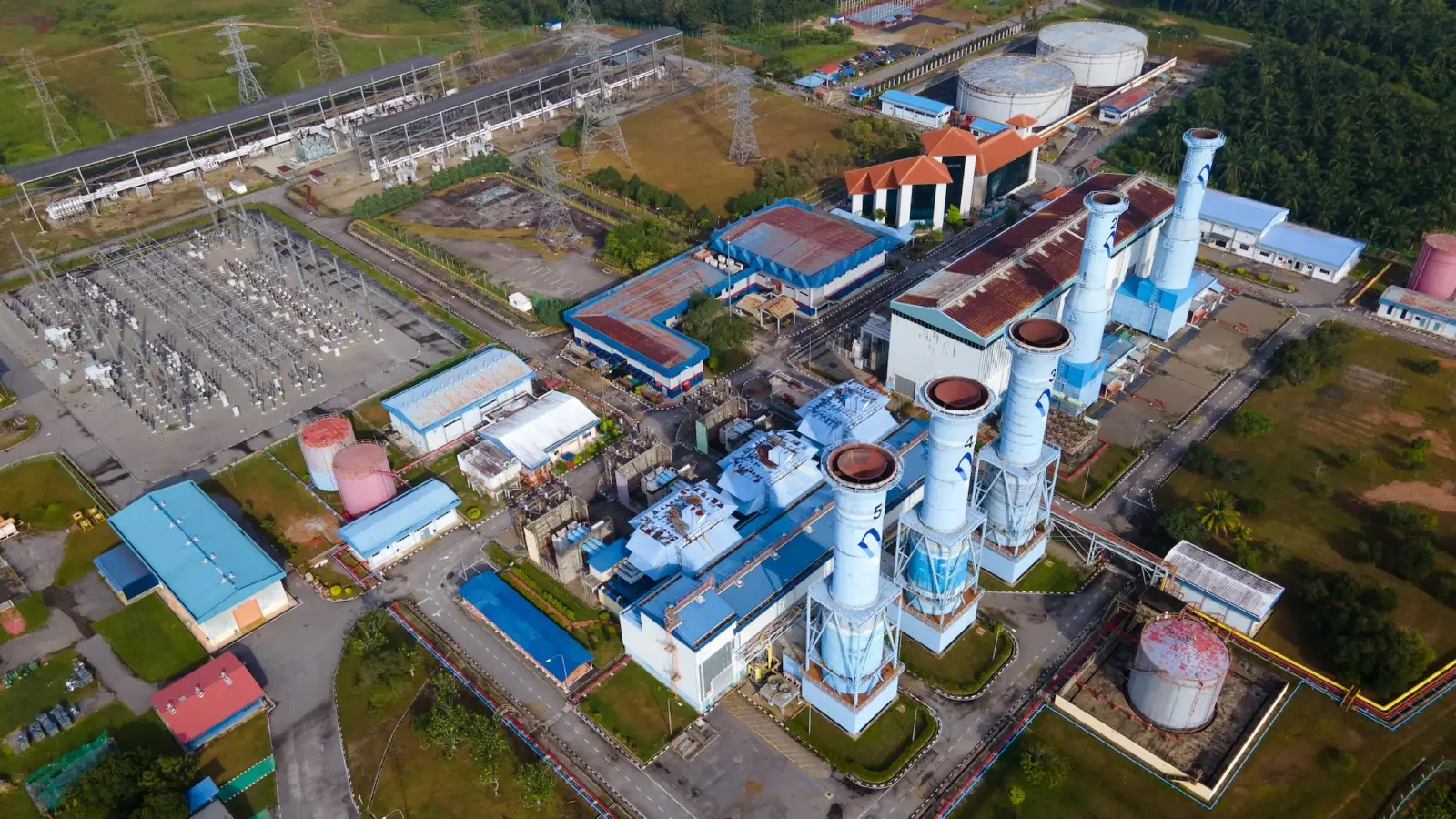
2. Gas peakers (dispatchable generation)
These can be turned on or off, balancing increases or decreases in demand or renewable supply. This is particularly useful during peak demand periods or when renewable generation conditions are poor.
3. Hydro storage (multi-hour flexibility)
A larger-scale way to shift energy is hydropower, which can help balance demand over longer periods, such as seasonal demand. It provides high levels of flexibility, but its shortfall is in water cycles and geography.
4. Demand response (load shifting)
Grid signals, which can be managed by aggregators, cause residential, commercial, or industrial users to shift their energy consumption. This could be through Industrial Load Shifting, Electric vehicles (EVs) acting as a connected network of batteries, or
Smart appliances, such as heat pumps, can help residential users to reduce home consumption.
How flexibility drives price formation
Reducing scarcity pricing in some periods
Flexibility in the grid can help to smooth out price spikes, also known as scarcity pricing. This can be done by balancing some of the biggest contributors to the grid's pricing, such as industrial activity and EV charging, which can overload the grid. Conversely, we also rely on high-demand assets such as heat pumps to stop negative pricing. Balancing the grid in this way allows us to reduce blackouts and spikes, increasing system resiliency.
Amplifying volatility in others
However, flexibility can also cause price volatility. Gaps between low and high levels of renewable energy can narrow, making it harder for the intraday market to balance.
Batteries can exacerbate price spreads by buying energy at low prices and selling it at high ones, which can upset the rest of the market during price spikes.
Implications for traders and portfolios
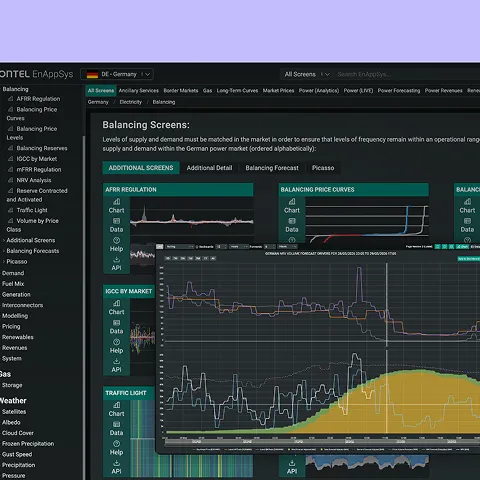
To trade in a flexible market, traders have to switch from daily average forecasting to real-time monitoring. When inaccurate forecasts cause imbalances, traders can use intraday markets to smooth things out. Traders can also utilise AI and algorithmic trading to execute high-frequency trading.
Flexible portfolios are desirable because they are better able to weather changing market dynamics, as well as reduce risk.