








Can Hydrogen make air travel more eco-friendly?
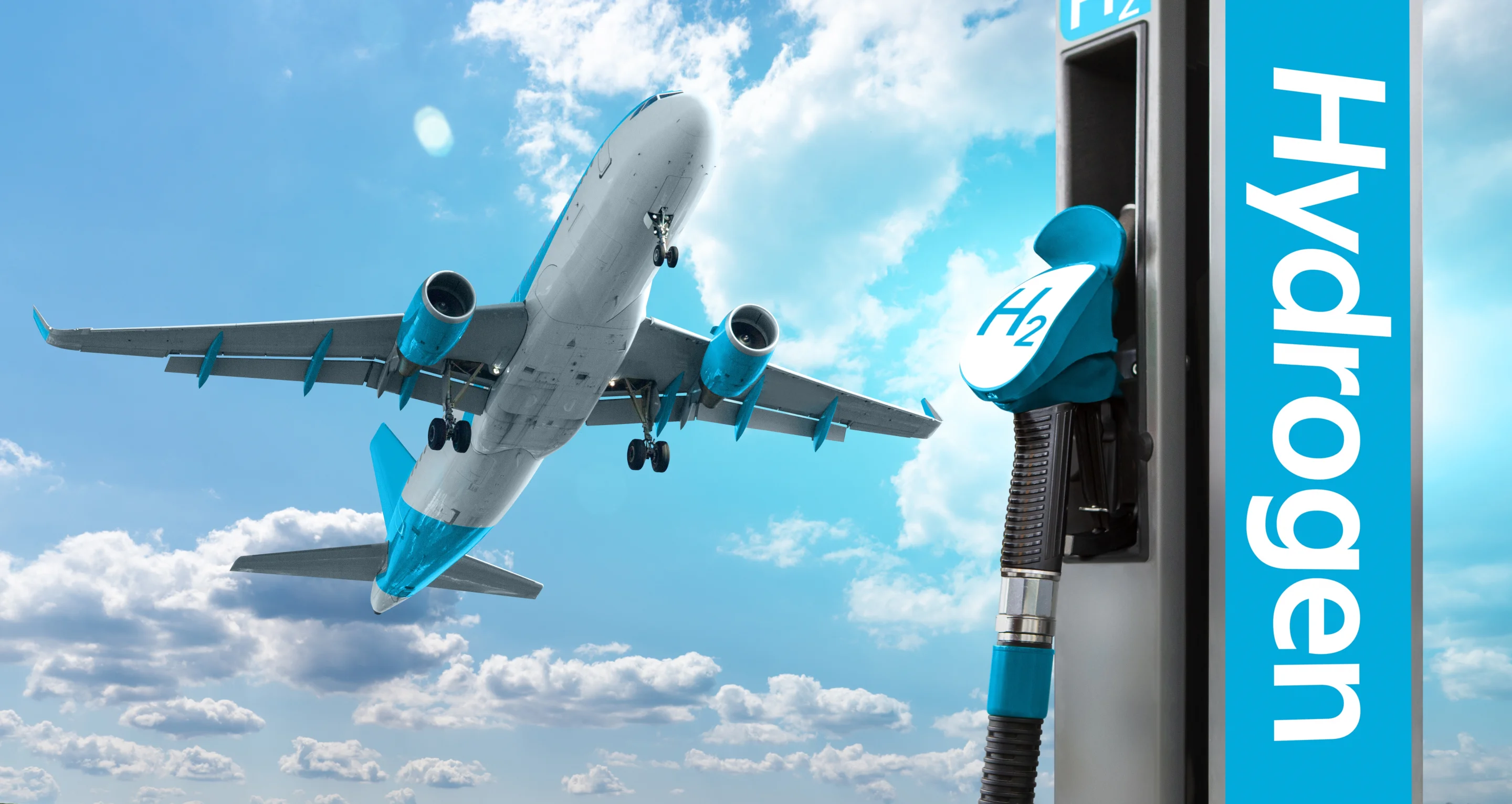
Air travel has long been a major contributor to global greenhouse gas emissions. As the world looks for sustainable alternatives to fossil fuels, hydrogen has emerged as a promising contender in the quest to decarbonize aviation. But can hydrogen really make air travel more eco-friendly? Let’s explore the potential, challenges, and future of hydrogen in aviation.
Why does aviation need a cleaner fuel alternative?
The aviation industry is responsible for around 2.5% of global CO₂ emissions, but its climate impact is far greater due to contrails and nitrogen oxides emitted at high altitudes. With passenger numbers expected to double by 2050, emissions could rise significantly if no sustainable solutions are adopted. Traditional jet fuel is carbon-intensive, and while efforts like carbon offsetting and fuel efficiency have helped, they don’t eliminate emissions at the source.
This is where hydrogen could play a transformative role.
What makes Hydrogen a promising aviation fuel?
Hydrogen is the most abundant element in the universe and offers zero emissions at the point of use when used in fuel cells or burned in modified engines. It has a high energy content per kilogram—about three times more than jet fuel—making it especially attractive for aviation, where weight is a key concern.
There are two main ways hydrogen can be used in aviation:
- Combustion in modified jet engines: Similar to how current aircraft operate, but with fewer CO₂ emissions.
- Fuel cells to generate electricity: Powering electric motors to drive propellers, resulting in only water vapor as a byproduct.
Types of Hydrogen and sustainability concerns
Not all hydrogen is created equal. The environmental impact of hydrogen depends largely on how it's produced:
- Grey hydrogen is made from fossil fuels and emits CO₂.
- Blue hydrogen includes carbon capture to reduce emissions.
- Green hydrogen is produced via electrolysis using renewable electricity and is the cleanest form.
For hydrogen to truly make air travel eco-friendly, it must be green hydrogen. Fortunately, advancements in renewable energy and electrolyser technology are gradually making green hydrogen more cost-competitive.
Current projects and innovations in Hydrogen aviation
Several companies and initiatives are already developing hydrogen-powered aircraft:
1. Airbus ZEROe concept
Airbus aims to launch the world’s first commercial hydrogen aircraft by 2035. Its ZEROe program includes three aircraft concepts, all powered by hydrogen combustion or fuel cells. This bold commitment positions Airbus as a leader in aviation decarbonisation.
2. ZeroAvia
ZeroAvia successfully completed a hydrogen-electric flight of a 6-seater aircraft in 2020 and aims to scale up to commercial regional flights by 2025. Their hydrogen fuel cell technology is promising for short-haul, low-capacity flights.
3. Universal Hydrogen
This U.S.-based startup is working on modular hydrogen capsules to make refuelling simpler and more scalable. Their retrofitting strategy also allows existing regional aircraft to transition to hydrogen.
Challenges to Hydrogen adoption in aviation
Despite its promise, hydrogen aviation faces several hurdles:
1. Storage and infrastructure
Hydrogen needs to be stored either as a gas at high pressure or a liquid at extremely low temperatures (-253°C). Both options require new aircraft designs and extensive airport infrastructure upgrades.
2. Volume and energy density
While hydrogen is energy-dense by weight, it's less dense by volume than jet fuel. Aircraft will need larger fuel tanks or innovative designs to accommodate this.
3. Cost
Green hydrogen is currently more expensive than jet fuel or even sustainable aviation fuels (SAFs). It will require substantial investment, subsidies, and economies of scale to become commercially viable.
4. Regulatory and Safety Standards
Hydrogen is flammable and demands stringent safety regulations and updated international aviation standards. Governments and regulatory bodies must develop and harmonise guidelines for hydrogen use.
Comparing Hydrogen with other sustainable aviation options
While hydrogen is gaining momentum, other low-carbon aviation fuels and technologies are also in play:
Hydrogen stands out for longer-term potential in mid-to-long haul flights, where batteries fall short and SAFs don’t fully eliminate emissions.
The role of policy and investment
The successful adoption of hydrogen in aviation depends on coordinated global action. Key enablers include:
- Public investment in hydrogen production and refuelling infrastructure
- Tax incentives and subsidies for green hydrogen use
- R&D funding for aircraft manufacturers and hydrogen startups
- Clear emissions regulations and mandates for clean fuel adoption
Governments and international bodies like the International Civil Aviation Organisation (ICAO) and European Union have started promoting hydrogen as part of their net-zero aviation strategies, but more concrete steps are needed.
What the Future Holds: A Hydrogen-Powered Skies?
While widespread hydrogen-powered commercial flights are likely at least a decade away, regional flights powered by hydrogen fuel cells could become commonplace by the late 2020s. As technology matures, production scales up, and infrastructure evolves, hydrogen could gradually replace kerosene in larger aircraft as well.
By 2040 to 2050, hydrogen could contribute to significant emissions reductions in aviation—especially if paired with continued progress in renewables and global climate policies.
Hydrogen has the potential to revolutionise the aviation industry by offering a clean, efficient alternative to fossil fuels. While technical and economic challenges remain, the trajectory is promising. With innovation, investment, and policy support, hydrogen could indeed make air travel far more eco-friendly in the years to come.