





Back to Resources
Power market
Explore the evolving energy market with expert analysis, data-driven insights, and forecasts to help you navigate trends, pricing shifts, and strategic opportunities.

Last article
October 20, 2026
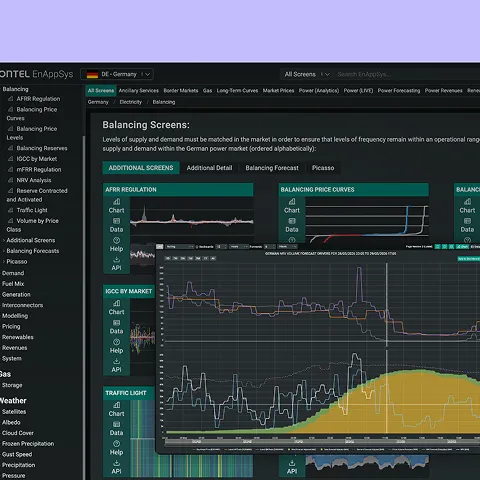
Power trading portfolio optimisation explained: from positions to strategy
Power trading portfolio optimisation is central to modern electricity trading strategies. Traders no longer focus on isolated positions in one market or timeframe. Instead, they continuously balance spot exposure, intraday opportunities, forward hedges, ancillary participation, and cross-commodity relationships within a single, integrated portfolio.
9
min read
Read more
Latest articles
Explore the energy market with expert analysis, insights, and forecasts to navigate trends and opportunities.
October 20, 2026
Power trading portfolio optimisation explained: from positions to strategy
Power trading portfolio optimisation is central to modern electricity trading strategies. Traders no longer focus on isolated positions in one market or timeframe. Instead, they continuously balance spot exposure, intraday opportunities, forward hedges, ancillary participation, and cross-commodity relationships within a single, integrated portfolio.
9
min read
Read more
October 19, 2026
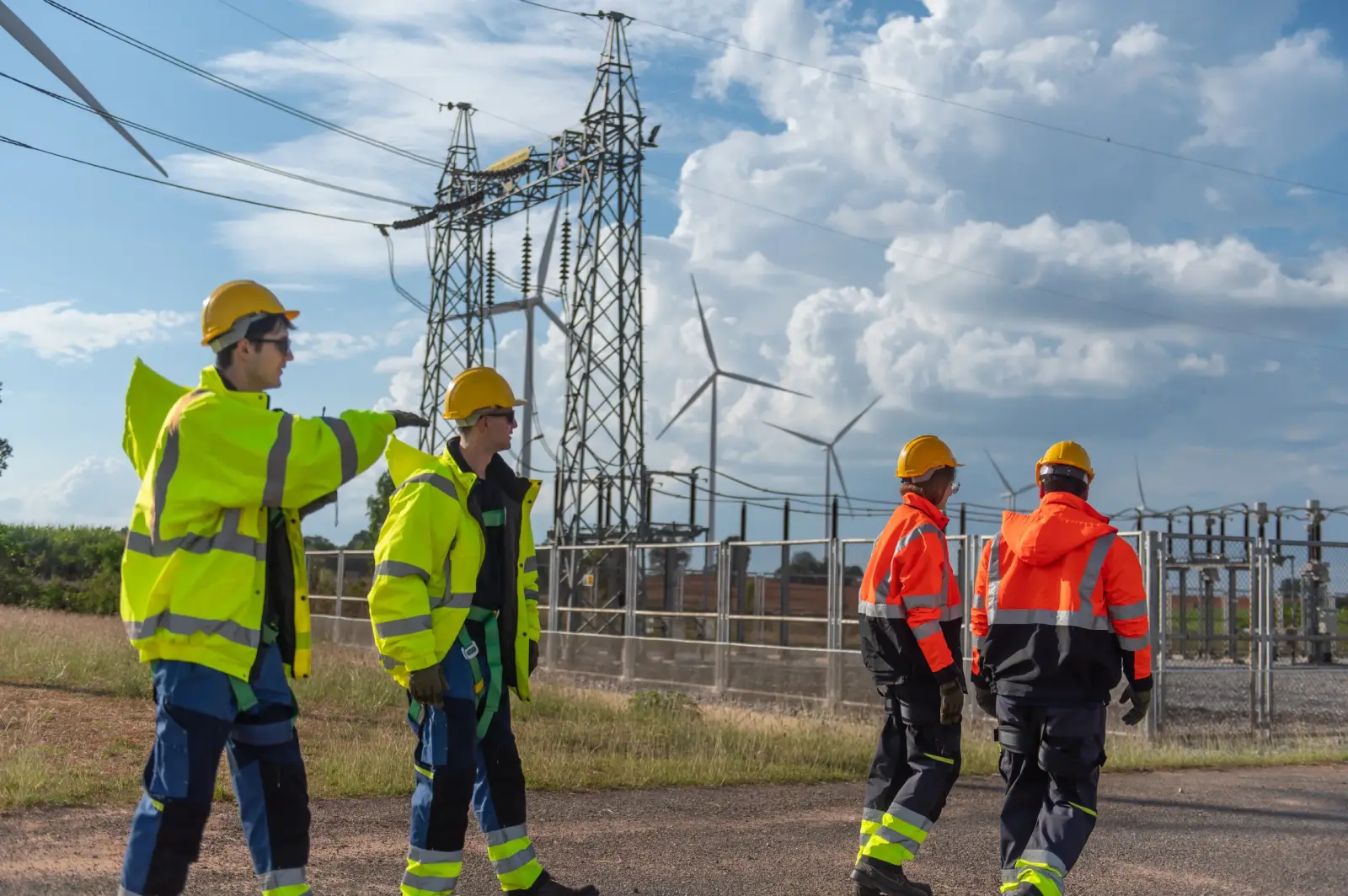
What are grid connection queues, and why are they delaying the energy transition?
A grid connection queue is the list of projects waiting for permission to plug into the network, and the date it gives each one decides when it can start earning. For most of the past decade, generation cost was the binding constraint on the energy transition, now it's the network itself, and the queue is where that mismatch shows up.
8
min read
Read more
October 18, 2026
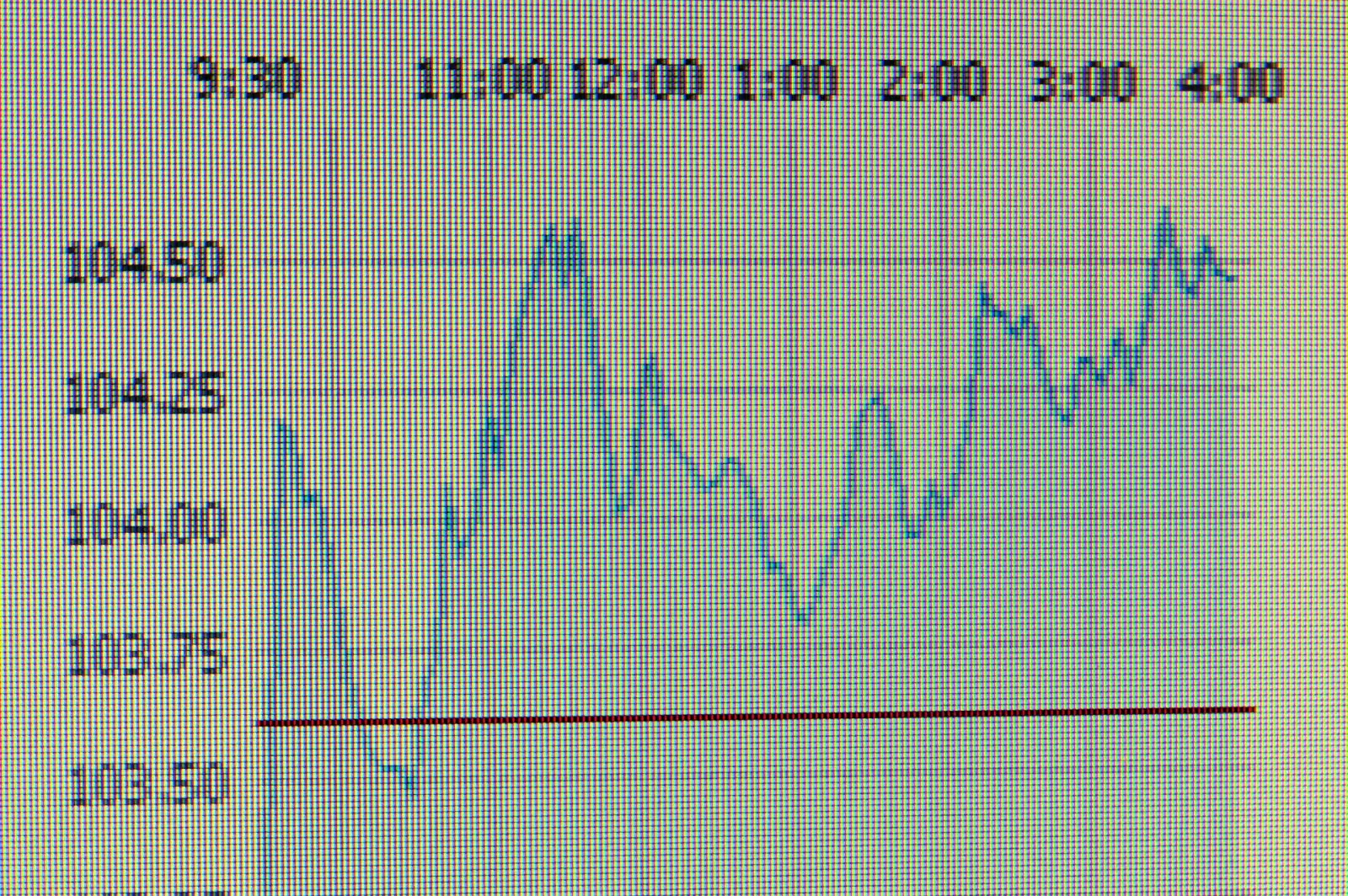
How to read a power forward curve and what it signals about future prices
A power forward curve reflects the market's present expectations of supply, demand and fuel costs for future delivery, plus the risk premium participants need to lock in a price now, rather than a forecast of where spot will land. Here's how to read its shape, from contango and backwardation to seasonal patterns, and what each says about the drivers behind it.
7
min read
Read more
March 3, 2026
Denmark and its neighbours: Flows, spreads and the impact of flow-based coupling
Denmark’s power prices do not move in isolation. Over the past year, shifts in flow-based market coupling, cross-border constraints and rising wind output have reshaped day-ahead and intraday dynamics. This analysis explores how prices, spreads and flows between DK1, Germany and the Netherlands interact and what upcoming changes in CORE could mean for market participants.
11
min read
Read more
February 8, 2026
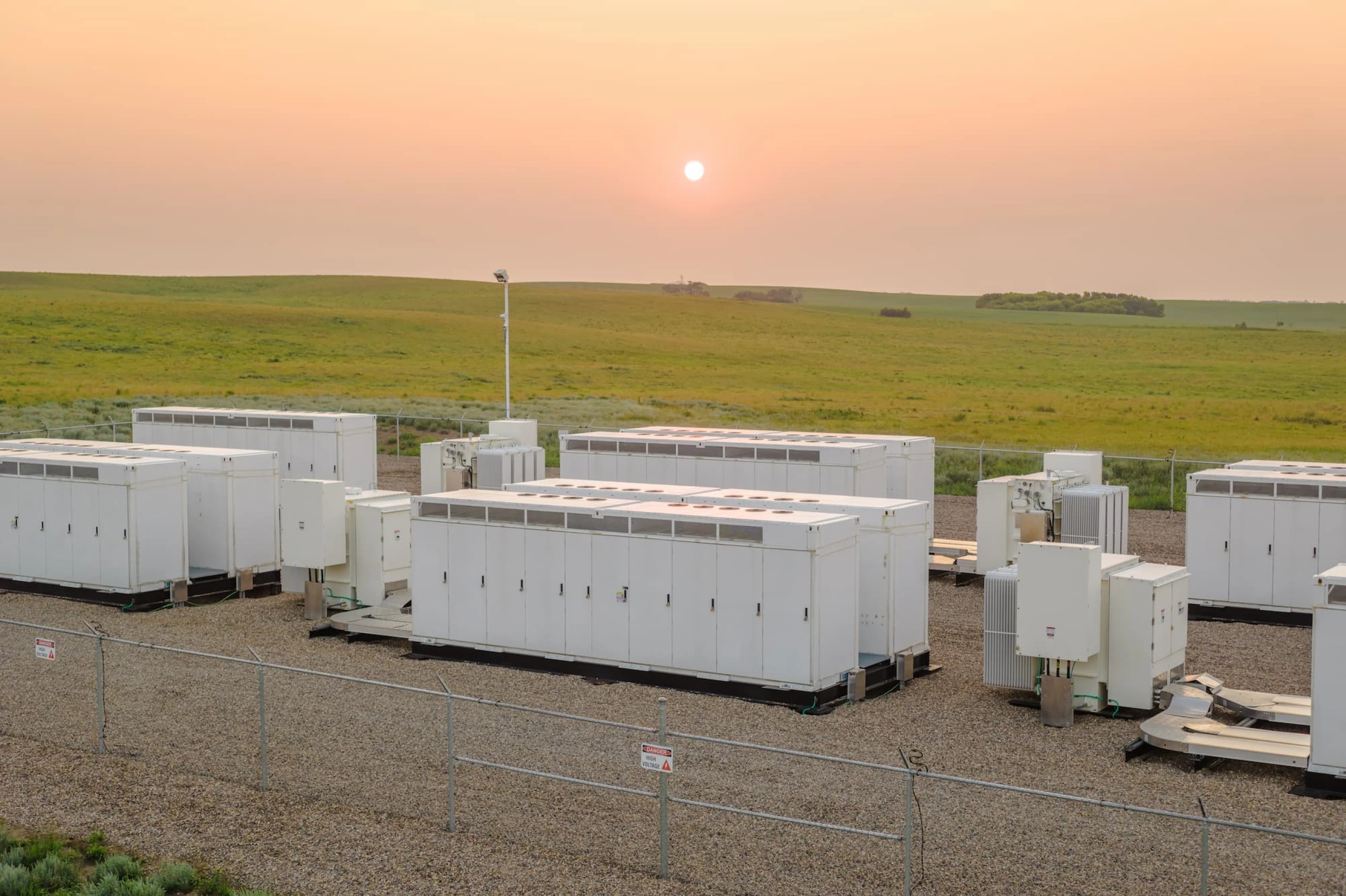
How battery storage expansion in Germany will affect power prices
Battery energy storage systems (BESS) are becoming increasingly important in the German power market. A look at the ‘Marktstammdatenregister’ of the Federal Network Agency (‘Bundesnetzagentur’) shows that the market has developed rapidly in recent years.
9
min read
Read more

February 4, 2026
Trading and risk management in volatile intraday power markets
In intraday trading, playing the long game does not work as it does in other trading types, such as day-ahead. Traders need to leave static strategies behind and switch to short-term views, utilising technologies such as automation and machine learning. Intraday markets are volatile environments to trade in, driven by the intermittency of renewable energy. This can cause huge drops or spikes in pricing, and it can be difficult to navigate this playing field and make a profit.
4
min read
Read more

February 3, 2026
Liquidity and order books during volatile intraday conditions
In energy trading, the price and the speed at which assets can be sold are critical factors in a market participant's success and profit. This element of speed in selling energy is what's known as liquidity. The more stable, larger transactions with little impact on price are considered high liquidity and what most traders aim for in successful energy sales. Intraday liquidity refers to readily available collateral during a trading day: the more collateral, the more nimble market participants can be in responding to market conditions.
4
min read
Read more

January 26, 2026
Trading and risk management during system stress events
System stress events are moments when power trading shifts from optimisation to risk containment. Prices accelerate, liquidity evaporates, correlations jump, and a small number of hours can dominate an entire month’s profit and loss (P&L). This blog is a practical playbook for operating in those conditions. It focuses on how stress regimes differ from normal markets, what that means for sizing and execution, how to think in scenarios rather than forecasts, and how organisations should learn once the dust settles.
4
min read
Read more

January 23, 2026
Forecast uncertainty and system stress: why reliability becomes probabilistic
Forecasts form a core component of modern power markets. However, as systems rely more on weather conditions and less on dispatchable capacity, accuracy alone is insufficient. Instead, forecast uncertainty is becoming a key factor influencing prices and risk. This blog clarifies the difference between uncertainty and inaccuracy, illustrating how uncertainty increases system stress and tail risk. It introduces probabilistic thinking as a practical tool for trading.
4
min read
Read more
Insights. Strategy.
Thought leadership that drives results.
In-depth analyses and expert insights from industry veterans shaping the conversation.

André Bosschaart
Battery storage

Priyanka Shinde
Nordic analytics

Felix Lohmeyer
Price forward curves

Fintan Devenney
GB and Irish power

Josephine Steppat
PPAs and scenarios

Ben Wrigley
Benelux power curve

Liubov Koroleva
Nordic power

Marc Hasenbeck
Risk and valuation