





Back to Resources
Energy Prices
Explore the evolving energy market with expert analysis, data-driven insights, and forecasts to help you navigate trends, pricing shifts, and strategic opportunities.

Last article
October 20, 2026
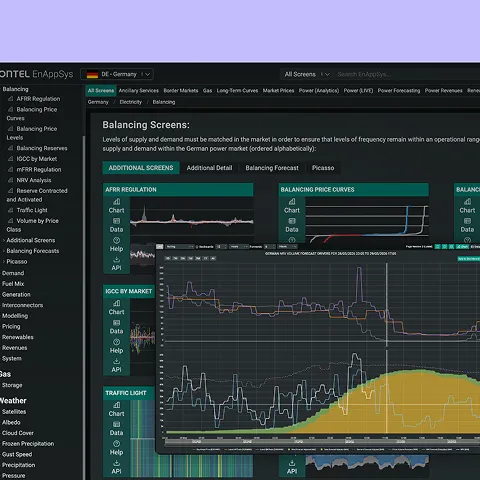
Power trading portfolio optimisation explained: from positions to strategy
Power trading portfolio optimisation is central to modern electricity trading strategies. Traders no longer focus on isolated positions in one market or timeframe. Instead, they continuously balance spot exposure, intraday opportunities, forward hedges, ancillary participation, and cross-commodity relationships within a single, integrated portfolio.
9
min read
Read more
Latest articles
Explore the energy market with expert analysis, insights, and forecasts to navigate trends and opportunities.
October 20, 2026
Power trading portfolio optimisation explained: from positions to strategy
Power trading portfolio optimisation is central to modern electricity trading strategies. Traders no longer focus on isolated positions in one market or timeframe. Instead, they continuously balance spot exposure, intraday opportunities, forward hedges, ancillary participation, and cross-commodity relationships within a single, integrated portfolio.
9
min read
Read more

October 19, 2026
What are grid connection queues, and why are they delaying the energy transition?
A grid connection queue is the list of projects waiting for permission to plug into the network, and the date it gives each one decides when it can start earning. For most of the past decade, generation cost was the binding constraint on the energy transition, now it's the network itself, and the queue is where that mismatch shows up.
8
min read
Read more
October 18, 2026
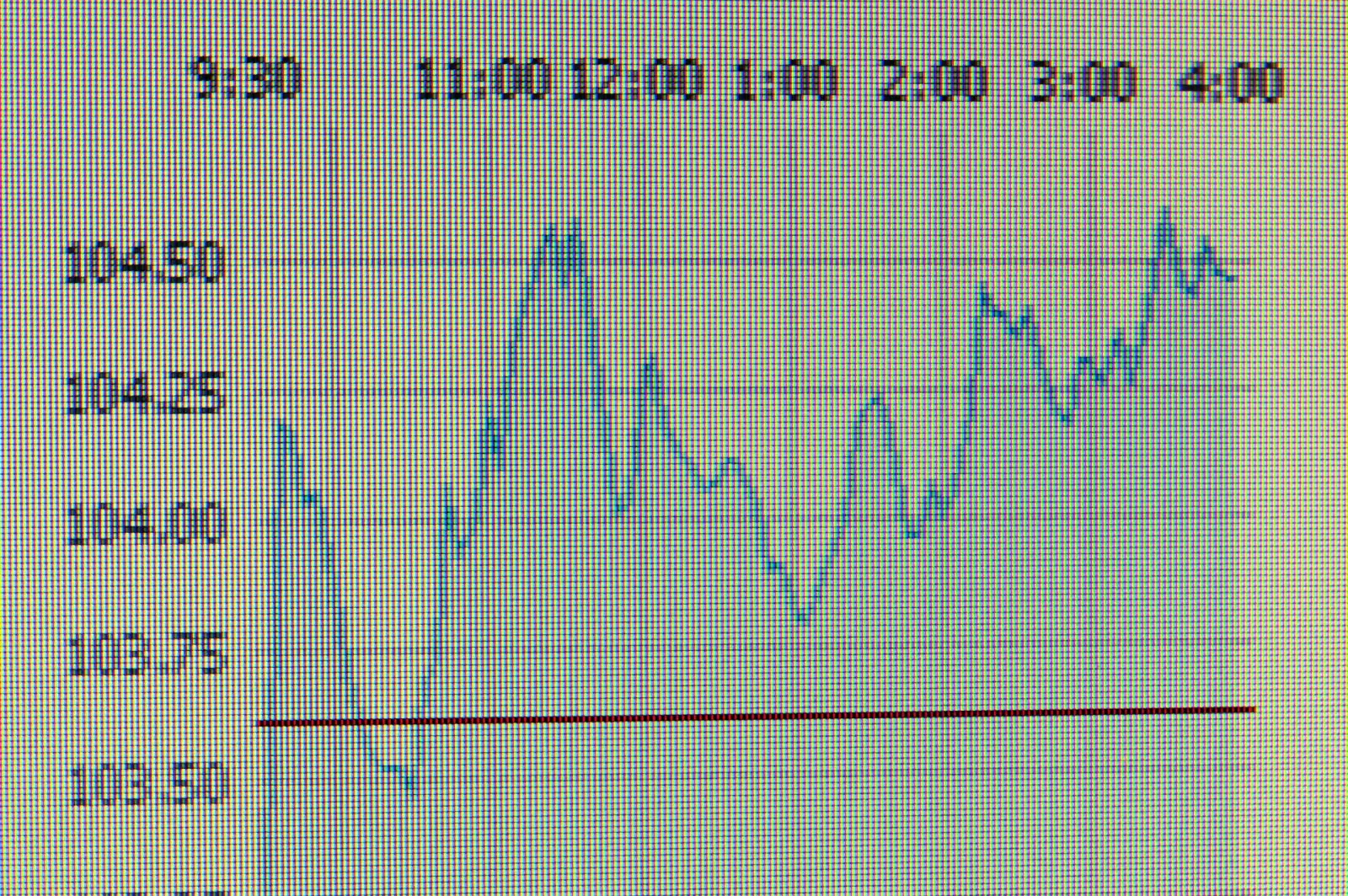
How to read a power forward curve and what it signals about future prices
A power forward curve reflects the market's present expectations of supply, demand and fuel costs for future delivery, plus the risk premium participants need to lock in a price now, rather than a forecast of where spot will land. Here's how to read its shape, from contango and backwardation to seasonal patterns, and what each says about the drivers behind it.
7
min read
Read more

October 13, 2025
How can you avoid penalties in Capacity Markets?
Capacity markets ensure that enough generation, storage, and demand response capacity is available during system stress. While the financial incentives can be appealing, they come with conditions: failing to meet commitments results in penalties that can quickly reduce profits. Therefore, avoiding these penalties is crucial not just for protecting revenue, but also for maintaining trust with regulators, system operators, and investors.
4
min read
Read more

October 10, 2025
What is the Ofgem price cap and its effects?
Rising energy bills have become a major concern for UK households recently, as unpredictable wholesale markets and supplier failures affect consumers and the overall system. To provide some security, Ofgem implemented the energy price cap in 2019. Although frequently covered in the media, many people misunderstand how the cap functions and what it means for households, suppliers, and the market.
4
min read
Read more
October 9, 2025
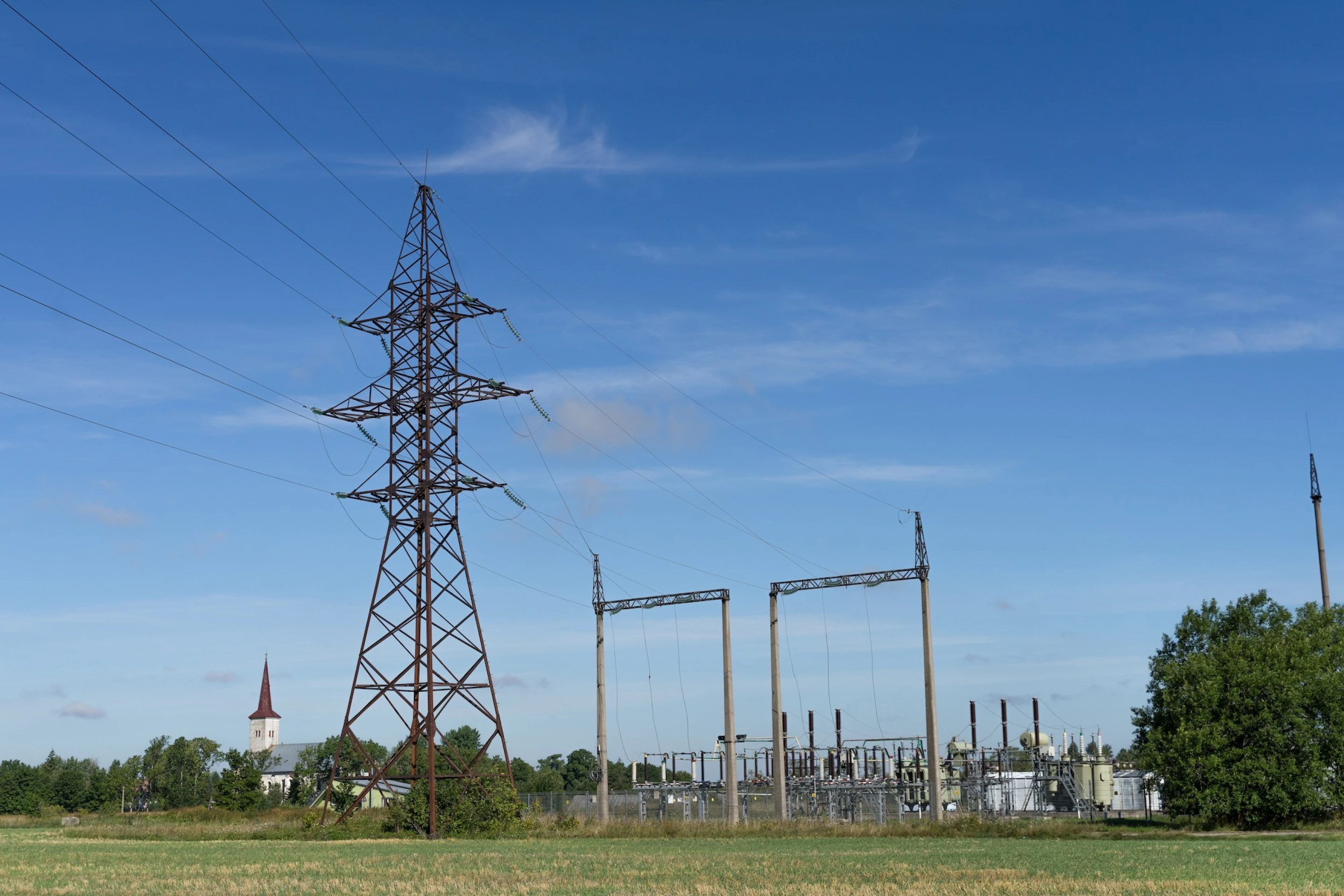
How does grid congestion affect energy supply in Europe?
Europe’s energy transition is accelerating, with renewable capacity expanding faster than grid infrastructure can keep up. This swift shift has highlighted a growing challenge: grid congestion. Transmission bottlenecks increasingly hinder low-cost renewable generation from reaching demand centres, causing curtailment, redispatch, and price distortions. For market participants, congestion is no longer a minor technical issue but a key factor influencing revenues, risks, and system costs. Understanding how congestion works, its impact on supply and markets, and the emerging solutions is crucial for navigating Europe’s changing energy landscape.
5
min read
Read more

October 8, 2025
What factors influence carbon prices in energy markets?
Carbon pricing is a key tool for guiding energy markets toward decarbonisation. By assigning a cost to emissions, policymakers motivate industries to cut carbon emissions and invest in cleaner technologies. However, carbon prices fluctuate due to regulation, market structure, energy fundamentals, and trading activity. For those involved in compliance schemes, such as the EU Emissions Trading System (EU ETS), or voluntary markets, understanding the factors that influence carbon prices is crucial for effective risk management, procurement timing, and the development of successful hedging strategies.
5
min read
Read more
October 6, 2025
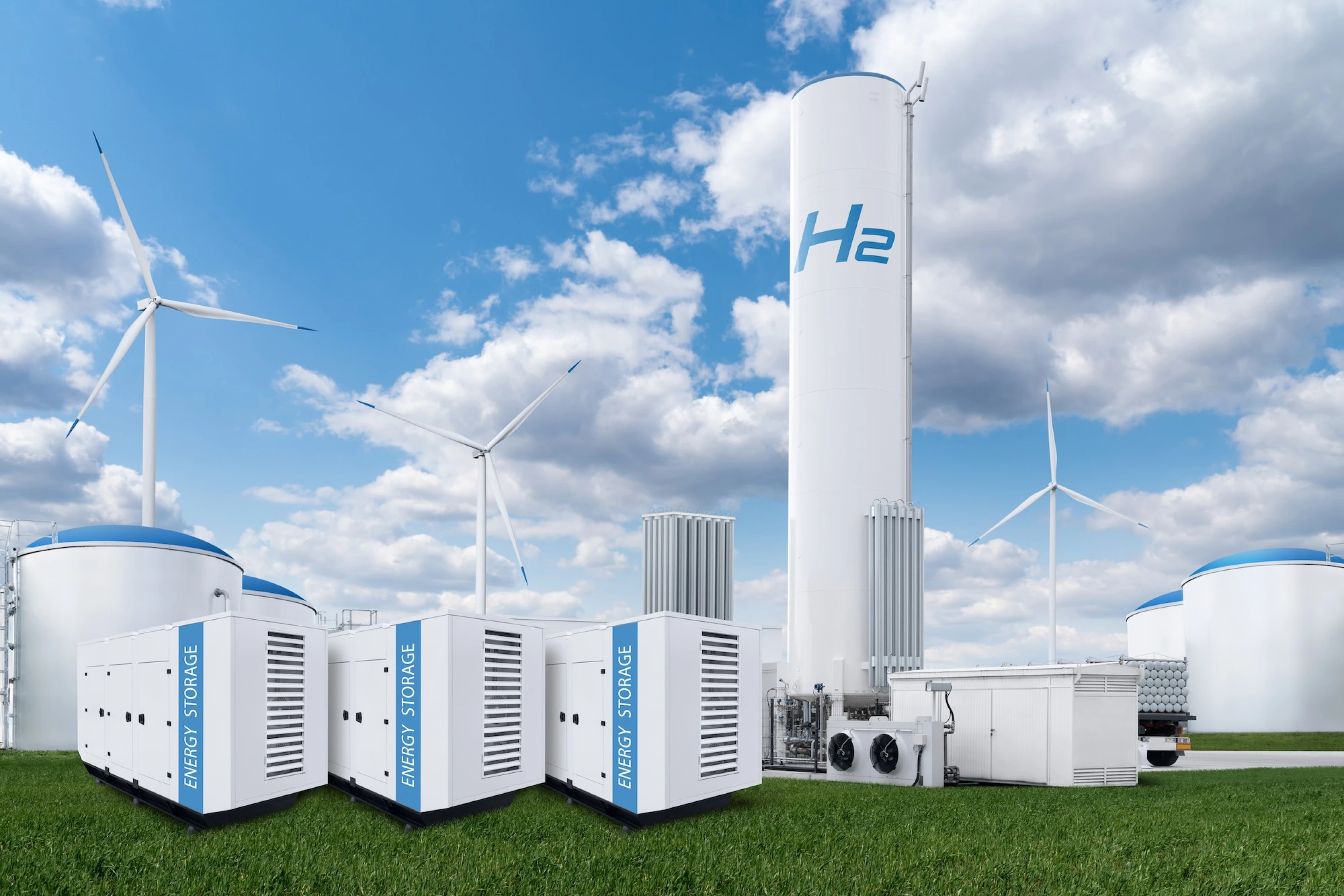
Which is better: batteries or hydrogen storage?
As our global grid begins to modernise, more and more renewable energy sources are being integrated. But renewable sources are also volatile sources, which means energy storage is required to balance periods of high output with periods of lower output, and this is where batteries step in.
5
min read
Read more

September 25, 2025
How are energy price indexes used in global markets?
Energy price indexes track costs and volatility, steer hedging and procurement, shape PPAs and accounting, and guide utilities, corporates and traders at scale.
5
min read
Read more
Insights. Strategy.
Thought leadership that drives results.
In-depth analyses and expert insights from industry veterans shaping the conversation.

André Bosschaart
Battery storage

Priyanka Shinde
Nordic analytics

Felix Lohmeyer
Price forward curves

Fintan Devenney
GB and Irish power

Josephine Steppat
PPAs and scenarios

Ben Wrigley
Benelux power curve

Liubov Koroleva
Nordic power

Marc Hasenbeck
Risk and valuation