





Back to Resources
Analytics
Explore the evolving energy market with expert analysis, data-driven insights, and forecasts to help you navigate trends, pricing shifts, and strategic opportunities.

Last article
October 20, 2026
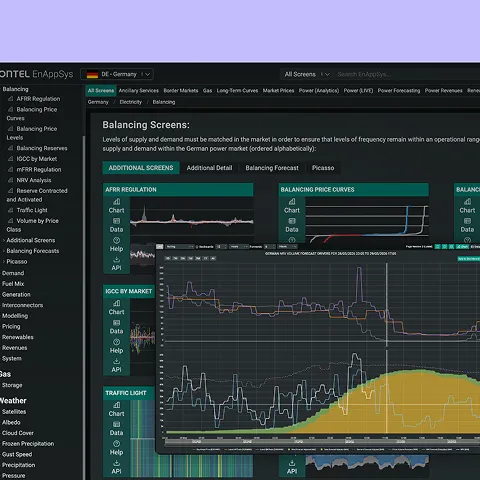
Power trading portfolio optimisation explained: from positions to strategy
Power trading portfolio optimisation is central to modern electricity trading strategies. Traders no longer focus on isolated positions in one market or timeframe. Instead, they continuously balance spot exposure, intraday opportunities, forward hedges, ancillary participation, and cross-commodity relationships within a single, integrated portfolio.
9
min read
Read more
Latest articles
Explore the energy market with expert analysis, insights, and forecasts to navigate trends and opportunities.
October 20, 2026
Power trading portfolio optimisation explained: from positions to strategy
Power trading portfolio optimisation is central to modern electricity trading strategies. Traders no longer focus on isolated positions in one market or timeframe. Instead, they continuously balance spot exposure, intraday opportunities, forward hedges, ancillary participation, and cross-commodity relationships within a single, integrated portfolio.
9
min read
Read more
October 19, 2026
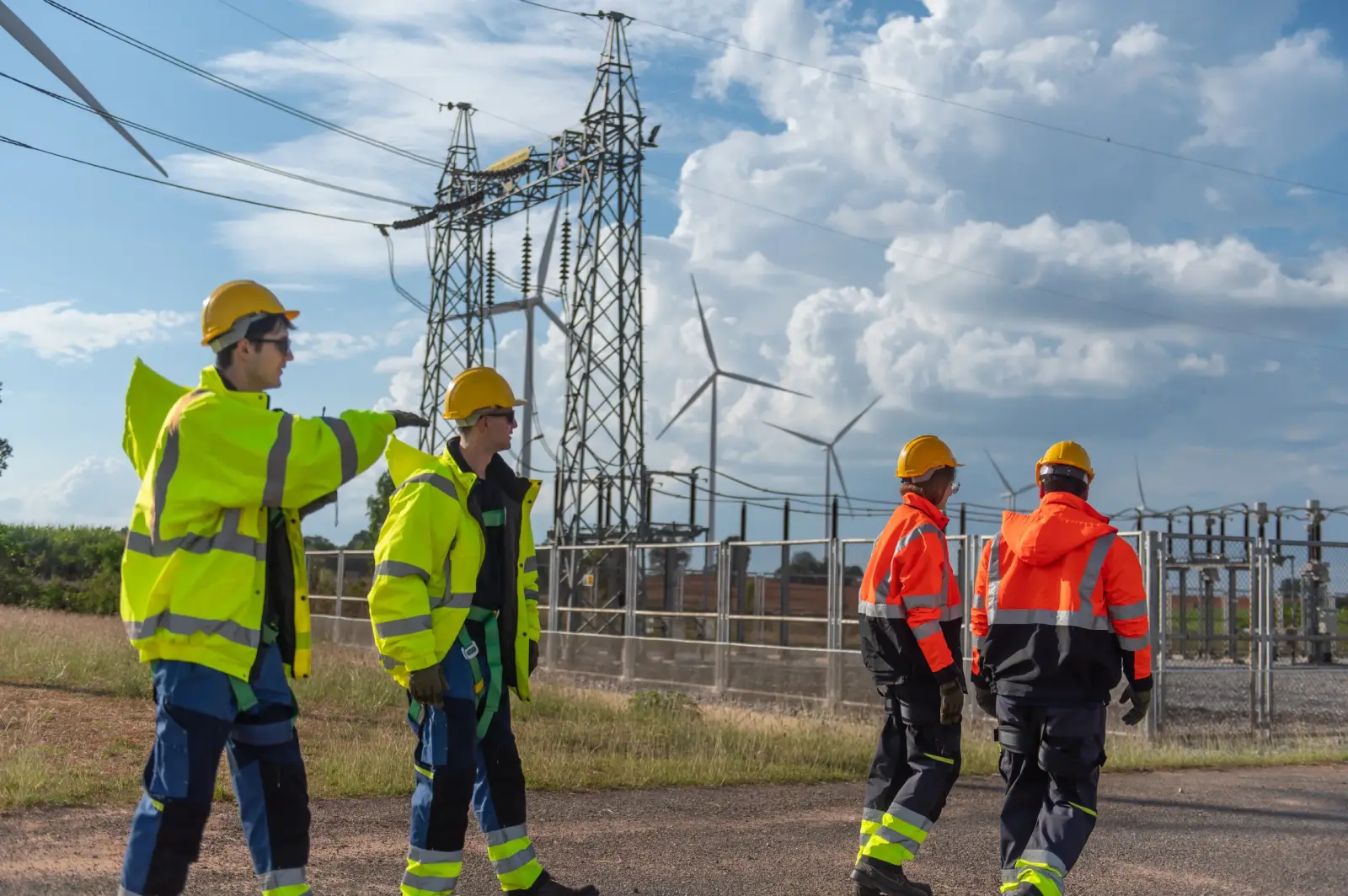
What are grid connection queues, and why are they delaying the energy transition?
A grid connection queue is the list of projects waiting for permission to plug into the network, and the date it gives each one decides when it can start earning. For most of the past decade, generation cost was the binding constraint on the energy transition, now it's the network itself, and the queue is where that mismatch shows up.
8
min read
Read more
October 18, 2026
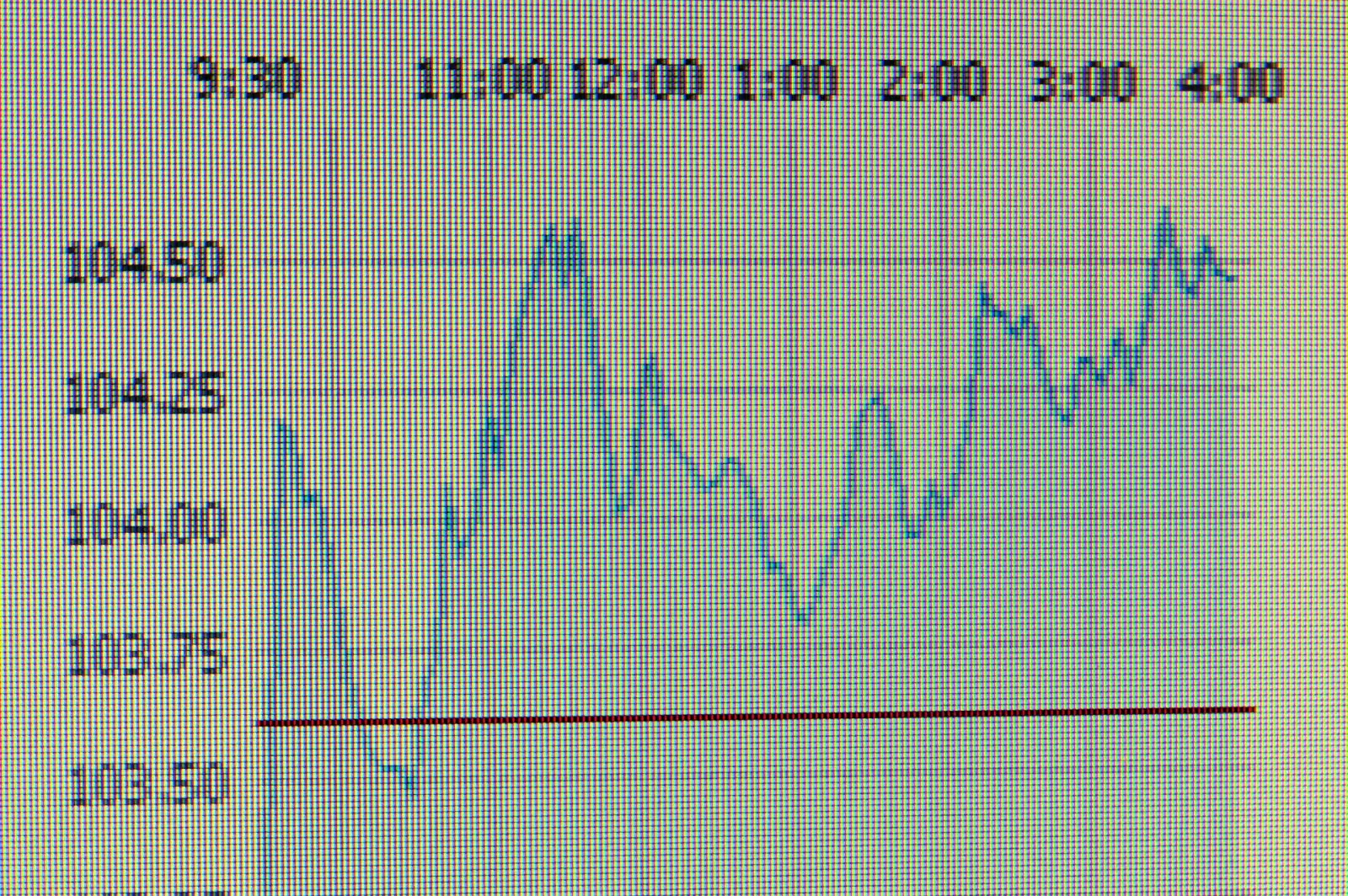
How to read a power forward curve and what it signals about future prices
A power forward curve reflects the market's present expectations of supply, demand and fuel costs for future delivery, plus the risk premium participants need to lock in a price now, rather than a forecast of where spot will land. Here's how to read its shape, from contango and backwardation to seasonal patterns, and what each says about the drivers behind it.
7
min read
Read more

February 3, 2026
Liquidity and order books during volatile intraday conditions
In energy trading, the price and the speed at which assets can be sold are critical factors in a market participant's success and profit. This element of speed in selling energy is what's known as liquidity. The more stable, larger transactions with little impact on price are considered high liquidity and what most traders aim for in successful energy sales. Intraday liquidity refers to readily available collateral during a trading day: the more collateral, the more nimble market participants can be in responding to market conditions.
4
min read
Read more

February 2, 2026
Intraday spreads and volatility: peak, off-peak and regional effects
In an environment where most variables, such as the amount of renewable energy generated during a certain period, are unpredictable, the ability to identify patterns is useful. The unpredictability of renewable energy has a marked effect on intraday trading, but many patterns are predictable, including U-shaped ones that are easy to identify.
5
min read
Read more

January 30, 2026
Solar generation and intraday volatility: ramps, clouds and price shocks
Renewable energy relies on harnessing the power of the weather, which can result in unpredictable amounts of energy available to serve the grid, making trading this commodity difficult. Solar, in particular, presents its own trading challenges, especially in intraday trading, due to its high volatility.
4
min read
Read more

January 29, 2026
Wind-driven intraday volatility: patterns, risks and opportunities
Renewable energy is, by its nature, intermittent. It relies on the weather to generate energy, and so it is at the mercy of natural elements. Wind energy is particularly susceptible to these effects, with prices rising and falling as wind levels do. When. When wind levels rise or fall, uncertainty is introduced, and prices become volatile for short 5-minute periods throughout the trading day. Pricing must be increased or decreased to deal with this uncertainty.
4
min read
Read more

January 28, 2026
Intraday volatility in power markets explained: the renewable effect
In the power market, pricing is often open to extreme changes in pricing. When this occurs on the day of delivery, within a single day of trading, we call it intraday volatility. Renewables amplify intraday price movements because they can’t be generated as consistently or steadily as fossil fuels. As renewables slowly replace fossil fuels, intraday volatility becomes more pronounced.
4
min read
Read more

January 27, 2026
Renewable forecast errors: the primary driver of intraday price swings
Renewable energy is in itself an intermittent source of power, and this unpredictability can have an effect on intraday price swings elsewhere in the market. As renewable energy becomes a preferred power source, it will become less and less likely that traders can rely on static techniques utilising end-of-day balancing and they will have to build in flexible, continuous monitoring of market signals throughout the day, adjusting to the performance of various renewable technologies.
4
min read
Read more
Insights. Strategy.
Thought leadership that drives results.
In-depth analyses and expert insights from industry veterans shaping the conversation.

André Bosschaart
Battery storage

Priyanka Shinde
Nordic analytics

Felix Lohmeyer
Price forward curves

Fintan Devenney
GB and Irish power

Josephine Steppat
PPAs and scenarios

Ben Wrigley
Benelux power curve

Liubov Koroleva
Nordic power

Marc Hasenbeck
Risk and valuation